Shipping Artwork Safely During the Holiday Rush
Sending a painting, print, or sculpture to someone who's excited to own it is one of the best parts of selling your work. It's also, at the end of the year, one of the riskiest. Carriers are handling far more volume than usual, deadlines are tight, and a package that would travel smoothly in March may get tossed, delayed, or crushed in December.
The good news is that most shipping problems are preventable. They come from packing that was too optimistic, insurance that wasn't checked, or a delivery promise that wasn't realistic. This guide covers the three things that matter most during the holiday rush: how to pack, how to protect yourself, and how to set expectations with the collectors buying for someone else.
Why The Holidays Raise The Stakes
During peak season, carriers sort and move enormous numbers of parcels in a short window. More packages means more handling, more stacking, more time in trucks and sorting facilities, and more pressure on the people moving them. Weather adds its own delays in many regions, and gift deadlines add emotional pressure on both sides.
For original art, that combination matters. Unlike a mass-produced gift, a damaged original usually can't be replaced with another copy. That makes preparation more important than speed, and it's worth treating the season as a different shipping environment, not just a busier version of the usual one.
Packing Materials Worth Investing In
It can be tempting to reuse boxes and bubble wrap, especially when margins are thin. For original work, a few materials are worth paying for:
- A sturdy, correctly sized box. Packing that leaves room to shift is more dangerous than a snug fit with proper cushioning. When in doubt, use a box that allows space for protective layers on all sides.
- Acid-free glassine or tissue. For works on paper and painted surfaces, a clean, non-reactive layer next to the work prevents transfer, scuffing, and sticking.
- Rigid protection. Corner protectors, cardboard or foam-core boards, and edge guards keep the weight of impact away from the work itself.
- Quality bubble wrap or foam. Several layers, wrapped securely, with no loose movement inside the box. Wrapping the item and then packing it in a second, larger box adds a crucial buffer, since the outer box takes the first hit.
- Strong tape and clear labeling. Reinforced tape on seams and clear "Fragile" and orientation marks help, though they never replace good packing.
- Moisture protection. A plastic or barrier layer under the outer wrapping protects against rain or damp during transit.
Packing By Type Of Work
Different works need different approaches, so a single method won't cover everything:
- Unframed works on paper. Keep them flat and protected between rigid boards, ideally interleaved with glassine, and avoid rolling unless you know the paper tolerates it.
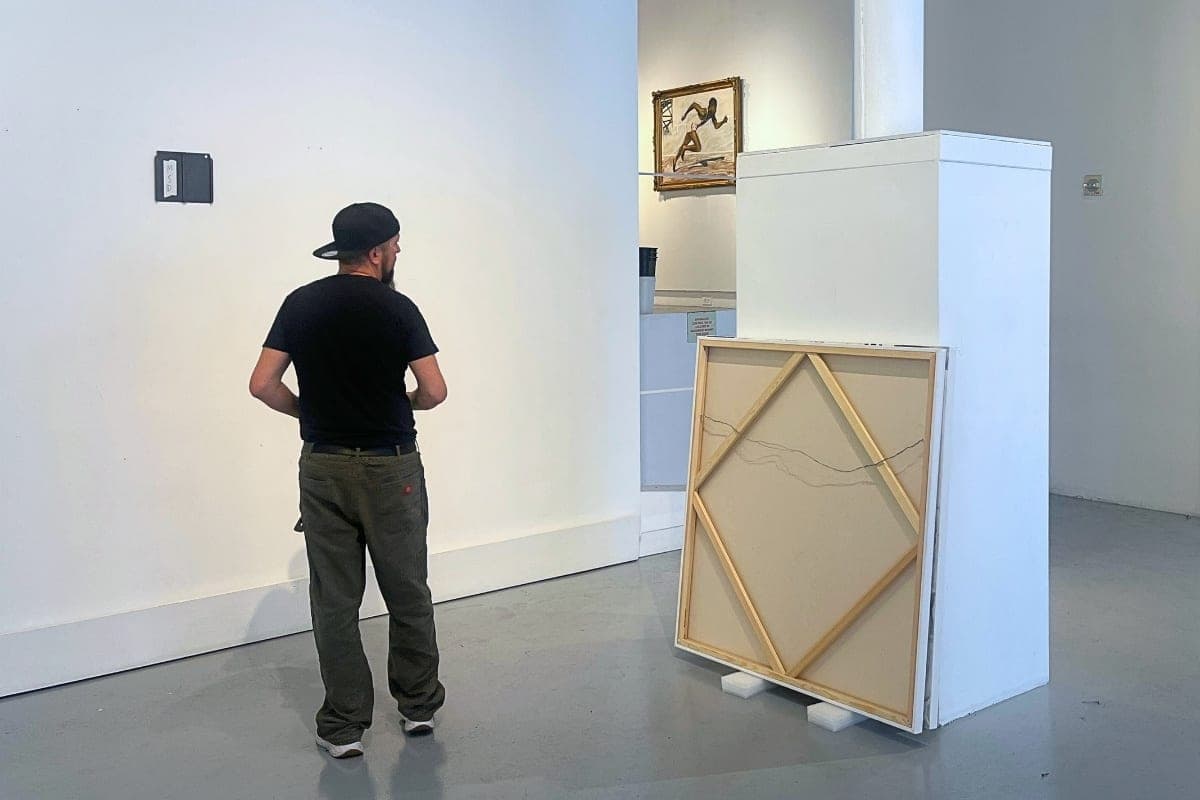
- Canvas and panel paintings. Protect the surface and corners, keep pressure off the front, and avoid wrapping materials that can stick to wet or fresh paint or varnish.
- Framed work behind glass. Glass is the biggest risk. Many artists ship framed work with acrylic glazing instead, or take special care to protect glass with a taped surface and rigid layers, since broken glass can ruin the work inside the frame.
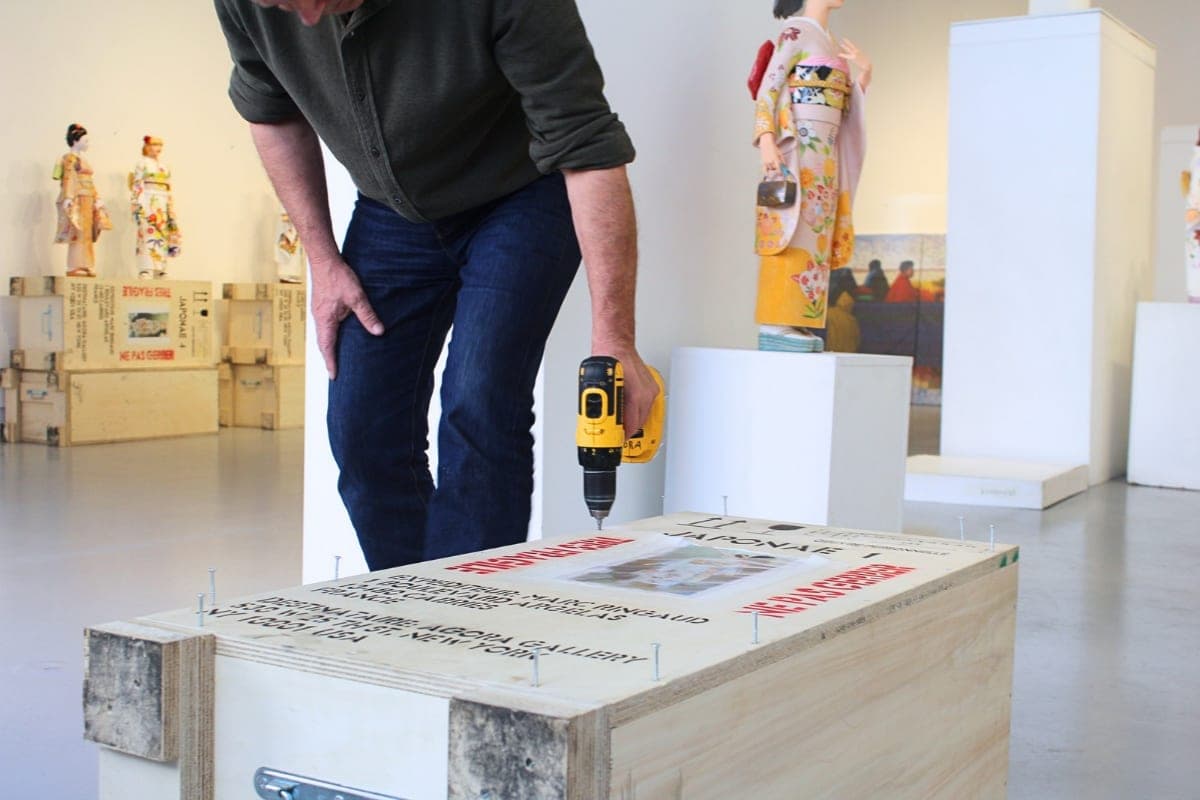
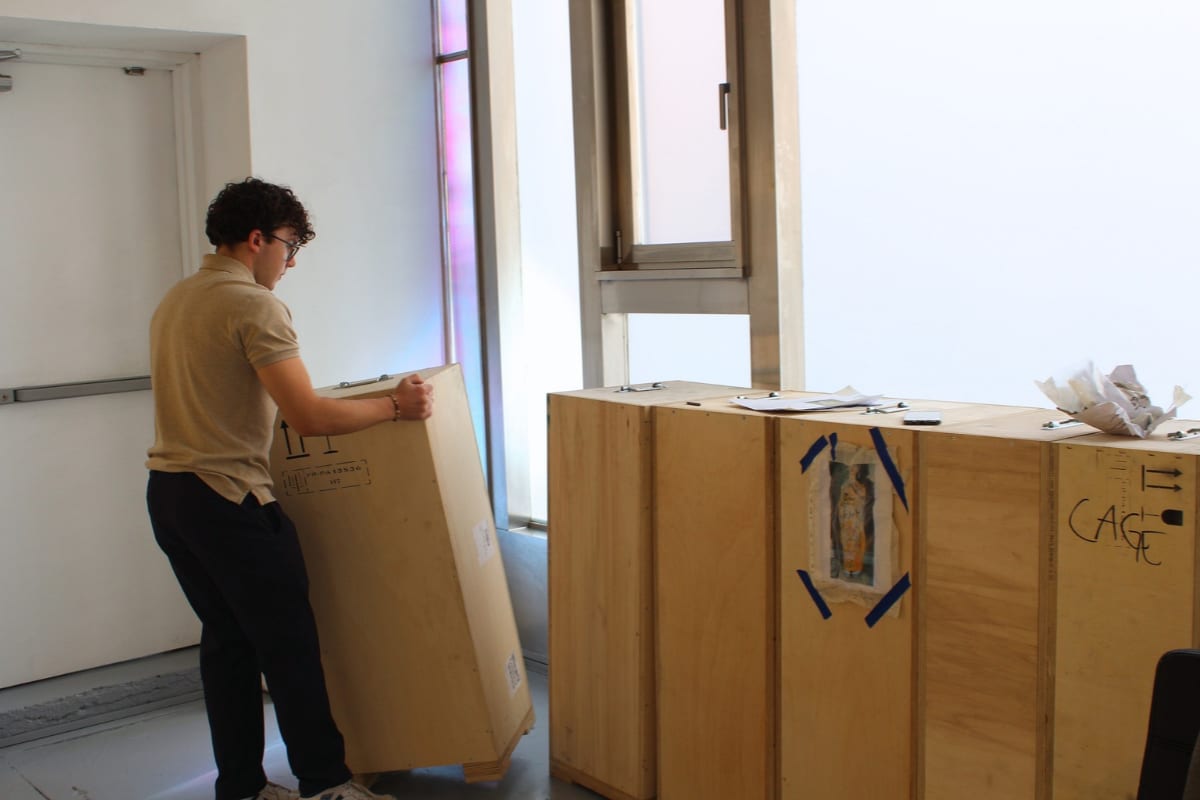
- Sculpture and three-dimensional work. Immobilize every part, wrap delicate protrusions individually, and use enough cushioning that the piece can't move. Larger or more fragile pieces may call for a custom crate or a specialized art shipper.
If you're unsure, it's worth asking a professional packer or an experienced colleague before sending something that can't be replaced.
Insurance Basics
Carriers typically include limited liability coverage by default, and it often doesn't match the real value of original artwork. Declared value options can increase protection, but they come with their own rules, exclusions, and claims requirements, so it pays to read the terms before relying on them.
A few principles help:
- Know what's covered and what isn't. Some policies treat artwork differently, and some exclude certain kinds of damage or require specific packing standards.
- Declare the true value. Under-declaring to save on the fee can leave you short if something goes wrong.
- Consider dedicated coverage for higher-value work. For significant pieces or regular shipments, specialized fine art insurance may be worth discussing with a broker.
- Ask about who is responsible for what. Whether the artist or the buyer carries the risk in transit should be clear before the package leaves your hands.
Insurance only helps if a claim can be made, and that depends heavily on documentation.
Document Everything Before It Leaves
If something is damaged, the claim will rest on what you can prove. Before every shipment:
- Photograph the work from several angles, including close-ups of the corners, edges, and surface.
- Photograph the packing process, including the materials used and how the work was secured in the box.
- Photograph the sealed package with its label and any tracking information.
- Save receipts, tracking numbers, and the declared value.
- Keep a written record of the sale, ideally including shipping terms, in the same simple sales documentation that protects both sides of a direct sale.
If damage does occur, tell the buyer to keep all packaging and take photos before moving anything. Carriers often want to inspect the outer box and the packing materials.

Setting Realistic Delivery Expectations For Gift Buyers
Many holiday buyers are shopping for someone else, which adds a deadline that has nothing to do with your production schedule. This is where communication matters as much as packing.
- Publish a clear order cutoff. Decide when the last reliable shipping date is for delivery before the holidays, build in a buffer for carrier delays, and say so on your website, social media, and in any message with a buyer.
- Don't promise exact delivery dates. Carriers can estimate, but they can't guarantee, especially in peak season. Offer a realistic window instead.
- Give tracking and update the buyer. A quick message when the package ships, and another if something changes, keeps people calm.
- Offer alternatives for late orders. A digital certificate, a photo of the piece, or a handwritten note can serve as a gift in hand while the work is on its way.
- Be upfront about international orders. Customs, duties, and longer transit times make holiday deadlines harder to hit, so it's worth being direct about timing. If your practice is moving toward exhibiting and selling internationally, it's useful to build these habits now.
Build Shipping Into Your Pricing And Policies
Shipping costs, packing materials, and insurance are real expenses, and they belong in your planning. Whether you include them in the price, list them separately, or offer free shipping as a seasonal perk is a choice, but it should be consistent. A clear, considered pricing structure works best when shipping isn't an afterthought that quietly eats your margin.
Offering free or included shipping can also be a more thoughtful way to make buying feel generous without cutting the price, which is one of the alternatives we explore in our piece on whether to run a holiday sale.
Plan Before The Rush Starts
The best time to prepare is before the season is in full swing. In the weeks ahead, it helps to:
- Order materials early, before supplies get scarce or expensive.
- Test your packing method on a spare piece or a dummy package.
- Check your inventory and where each piece is stored, using a simple system like the one in our guide to managing work that doesn't sell, so pieces can be found and packed quickly.
- Set your cutoff dates and publish them.
- Compare carriers and services for the kinds of work you ship most.
For artists who ship frequently or work with larger pieces, this is also where structured, service-based support can take real pressure off, since logistics are among the hardest things to manage alone at peak times.

From Safe Delivery To New Collectors
A work that arrives safely, with a note and clear communication, is often what turns a one-time buyer into a returning collector.
Explore AGI Fine Art's current open calls and put work you're proud to ship in front of curators and collectors looking for it.
Get the next article and open calls
A few times a year. Unsubscribe anytime.
Questions? Feedback? Thoughts on this article, or a topic you’d like us to cover?