Why Service-Based Representation Models Matter in Today’s Art Market
The contemporary art world is more dynamic, more competitive, and more global than ever before. As artists navigate this evolving landscape, service-based representation models have become an essential part of how galleries support creative careers in meaningful and sustainable ways.
A Changing Art Market Requires New Forms of Support
In the past, the traditional gallery model relied almost entirely on art sales. Representation was reserved for a small number of artists, and visibility depended heavily on being selected by a gatekeeper.
Today, the landscape is different:
- more artists are active than ever
- digital exposure changes how collectors discover new talent
- art fairs and hybrid spaces compete with traditional galleries
- marketing and communication skills now influence an artist’s reach
- collectors expect professional presentation and consistent visibility
In this environment, a service-based model is not a workaround; it’s a response to the real needs of today’s artists.
What “Service-Based Representation” Really Means
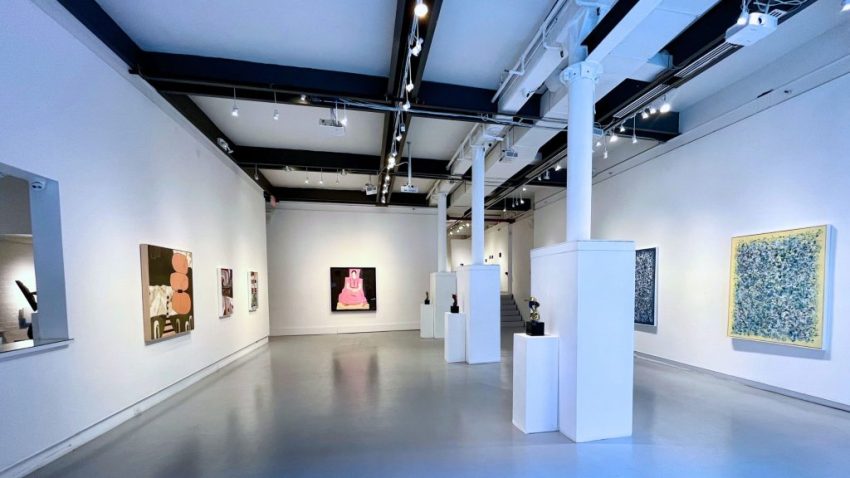
A service-based art agency model offers artists more than physical wall space.
Its core purpose is to provide professional services that strengthen visibility, presentation, and long-term growth.
These services often include:
- curated exhibition planning
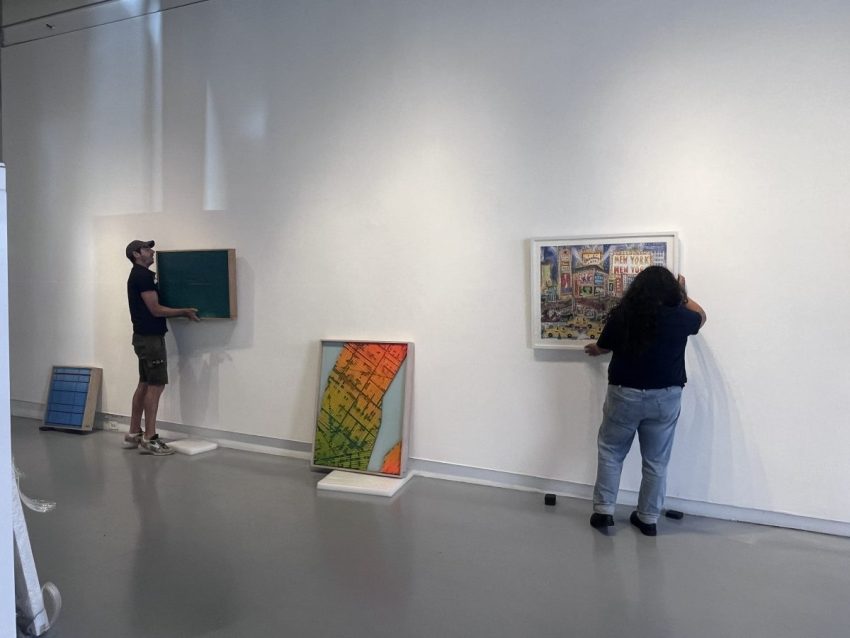
- trained installation and artwork handling
- marketing and communication support
- press releases and media outreach
- social media promotion
- newsletter visibility
- long-term online exposure
- portfolio and presentation guidance
- collector engagement and follow-up
This model recognizes that an exhibition alone is not enough: artists need a broader, coordinated support system to succeed in today’s market.
Why This Model Benefits Artists
1. It expands access to professional opportunities
Traditional galleries can only represent a tiny percentage of the artists who apply.
Service-based art agency models open the door to a larger and more diverse range of creators without compromising professionalism or quality.
2. It provides clarity, structure, and transparency
Services are clearly defined, fees are stated upfront, and expectations are aligned from the beginning.
Artists know exactly what they receive and how the agency supports them.
3. It reflects how the art world actually operates today
Art fairs, co-op galleries, PR agencies, and marketing firms all use fee-based structures.
A service-based agency simply integrates these components into one cohesive, curated program.
4. It helps artists build long-term visibility
Exhibiting in New York is important, but what happens after the exhibition matters just as much.
Ongoing online presence, editorial content, communication support, and collector engagement continue long after the show ends.
5. It strengthens an artist’s professional reputation
High-quality documentation, curated presentation, and clear communication elevate how collectors, curators, and institutions perceive an artist’s work.
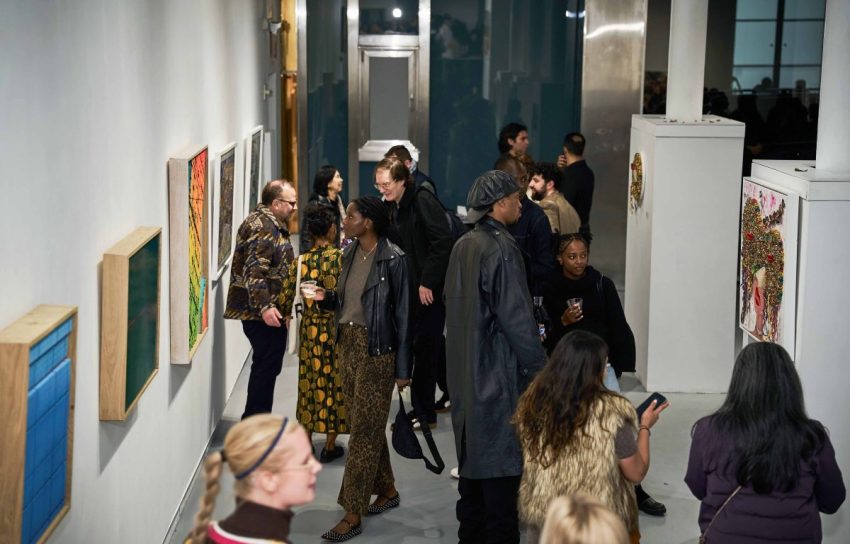
A Model Built Around Collaboration, Not Gatekeeping
Service-based art agency models operate on a collaborative foundation:
artists invest in professional services, and the art agency invests time, expertise, visibility, and resources.
Instead of waiting to be “chosen,” artists take an active role in shaping their trajectory, supported by a team of curators, consultants, writers, and marketers.
This approach aligns with the expectations of today’s creative professionals, who often work across multiple platforms, audiences, and markets.
Why Service-Based Models Are Often Misunderstood
Some misconceptions come from:
- outdated narratives about how art shows “should” work
- oversimplification of fee-based models (“if you pay, it’s vanity”)
- anonymous online discussions that do not reflect industry practices
- confusion between renting space and receiving professional services
- critics who overlook or minimize the value of marketing and support
In reality, the distinction lies in the quality, transparency, and scope of the services provided, not in the presence or absence of a fee.
A service-based gallery that delivers real, measurable value cannot be compared to models that provide little to no support beyond wall space.
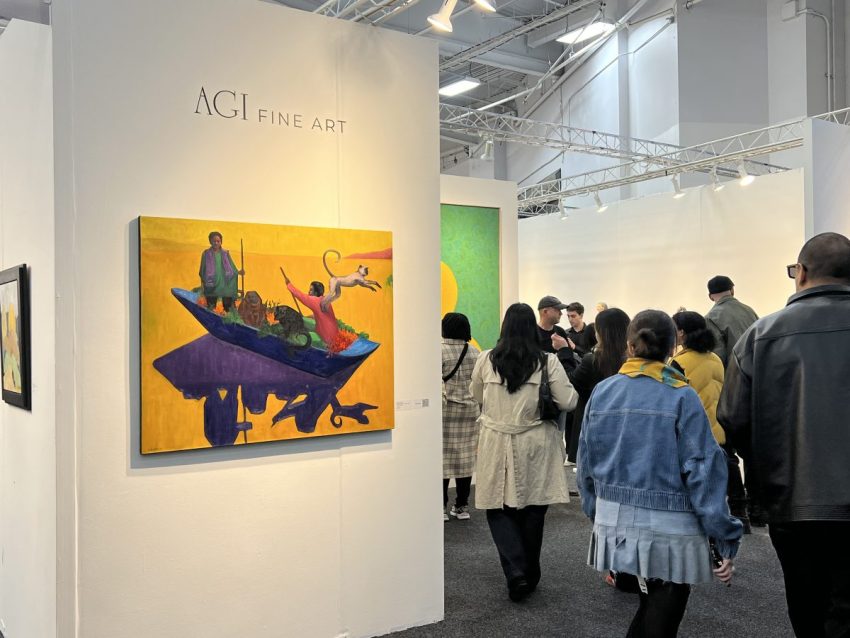
How AGI Fine Art Apply This Model
AGI Fine Art integrates professional services across every stage of the artist’s journey:
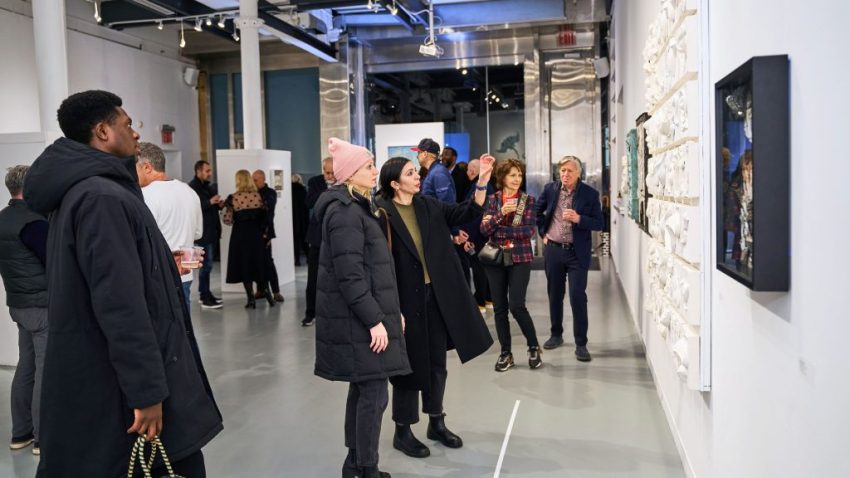
- curated exhibitions in Chelsea
- international art fairs partecipation
- trained installation
- collector engagement during and after the show
- visibility through a 21,000 + Instagram community
- thousands of newsletter subscribers
- editorial features and ongoing promotion
- support and communication beyond the exhibition
- possible pathways through NY Art Competitions
This multi-layered structure offers something that traditional representation alone cannot: sustained visibility, real support, and global reach.
A Model That Reflects Today’s Art World, Not Yesterday’s
The art market has evolved, and so have the expectations of artists and collectors.
Service-based representation models recognize that artists need:
- visibility
- professional presentation
- continuous support
- access to networks
- transparent and reliable structures
- strategic promotion
These needs cannot be met through occasional exhibitions alone.
A gallery that invests in artists beyond the physical show (and provides clear, comprehensive services) plays a vital role in contemporary artistic careers.
Want to Understand This Model More Deeply?
If you’d like to learn more about how AGI supports artists at every stage of their journey, feel free to reach out: our team is always available to answer questions and provide further information.
Get the next article and open calls
A few times a year. Unsubscribe anytime.
Questions? Feedback? Thoughts on this article, or a topic you’d like us to cover?