Pricing Consistency Across Platforms: Studio, Fairs, and Online
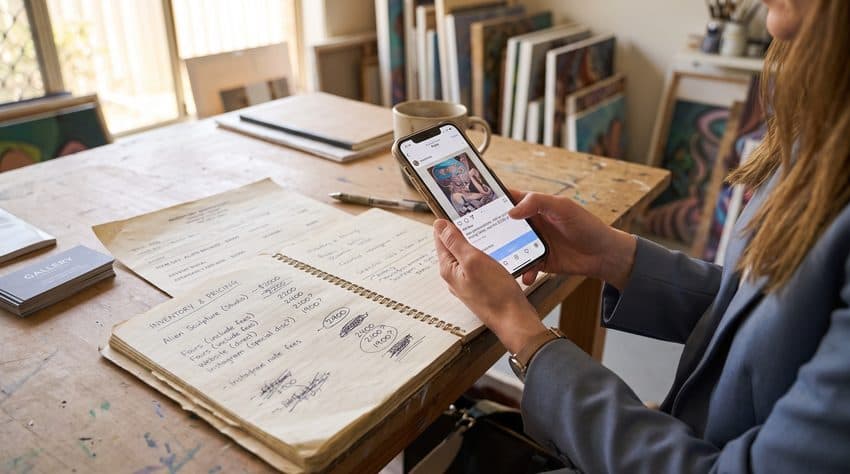

A collector meets a piece at a fair and notes the price. Months later, they find the same artist’s work on Instagram, or on the artist’s own website, and the number is different: sometimes higher, sometimes lower, rarely explained. Nothing about the piece has changed. What’s changed is the channel it was seen through, and to the collector, that’s not a small detail. It’s a signal.
Inconsistent pricing across studio visits, fairs, social media, and an artist’s own website is one of the most common, most avoidable problems in an otherwise professional practice. It rarely comes from dishonesty; usually it’s just the natural result of pricing decisions made separately, channel by channel, without a single underlying structure holding them together. The fix isn’t complicated, but it does require treating pricing as a system rather than a series of one-off decisions.
Why The Same Price Everywhere Actually Matters
Serious collectors, even casual ones, are more price-aware than most artists assume. Many will quietly check a few channels before buying (the artist’s website, their Instagram, sometimes even a past fair listing) the same way a buyer might cross-reference prices before any other significant purchase. When the numbers don’t match, the most common conclusion isn’t “this artist offers different deals in different places.” It’s “this artist doesn’t have a clear sense of what the work is worth”, or worse, “the price is negotiable, so the listed number isn’t real.”
That second read is corrosive. Once a collector believes pricing is soft or arbitrary, every future number gets treated as a starting offer rather than a fair value, and negotiation becomes the default expectation rather than the exception. Consistency is what keeps a stated price meaning something.
Where The Inconsistency Actually Comes From
Price drift rarely happens on purpose. It tends to creep in through a few very ordinary habits:
- Round numbers set on the spot. A fair conversation moves fast, and it’s easy to quote a slightly different number in the moment than what’s listed on the website, just because it felt natural in that specific exchange.
- Outdated listings. A pricing structure gets updated for new work, but older listings on a website or social platform never get revisited, leaving stale numbers sitting next to current ones.
- Channel-specific discounting. A studio visit discount, a fair-only price, or a “DM me for pricing” habit on Instagram, each introduced for a reasonable-seeming reason, that quietly stack into a patchwork of different numbers for the same body of work.
- Currency and fee confusion. A price that’s meant to include a gallery commission on one platform, and doesn’t on another, without that distinction ever being made explicit to the collector.
None of these come from bad intentions. They come from pricing being handled reactively, channel by channel, instead of from one consistent structure applied everywhere.
Build One Price List, Then Apply It Everywhere
The most reliable fix is also the simplest: maintain a single, current master price list for every active piece, and treat every channel (studio, fair booth, website, social media) as a window onto that same list, not a separate pricing decision.

A workable version of this doesn’t need special software. A simple spreadsheet with piece name, dimensions, medium, and current price, updated the moment anything changes, is enough, as long as every other channel is updated from that same source, rather than priced independently at the moment.
This single-source approach also makes it far easier to plan deliberate price increases over time, rather than letting them happen unevenly across channels. A thoughtful, career-stage-appropriate pricing strategy only holds together if every channel reflects it at the same time.
Some sales contexts make consistent pricing genuinely more complicated than others, and it helps to have a clear policy for each rather than deciding in the moment.
Handling The Channels That Make Consistency Harder
- Fairs and in-person sales. It’s tempting to quote a slightly different number in a live conversation, especially under any pressure to close a sale on the spot. Decide in advance, before the fair, whether a standard modest discount for immediate in-person payment is part of the stated policy, and if so, apply it consistently and transparently, rather than negotiating case by case.
- Instagram and social media. “DM for pricing” feels casual and personal, but it also removes any anchor a browsing collector has, and it makes inconsistency invisible until two people compare notes. Listing a clear price, or at least a clear price range, publicly protects consistency far better than handling every inquiry privately, and it fits naturally into a broader, well-documented online presence that collectors are increasingly using to evaluate an artist before ever reaching out.
- Galleries and representation. If a gallery or representative sells work at a different, commission-inclusive price than the artist’s own direct channels, that difference needs to be deliberate and disclosed, not an accident of two systems that were never reconciled. This is exactly the kind of coordination that a structured representation relationship is built to manage properly.
- International sales. Currency conversion, shipping, and import considerations can all justify a genuinely different final number for an international buyer, but the underlying base price for the piece should still be the same, with the difference clearly explained rather than left to look like inconsistency. This becomes especially relevant as a practice starts exhibiting and selling internationally.
When A Price Should Change, And How To Do It Cleanly
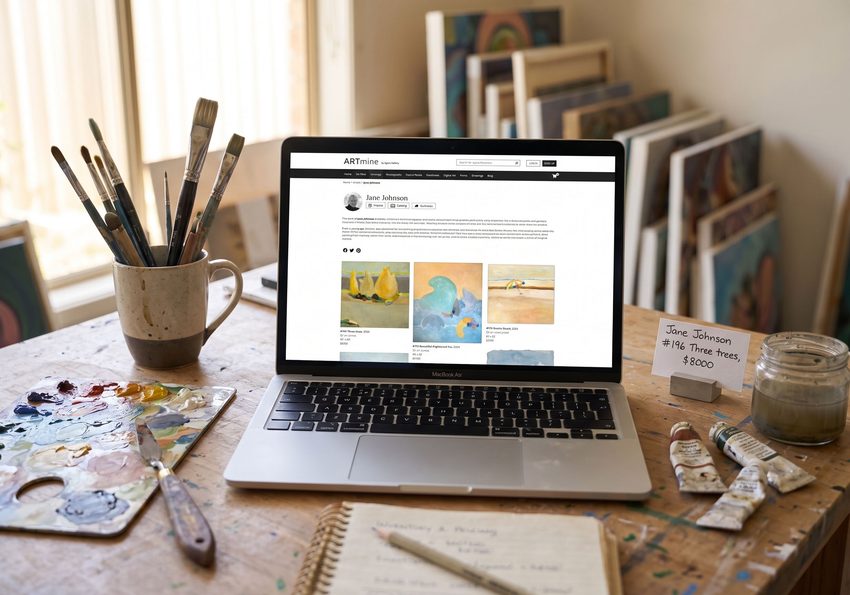
Consistency doesn’t mean prices are frozen forever. It means changes happen deliberately and everywhere at once, rather than drifting unevenly across channels. A clean price increase (tied to a body of work reaching a new milestone, a show, or a natural point in the practice’s development) updates the master list first, then every channel pulls from that same updated source on the same day.
What erodes trust isn’t a price going up. It’s a price that’s different depending on where or when someone happens to be looking, with no visible logic connecting the two numbers.
From Consistent Pricing To Confident Collectors
A clear, consistent pricing structure is part of the professional foundation that helps collectors buy with confidence, and it’s exactly the kind of groundwork that makes an artist ready for bigger stages.
Explore AGI Fine Art’s current open calls to bring that same clarity and consistency to a wider audience of curators and collectors.
Get the next article and open calls
A few times a year. Unsubscribe anytime.
Questions? Feedback? Thoughts on this article, or a topic you’d like us to cover?