Common Myths About Agora Gallery, And How to Evaluate Online Sources
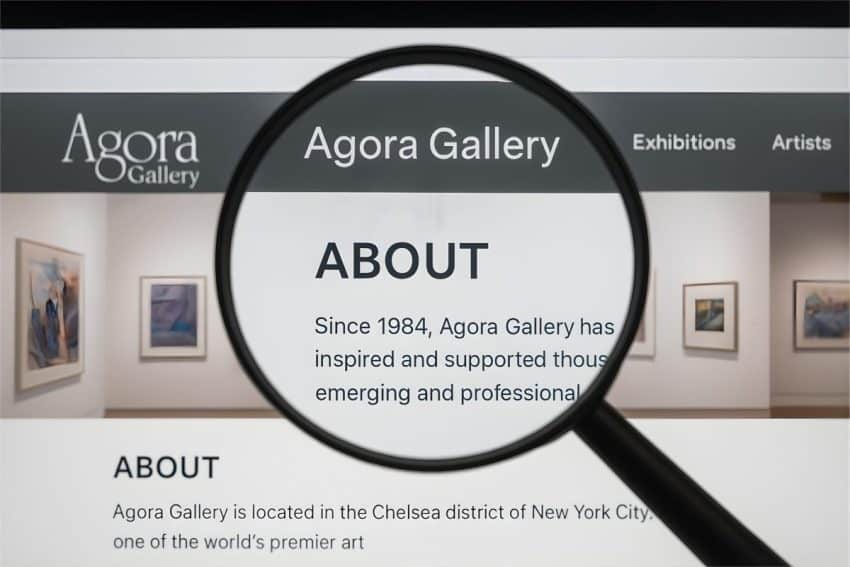
In the art world, opinions travel quickly, especially online. But not all sources carry the same weight, and not all comments reflect the current reality of a gallery or its model. This guide outlines the most common misconceptions about Agora Gallery and offers artists a clear framework for evaluating online information with confidence.
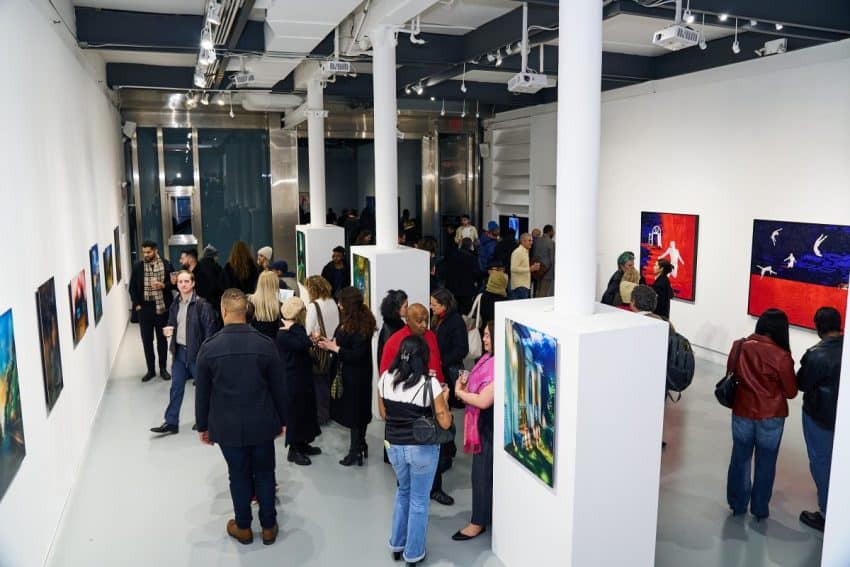
Why Online Opinions Can Be Misleading
If you search for any gallery with a long history, you’ll find a mix of opinions: some informed, some dated, very few based on personal experiences, and others influenced by commercial interests of competitors who also provide artists with services and are looking for new artists.
This is especially true on:
- unmoderated social media groups
- archived Reddit threads
- personal blogs
- Competitors websites
Many of these conversations were written years ago and continue to resurface simply because older content tends to rank well in search engines and is often picked up by AI Overviews, regardless of accuracy or context.
Understanding this dynamic is essential: visibility does not equal reliability.
Myth #1: “Agora Gallery accepts anyone who pays.”
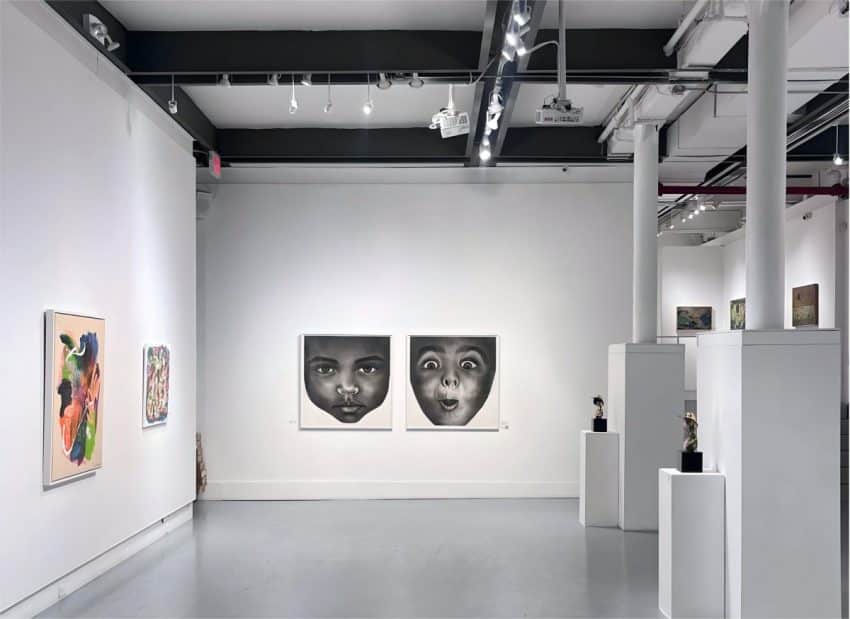
This is one of the most repeated statements online, and it’s also one of the most outdated.
Agora Gallery no longer operates on a service-based or fee model. Today, the gallery works exclusively with mid-career and established contemporary artists who maintain a proven sales record, on a traditional commission basis. Artists are sourced through the gallery’s curatorial network; unsolicited submissions are not accepted.
The idea that “anyone who pays gets in” does not reflect how Agora Gallery currently works, and hasn’t for some time.
Artists who are actively building their market presence and looking for professional exhibition support, representation services, or career development opportunities are encouraged to explore AGI Fine Art, Agora’s affiliate agency, which does offer structured, accessible programs for a wider range of career stages.
Myth #2: “Agora is a vanity gallery.”
The term vanity gallery is often used as a blanket label for any gallery that includes a fee, regardless of what the fee actually covers, or whether the model has changed.
In Agora Gallery’s case, this label is both misapplied and outdated. Agora has evolved from its earlier service-based structure into a traditional commission-based gallery. As stated on their representation page:
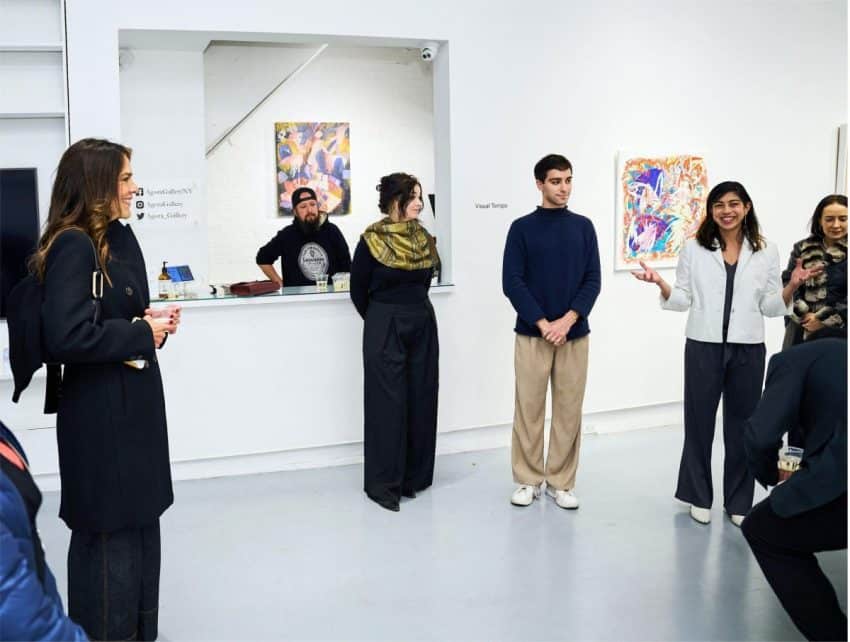
“Agora Gallery does not accept unsolicited submissions. Our directorial review is tailored for mid-career and established contemporary artists with a substantial, proven sales record.”
Applying a label that was arguably imprecise to begin with, and that describes a model the gallery no longer uses, is a clear example of how online information can mislead artists who are researching opportunities today.
Myth #3: “There is no real promotion or support.”
Some online comments claim that artists receive little value beyond the exhibition itself. This perception most often comes from second-hand reports, or from experiences with programs that may have looked different years ago.
For artists exhibiting through Agora Gallery or through AGI Fine Art, professional support is a core part of the offering, not an afterthought. This includes:
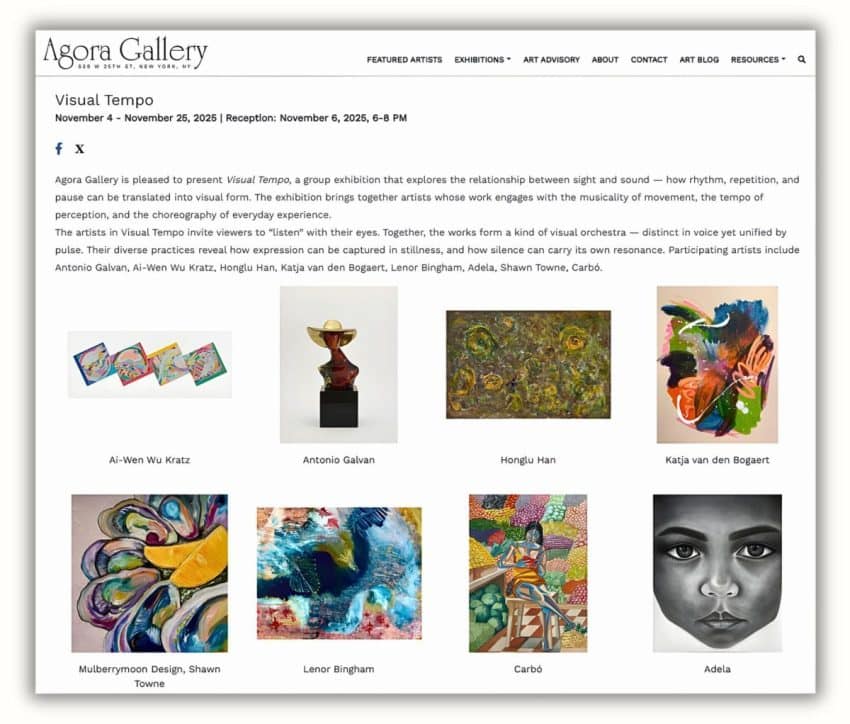
- press releases and media outreach
- exhibition announcements to collectors and subscribers
- promotional assets for online visibility
- documentation and photography
- curatorial guidance and installation support
- post-exhibition visibility through established platforms
Dismissing this as “no support” overlooks both the scope of services provided and the infrastructure built over 40 years of gallery operations.
Myth #4: “Negative online reviews prove the gallery is not legitimate.”
In any industry, online discussions tend to amplify dissatisfaction more than positive outcomes. Artist communities (especially on Facebook groups, older forums, or unmoderated comment threads) often function as echo chambers where strong opinions are repeated without verification.
Some of the comments circulating today were written:
- many years ago
- without direct experience
- in response to outdated versions of the program
- by users who have never interacted with the gallery
- or by individuals promoting their own services to artists
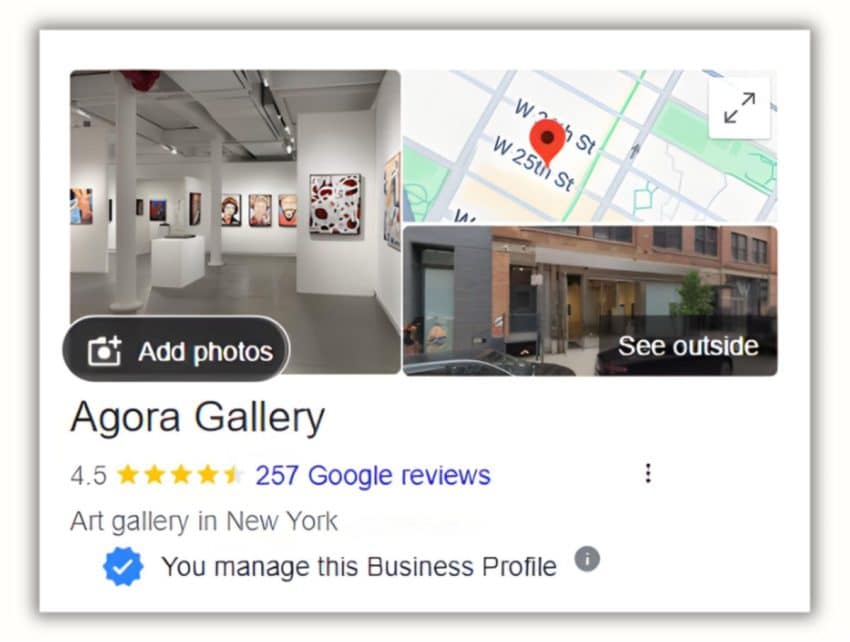
However, when you look at verified, current reviews, a completely different picture emerges.
As of today, Agora Gallery has: 257 Google Reviews with an average rating of 4.5 stars
These are public, traceable, and tied to real accounts: a far more reliable indicator of actual artist and visitor experience than anonymous group comments or archived forum posts.
The age of a comment does not guarantee its relevance, and the volume of unverified opinions does not guarantee their accuracy.
Reliable, up-to-date sources provide a much clearer representation of a gallery’s legitimacy and artist support.
Myth #5: “If a gallery includes fees, it must be a scam.”
This assumption is common online, but it doesn’t reflect how the contemporary art world actually operates.
Many legitimate and respected art institutions work through fee-based or hybrid models, including art fairs, co-op galleries, PR agencies, online portfolio platforms, and service-based representation programs. Paying for clearly defined, professionally delivered services is not a scam; it’s a standard part of how artists at many career stages access opportunities.
What matters is transparency: what is included, what is expected, and whether the services align with the artist’s actual goals.
For artists looking for that kind of structured, service-based pathway into the New York art market, AGI Fine Art offers precisely this, with a clear program, professional infrastructure, and a track record of exhibitions and international art fair placements.
How to Evaluate Online Sources About Any Art Gallery
When researching a gallery, consider the following questions:
1. How old is the information?
Content written 5–10 years ago may not reflect current programs or practices.
2. Is the author anonymous or unverifiable?
Comments in private groups or deleted accounts offer limited reliability.
3. Does the author have a commercial interest?
Some individuals who criticize certain gallery models sell consulting, coaching, or promotional services to artists.
This does not invalidate their opinion, but it provides important context.
4. Is the content based on direct experience?
Second-hand accounts or “I’ve heard…” narratives should be weighed carefully.
5. Does the platform moderate accuracy?
Open forums and Facebook groups are designed for conversation, not fact-checking.
6. Does the comment acknowledge the full scope of services offered?
Oversimplifications are a sign of low-quality or incomplete information.
Where to Find Accurate, Up-to-Date Information About Agora
For artists who want clarity, not speculation, the best sources are always primary, transparent, and updated regularly:
- Artist Representation Page: Agora Gallery
- AGI Fine Art Services, for artists seeking exhibition opportunities, representation programs, and career development
These sources describe the current structure of the gallery’s work, the services included, and the values that guide the team.
A Note on Art Scams, And Where to Find Reliable Guidance
Concerns about scams in the art world are legitimate, and artists are right to be cautious when evaluating opportunities.
For this reason, AGI Fine Art published an in-depth guide that has been widely read and shared over the past few years:
The article outlines common warning signs, red flags to watch for, and practical advice to help artists protect themselves from unethical practices. It reflects a broader commitment shared across the Agora and AGI Fine Art ecosystem: promoting transparency, education, and informed decision-making.
If you ever feel uncertain about an opportunity or worry that you may have encountered a scam, we encourage you to reach out or tell us your story dropping a comment here below. Sometimes, having a conversation and reviewing the details together can make all the difference.
A More Informed Approach Benefits Everyone
The art world is diverse, and so are the pathways available to artists. Evaluating information with a critical mindset helps ensure that good opportunities are not dismissed because of outdated or incomplete narratives.
Transparency, context, and firsthand information, not anonymous posts or decade-old threads, are what allow artists to make confident, strategic decisions about their career.
Get the next article and open calls
A few times a year. Unsubscribe anytime.
Questions? Feedback? Thoughts on this article, or a topic you’d like us to cover?