How to Recognize an Art Scam
Learn how to recognize the most common art scams and get the best tips on how to avoid them, helping you protect your work and livelihood.
“I stumbled upon your work online and found it quite impressive. I want to commission four pieces as a surprise gift for my wife’s upcoming wedding anniversary. I’m prepared to pay $5000 for your artwork.”
When we receive a message like this from a stranger, our first reaction is often a boost to our ego. While there is a chance that it could be a legitimate offer, there’s also an equal chance that it is fake, sent either by an individual with ulterior motives or a spambot. The trouble with scams is that they are based on something you want to believe. Naturally, you are inclined to respond positively to someone praising your work. So, by the time you’ve exchanged a few messages, you feel as if you ‘know’ the person you’re communicating with.
Today, the art community has grown beyond traditional galleries and exhibitions, flourishing online through social media, personal websites, and online marketplaces. While this expansion has democratized the art world, it has also opened up new avenues for scammers.
The saying “if it looks too good to be true, it usually is” is a wise guideline, but for artists, it’s not foolproof. Sometimes, a genuine stroke of luck occurs, like when a collector discovers your art at an exhibition or art fair and is immediately captivated. It’s crucial not to dismiss authentic expressions of interest amidst caution against potential scams.
So, what can you do to protect yourself?
How to Recognize an Art Scam?
In the past, scam emails were easily recognizable due to their vague content and incorrect details. Scammers typically have a script and send the same email to thousands of artists, leading to obvious mistakes, such as addressing a photographer about a painting. Nowadays, scammers have become slightly more sophisticated. They often personalize their messages with accurate information about your website or artwork. But don’t let this fool you!
Here are key clues to identify an art scam:
- Offers That Are Too Good to Be True: Scammers may offer unrealistically generous commissions or payments upfront without discussing specific details of the artwork or transaction.
- Urgency and Pressure: Scammers often create a sense of urgency, pressuring you to act quickly without time for proper verification. They may use words like “Important” or “ATTN” to catch your attention.
- Unsolicited Requests for Personal Information: Be cautious of requests for sensitive information such as bank account numbers, social security numbers, or passwords.
- Payment Issues: Scammers may insist on irregular payment methods or unconventional payment platforms.
- Poor and Inconsistent Communication: Scammers may exhibit poor grammar or spelling, provide inconsistent information, or be vague about their identity, location, or how they found you and your art. They often use made-up names, and sometimes, their chosen name and email address are not the same.
- Unrealistic Shipping Arrangements: Scammers may insist on unusual shipping arrangements, ask you to pay upfront shipping costs, or suggest using unfamiliar shipping services.
- Phishing Attempts: Be vigilant against phishing emails or messages that trick you into clicking on malicious links. If the email ended up in your spam folder, there’s likely a reason.
Common Types of Art Scams
Although the most common intention behind an art scam is money, there are other motives, such as taking your personal information and artwork images, that a scammer can take advantage of. Here is a list of the types of scams that have come to our attention and practical tips to avoid them.
Online Payment Scams
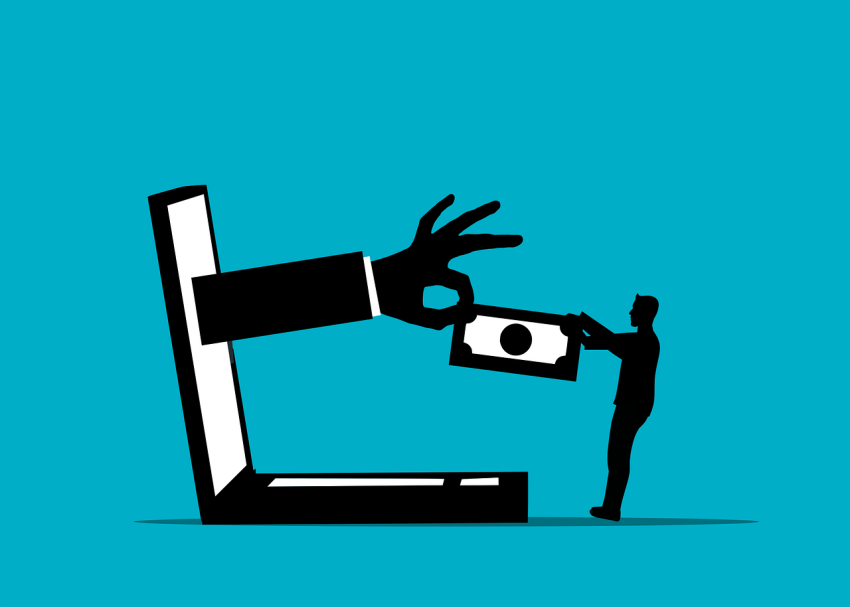
One of the most pervasive scams artists encounter is online payment fraud. Scammers pose as potential buyers and send fake proof of payment from PayPal or direct bank transfers. Excited by an apparent sale, artists may ship their artwork before confirming that the “buyer” never transferred the funds.
These scammers may also claim that their bank requires a payment from the artist’s end to process the transfer, promising that the amount will be refunded and sent with the artwork’s payment. This tactic aims to deceive artists into sending money under the false promise of receiving a larger payment later.\
Tip: Always verify the receipt of actual funds in your bank account or payment platform before shipping any artwork. Genuine buyers will understand and comply with this standard procedure.
Shipping Fee Scams
Scammers may ask you to transfer the shipping cost to them before they can transact the total amount. They may even ask you to ship the artwork before making any payment.
Never give in to such requests. Legitimate buyers know proper transaction procedures and will not make unreasonable requests like this.
Tip: While artists may handle tasks like packaging, selecting a reliable carrier, and preparing documentation for shipping, it’s standard practice for the buyer to cover these costs. Be cautious of anyone who insists you pay the shipping fees yourself.
Overpayment Scams
What happens is that the “buyer” overpays and asks you to send the extra amount to their shipping company using the details they have sent you. You transfer the money–from your bank account–only to discover a week or two later that the cashier’s check you had received is not genuine.
Most banks are willing to release funds from deposited checks before confirming their authenticity, especially cashier’s checks, which can take time to clear fully. If the check is later found to be fake, the bank will reverse the transaction, leaving you responsible for any negative balance if you have already withdrawn or sent money to the scammer.
It can take up to three weeks for a cashier’s check to clear, which the scammer is betting will be long enough for them to persuade you to send them the money they “overpaid.”
Tip: Always wait for the payment to fully clear before shipping the artwork and making refunds or additional payments based on overpayments.
Phishing Scams

Artists need places to showcase their work, so you should always search for options and opportunities. However, when you receive a random invite for a guaranteed spot to participate in an art fair or a group exhibition, it’s crucial to ensure its legitimacy.
Before accepting any offer, make sure to do a thorough research about the organization. Your checklist should include the following:
- Disregard emails from private accounts like Yahoo or Gmail; professional companies use their domain names.
- Conduct a WHOIS search to check the domain registration; hidden ownership and lack of clear contact information are warning signs.
- Make sure the company has a physical address and a contact person.
- Search for the contact person’s name and verify their legitimacy.
- Search for other reviews from other users.
Tip: Participation in major art fairs usually costs thousands of dollars and involves a formal application process. If someone offers you a spot for a very low fee and immediately accepts you without a thorough review, it should raise a red flag!
NFT Scams
With the advent of blockchain technology, NFTs (Non-Fungible Tokens) have revolutionized the art market, offering artists new ways to monetize their work. However, the NFT space has also attracted scammers looking to exploit artists and collectors.
A common NFT scam involves “buyers” approaching artists to mint their artwork as NFTs. These scammers often direct artists to fake marketplaces or request personal information and payments for minting services. Once the artist complies, the scammer disappears, leaving the artist with potential financial loss and compromised personal information.
Tip: If you’re all for NFTs and have done your due diligence and research, go for it! But remember to only mint NFTs on reputable platforms.
Artwork Reproduction Scams and Identity Theft
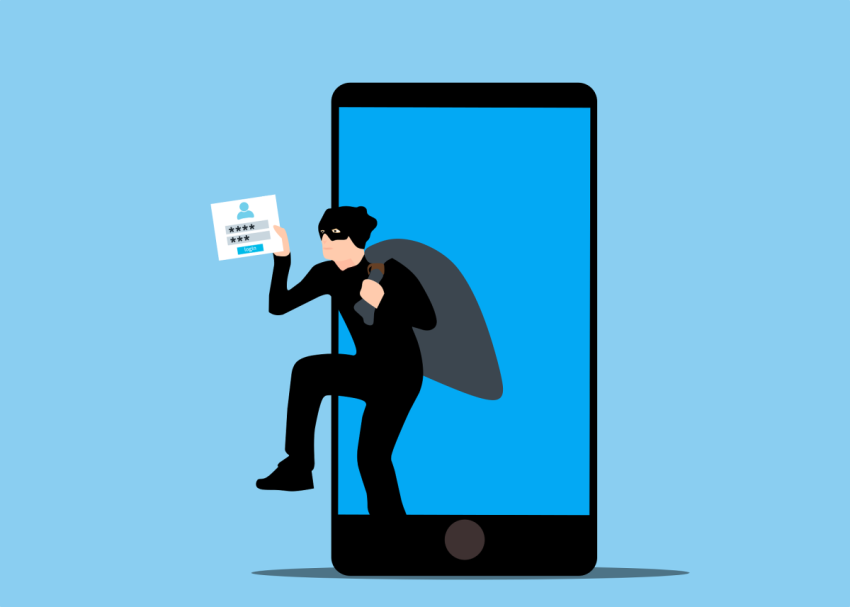
Scammers often replicate an artist’s work and sell it as originals through unauthorized channels without the artist’s consent or compensation. They may also create fake profiles or websites using an artist’s name and portfolio to deceive buyers into paying for non-existent artwork.
Artwork reproduction scams not only harm artists financially but can also severely damage their reputations. Buyers who unknowingly purchase counterfeit artwork may associate the poor quality or fraudulent nature of the replicas with the artist’s name, leading to a loss of trust and credibility in the art community.
Tip: Copyright your artwork and monitor its use online. Consider including a certificate of authenticity for each artwork to differentiate authentic pieces from unauthorized copies.
How to Avoid Art Scams?
Art scams are becoming increasingly sophisticated by the day, and it is very important for you as an artist to protect your art. Make a rule of how you do business, and if you’re ever asked to make an exception, consider whether it seems like a reasonable risk to take (if you know the buyer personally, for instance, it might be a sensible decision).
If you are unsure of whether an offer is legitimate or not, being represented by a gallery can also be beneficial. For one thing, you can rely on the gallery staff, who may have had more experience with art scam attempts than you have had, to make sure that everything is as it should be and protect you as necessary. To learn more about galleries and how they work, read the 8 Benefits Of Gallery Representation.
Want to give your art more time and leave the marketing and promotional hassles to someone else? Agora Gallery’s representation process is transparent and starts with our dedicated page. As an artists’ agency, we take pride in the diverse group of international artists we represent. For more information, please reach out to us at info@agora-gallery.com.
Lastly, always trust your instincts, verify transactions and communications, and prioritize secure methods of payment and interaction. In doing so, you can focus on your creativity and thrive in a safe and supportive art community.
Get the next article and open calls
A few times a year. Unsubscribe anytime.
Questions? Feedback? Thoughts on this article, or a topic you’d like us to cover?