Why Gallery Representation Still Matters in 2025
For decades, artists have relied on established galleries to help sell their work, connect with collectors, and build their reputations. While today’s creative landscape offers more opportunities than ever (thanks to social media, online marketplaces, and direct-to-collector sales) the role of a professional gallery is still highly relevant. According to the 2024 Art Basel–UBS Art Market Report, an estimated 60% of the global art market continues to flow through commercial galleries, underlining the central role they play in connecting artists with buyers and shaping careers.
Self-representation can be rewarding, especially for artists who enjoy managing every aspect of their careers. Yet, for many emerging and mid-career artists, being represented by a gallery remains one of the most effective ways to grow visibility, credibility, and sales. Below, we explore eight reasons why gallery representation continues to be a strategic choice in 2025.
1. Access to an Established Clientele
One of the greatest advantages of being represented by a respected gallery is gaining instant access to a loyal, well-established collector base. Building such a network independently can take years, but galleries have nurtured these relationships over decades. They know which collectors will respond to certain styles (whether it’s abstract painting, figurative sculpture, or experimental mixed media) and ensure that the right people see your work.
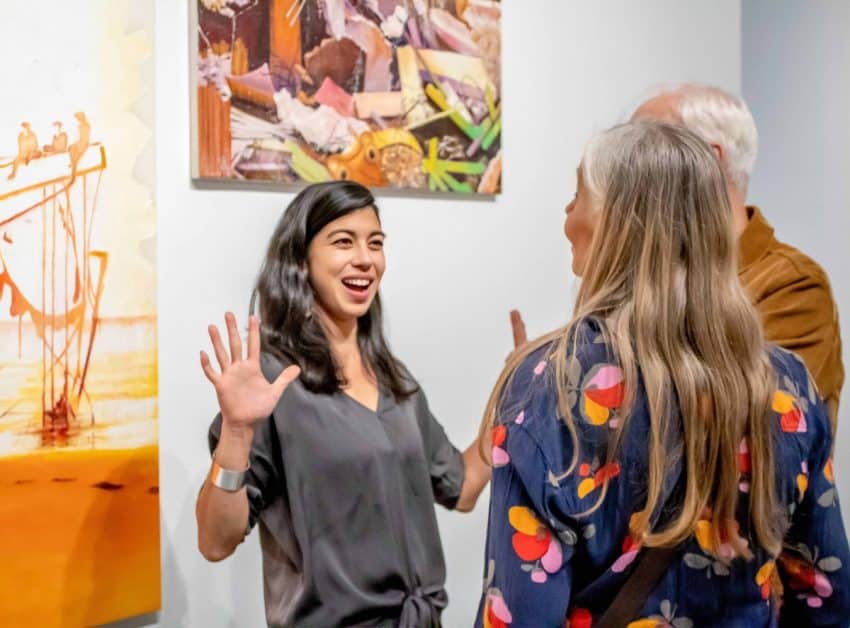
Collectors often trust galleries as curators of quality, meaning they will turn to them first when seeking new acquisitions. For busy professionals or emerging art investors, meeting with a gallery director is far more efficient than searching the market alone. This built-in trust dramatically shortens the time it takes for an artist’s work to be noticed and purchased.
One major advantage of working with AGI Fine Art is access to a qualified network of collectors, advisors, and curators, amplified when exhibitions are hosted at partner venues such as Agora Gallery in Chelsea. This dual approach (agency + blue-chip location) helps the right buyers see your work in person and online, accelerating recognition without years of solo outreach.
2. More Time to Create
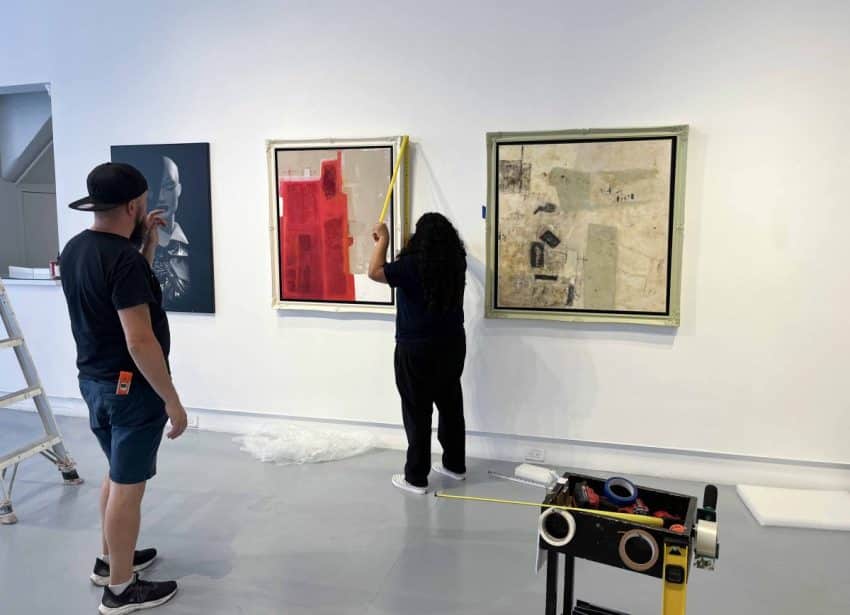
Independent artists juggle multiple roles: creator, marketer, salesperson, and administrator. When you have gallery representation, the promotional and sales responsibilities shift to an experienced team, freeing up your time for studio work. Galleries handle everything from exhibition logistics to marketing campaigns, allowing you to focus on refining your craft.
In a competitive art world, consistency and quality of production are essential. By removing the burden of constant self-promotion, galleries give artists the mental space and time to innovate creatively.
3. Increased Perceived Value of Your Work
Representation by a reputable gallery can instantly elevate the perceived value of your art. Simply having a respected gallery’s name attached to your work signals to buyers that it has been vetted, curated, and deemed market-worthy. This association often allows your pieces to sell at higher prices and more quickly than they would independently.
Galleries also provide guidance on pricing strategies, ensuring your work is positioned appropriately within the market. This professional insight can help you avoid underpricing or overpricing, both of which can harm your career in the long term.
4. Financial Advantages Despite Commissions
One common hesitation about gallery representation is the commission fee. While it’s true that galleries take a percentage of each sale, this cost is often offset by the higher prices they can command due to their network, reputation, and marketing reach.
Rather than viewing the commission as a loss, it’s more accurate to see it as an investment in professional salesmanship, market positioning, and exposure: services that often generate greater overall income for the artist.
5. Publicity and Marketing Support
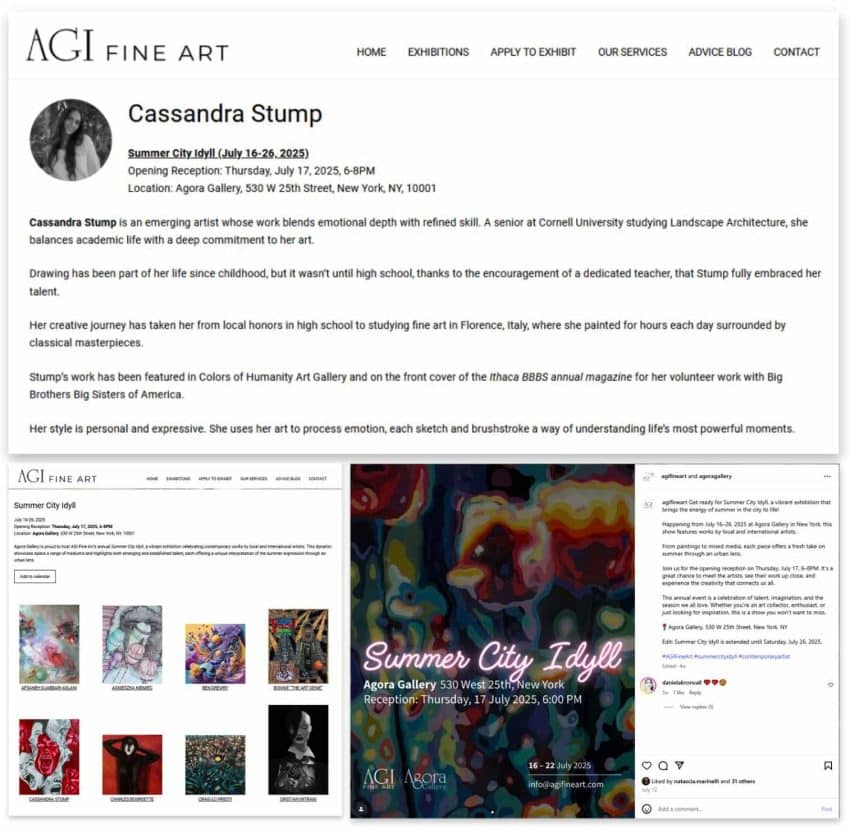
Galleries actively promote both their artists and their exhibitions through press releases, advertising, social media, newsletters, and events. This level of professional publicity is difficult for an independent artist to replicate, especially with the same level of reach and credibility.
At AGI Fine Art, for example, artist promotion is an integral part of our mission. Our team of writers, designers, and marketers works to craft compelling artist profiles, manage digital representation, and secure media coverage for our exhibitions. This visibility can significantly expand your audience and attract both collectors and curators.
6. Opportunities Through Exhibitions and Art Fairs
Gallery representation often leads to opportunities to participate in high-profile exhibitions, art fairs, and biennales: events that are difficult for independent artists to access on their own. Being part of a gallery’s roster means you can benefit from their industry connections and invitations to prestigious events.
7. Endorsement and Credibility
The art market is competitive, and a gallery’s endorsement acts as a powerful vote of confidence. Association with a respected gallery can open doors to invitations, collaborations, and further exhibitions. Many artists notice an immediate increase in opportunities once they sign with a gallery.
This credibility also extends to future negotiations (whether with collectors, institutions, or curators) helping you secure better terms and more prominent placements.
8. Networking and Community
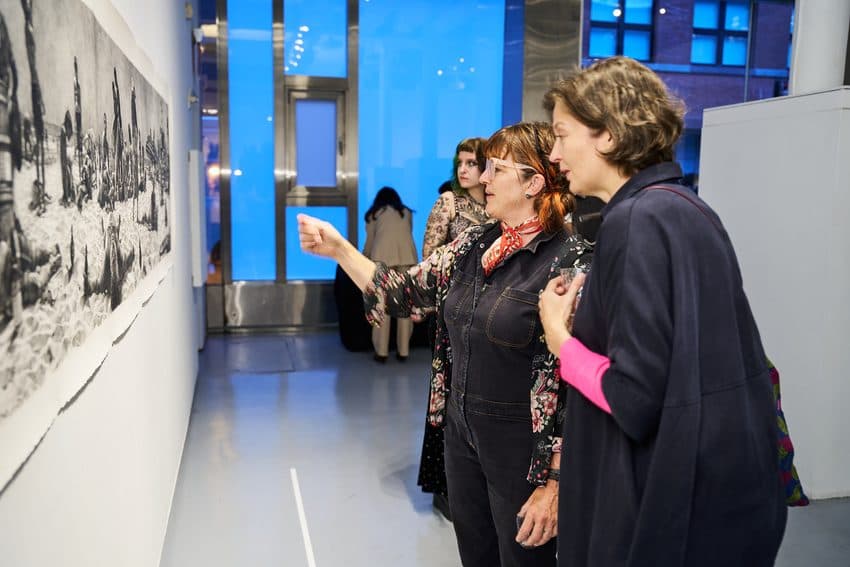
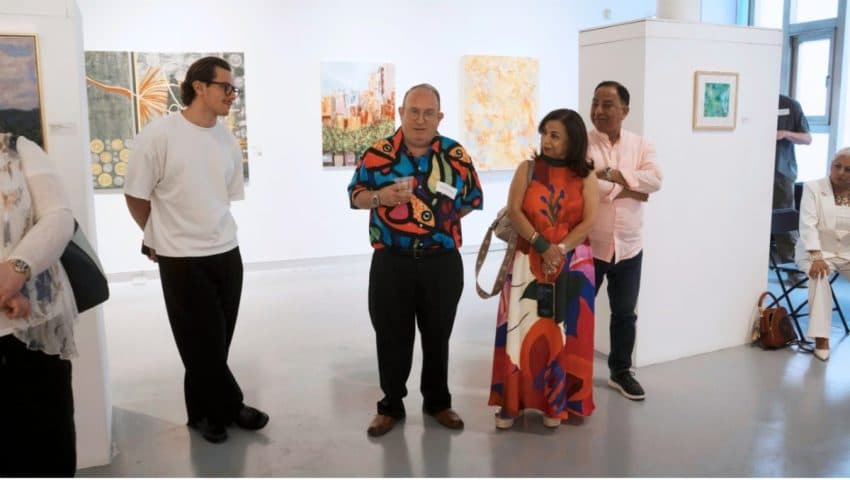
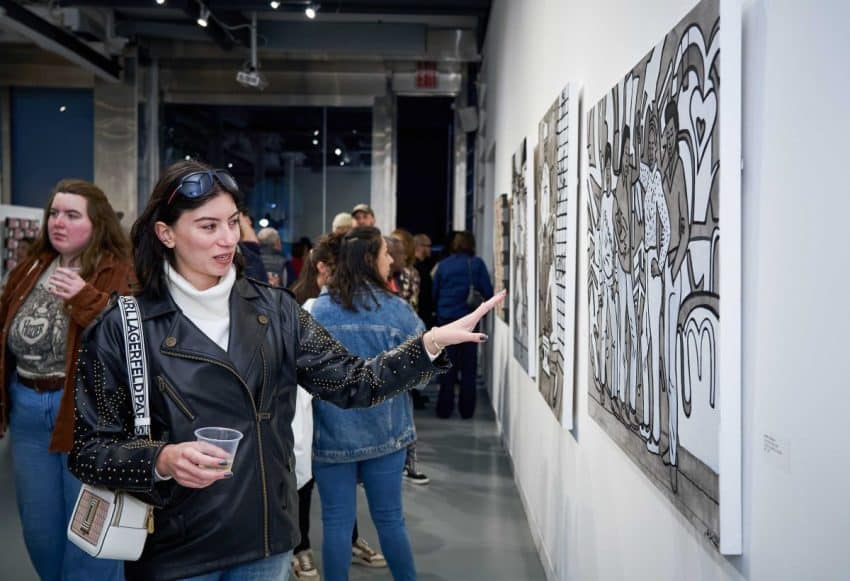
Being part of a gallery’s ecosystem means joining a community of artists, collectors, curators, and art professionals. Opening receptions, artist talks, and special events foster valuable connections that can lead to new collaborations, commissions, and sales.
Openings and receptions organized by AGI, whether at Agora Gallery in Chelsea or at major fairs, create direct access to collectors, curators, designers, and fellow artists. These are high-value moments to build relationships that lead to sales and future opportunities.
These platforms don’t just help with sales; they also build your professional reputation, offering chances to connect with international audiences, critics, and other artists.

Final Thoughts about Representation
In a world where artists have more tools than ever to self-promote, gallery representation remains a powerful career accelerator. It offers credibility, visibility, and access to networks that are nearly impossible to build alone. With 60% of global art sales still flowing through galleries, the benefits of professional representation are as relevant in 2025 as they have ever been.
If you’re ready to explore opportunities for your artistic career, connect with AGI Fine Art and discover how representation can help you reach your next milestone.
Get the next article and open calls
A few times a year. Unsubscribe anytime.
Questions? Feedback? Thoughts on this article, or a topic you’d like us to cover?