How Artists Get Gallery Representation: Models, Myths, and Smart Moves
For many visual artists, getting gallery representation remains one of the most sought-after, and misunderstood, milestones in a creative career. Whether you’re emerging or mid-career, understanding how representation works, what models exist today, and how to approach galleries strategically can make the difference between years of frustration and steady professional growth.
This article breaks down what gallery representation really means today, explores the evolving representation models, and introduces how you can receive support along your path as an artist.
What Does Gallery Representation Mean Today?
Traditionally, being represented by a gallery meant an exclusive contract in which the gallery took full responsibility for promoting, selling, and exhibiting your work, often in exchange for a 50% or higher commission. While this model still exists, the art world has shifted dramatically in the last decade.
Today, artists have more options than ever before. The rise of online platforms, art fairs, and hybrid agencies has opened up alternative pathways that can be just as impactful, if not more so, than the old model.
Gallery representation today can mean:
- A long-term partnership with a gallery
- Project-based or exhibition-based collaborations
- Agency support for art fairs, logistics, and PR
- Marketing and career development services
- Inclusion in curated exhibitions or digital platforms
Different Gallery Representation Models
Understanding the differences between models will help you align your goals with the right opportunity.
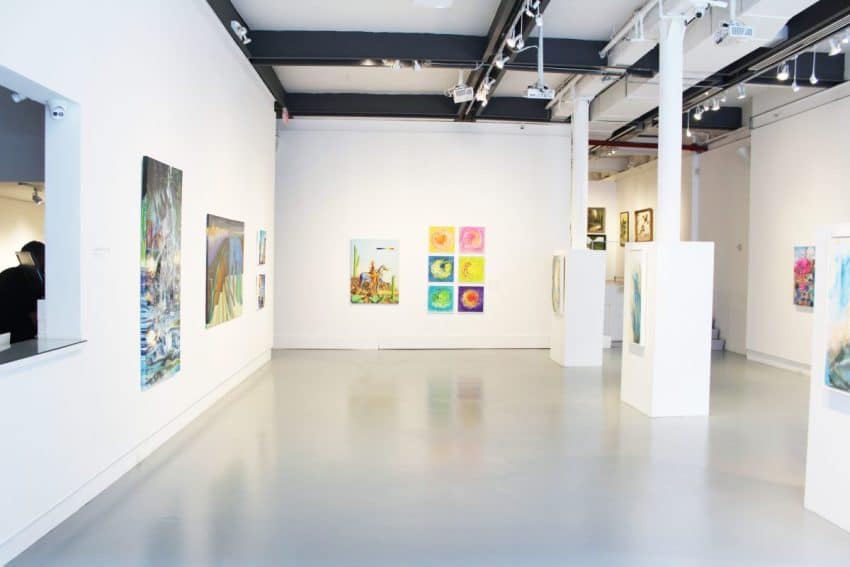
1. Traditional Representation (Commission-Based, Exclusive)
Offers gallery space, sales management, collector network
Often highly selective, limited to a small number of artists
2. Hybrid Representation (Exhibition + Services)
Flexibility, curated support, visibility through group and solo shows
Usually requires an investment from the artist
This is the model offered by AGI Fine Art, tailored to artists seeking real-world exposure without waiting years for traditional gatekeepers.
3. Artist Agencies
Project-based support: art fairs, press, marketing, portfolio coaching
No physical gallery space (unless supported by a gallery partnership, like AGI Fine Art’s collaboration with Agora Gallery)
4. Pay-to-Play Platforms (Low-Curation, High-Volume)
Easy access, exposure to wide audiences
Oversaturated, limited curatorial value
How to Get Gallery Representation: 5 Smart Steps
If you’re wondering how artists get gallery representation, here’s what we’ve learned after working with hundreds of visual artists:
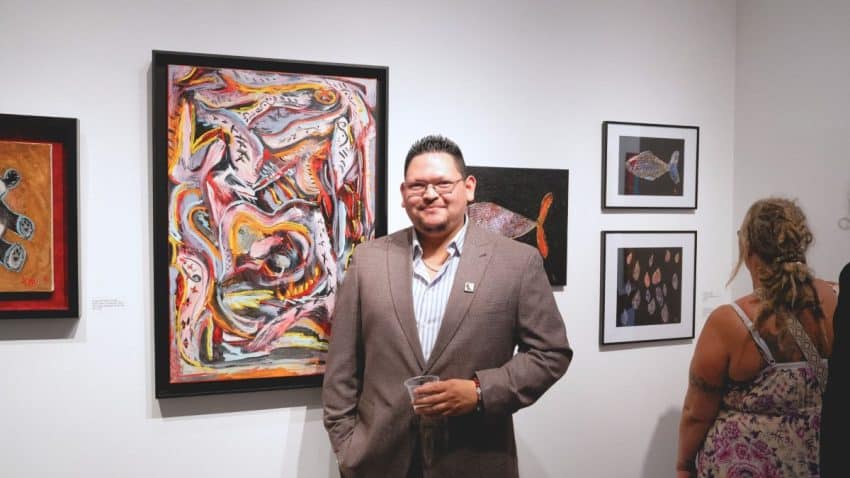
1. Define Your Goals First
Are you looking for exhibition opportunities, sales, press, or guidance? The clearer you are, the better your fit will be.
2. Build a Strong, Focused Portfolio
Quality over quantity. Your work should feel cohesive and professionally documented.
3. Do Your Research
Don’t send mass emails. Study the galleries you admire. Visit their shows, learn about their artists, and see if your work fits their vision.
4. Prepare a Professional Submission
Include an artist statement, CV, high-quality images, and a short, clear introduction. Keep it personal and respectful.
5. Stay Visible
Participate in juried exhibitions, competitions, or art fairs. Visibility leads to opportunity, and representation often starts with a single conversation.
A Smarter Way Forward: Representation with AGI Fine Art
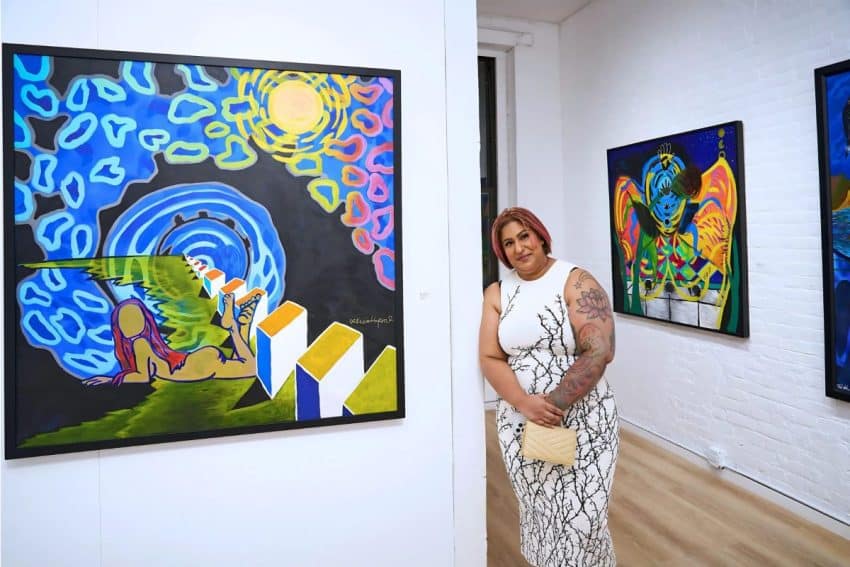
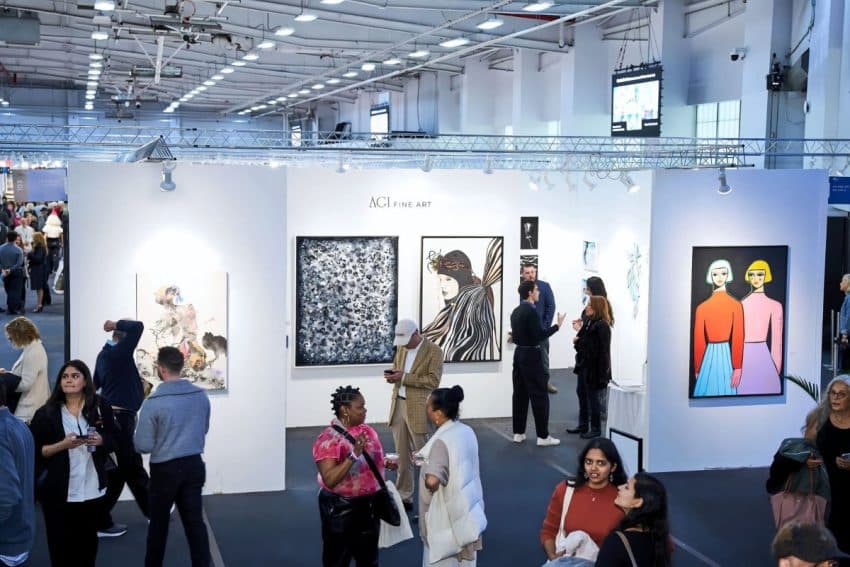
At AGI Fine Art, we work with artists through a curated representation model that combines the visibility of gallery exhibitions with the flexibility of agency services.
Our programs include:
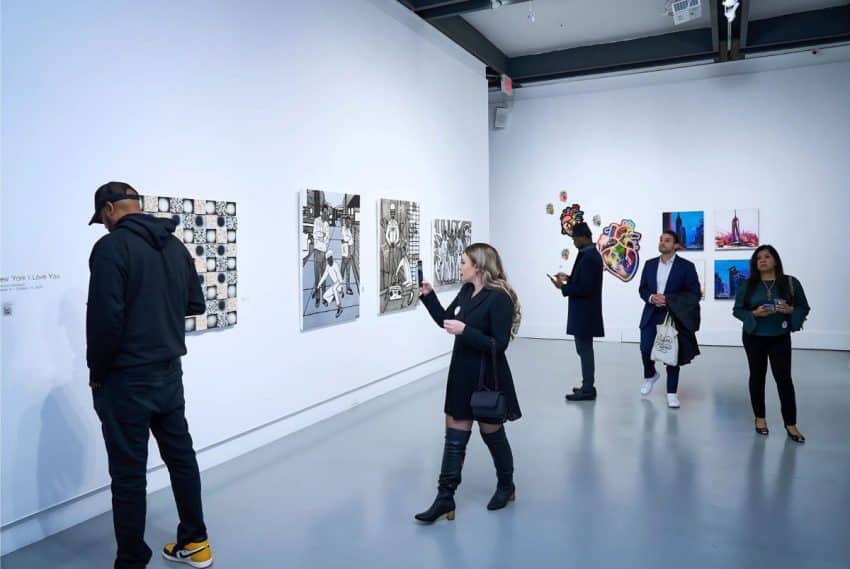
- Curated solo and group exhibitions
- Art fair representation across the U.S.
- Logistics & shipping support
- PR, writing, and promotional services
- Sales support and professional guidance
- Artists receive 70% of the net sale price
Unlike traditional models, we don’t believe in waiting lists or gatekeeping. We believe in elevating serious artists who are ready to take the next step.
Final Thoughts
Gallery representation isn’t one-size-fits-all. Today’s art world offers a range of pathways, and the best one is the one aligned with your goals, your work, and your vision.
Whether you’re looking for your first solo booth at a major art fair or your next curated group show in NYC, AGI Fine Art can help you navigate the process professionally and with intention.
Ready to take the next step?
Get the next article and open calls
A few times a year. Unsubscribe anytime.
Questions? Feedback? Thoughts on this article, or a topic you’d like us to cover?