How to Maintain a Consistent Studio Practice
Artists who wish to see their art practice evolve and improve need discipline, dedication, and routine. Developing and maintaining a consistent studio practice is essential for artists to remain focused on their work and produce high-quality art. Finding space in your schedule for dedicated creativity can be a challenge, but there are small steps you can take to make big leaps in your art. This article will cover some of the basics.
Build a Routine
Scheduling studio time effectively is essential to developing a routine. It helps to establish clear boundaries for the artist’s time and encourages them to stick to the schedule.
Artists should treat their art practice as a job. This means setting aside specific time for it each day or week. A planner or calendar can be very useful in allocating time slots for creative work and organizing project timelines. They can also be useful in setting deadlines and tracking a project’s completion.
Most people will have plenty of other obligations in their schedule, and this can sometimes require juggling commitments. For instance, if an artist has a full-time job, they can choose to dedicate a few hours in the evening or on weekends to their art practice. Creating a schedule helps prioritize the art and make it a habit. However, it is important to be realistic about the amount of time that is available to dedicate to art practice. The goal is to maintain a routine over time, and that is only possible with a reasonable balance between your other obligations and studio practice.
Create a Dedicated Workspace
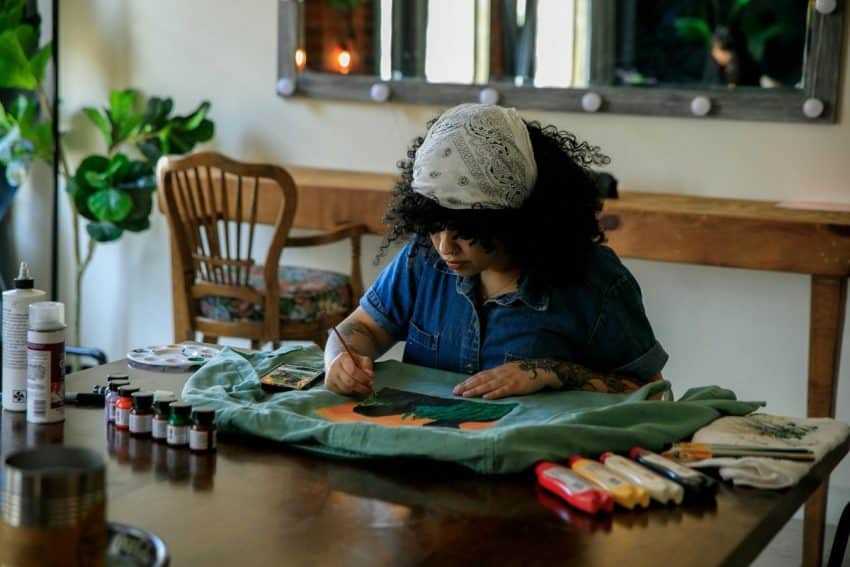
Another key step in maintaining a consistent practice is to allocate an area devoted to studio work. It does not necessarily need to be a professional studio, but a dedicated workspace allows the artist to establish an environment that is conducive to their creative process
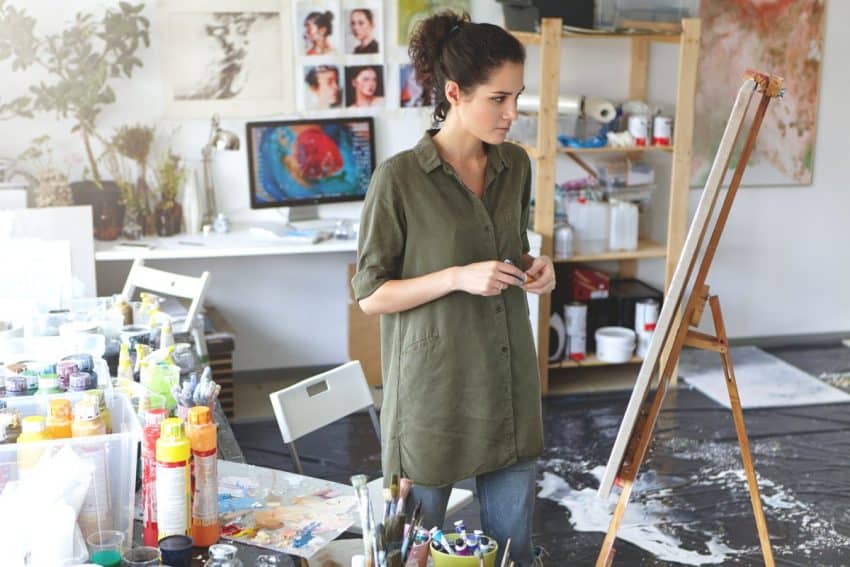
The working area should be comfortable. It should be well-lit, ventilated, and organized, allowing the artist to focus and minimize distractions. Having a dedicated workplace not only improves productivity but also signals to the brain that it’s time to be creative.
Here are some tips for creating the ideal conditions for making art:
Choose a space that is quiet and free from distractions – When selecting a workspace, consider the noise level and how it may impact your creative process. Avoid spaces that have a lot of noise or distractions that may interfere with your concentration.
Eliminate additional distractions – Identify potential distractions and remove them as much as possible. For instance, turn off your phone or put it on silent mode during studio time. Avoid email or social media while working. It’s also helpful to inform family and friends of studio hours so they can respect your time and space.
Ensure adequate lighting – Good lighting is crucial for artists to see their work clearly and accurately. Natural light is the best source, but if that’s not available, choose lighting that is bright but not too harsh. Painters or artists who work with color will likely want to buy lighting with a high color rendering index (CRI). Lights with a CRI of 90% or above will produce a more accurate color rendering of the objects around them.
Set up a comfortable seating arrangement – Artists can spend long hours in their studio, so it’s important that you have seating that supports your back and neck. Investing in a comfortable chair or standing desk can reduce the risk of back pain.
Organize the space for efficiency – A cluttered workspace can make it challenging to focus and hinder creativity. With organization, everything has its place, and resources can be easily found when needed.
Consider the equipment you need – Depending on the type of art you create, you may need specific equipment or tools. What equipment do you need and how will it fit into the space?
Keep it clean – A clean workspace not only looks better but also helps to reduce distractions and promote creativity. Declutter and clean your workspace regularly, and make sure everything is back in its proper place.
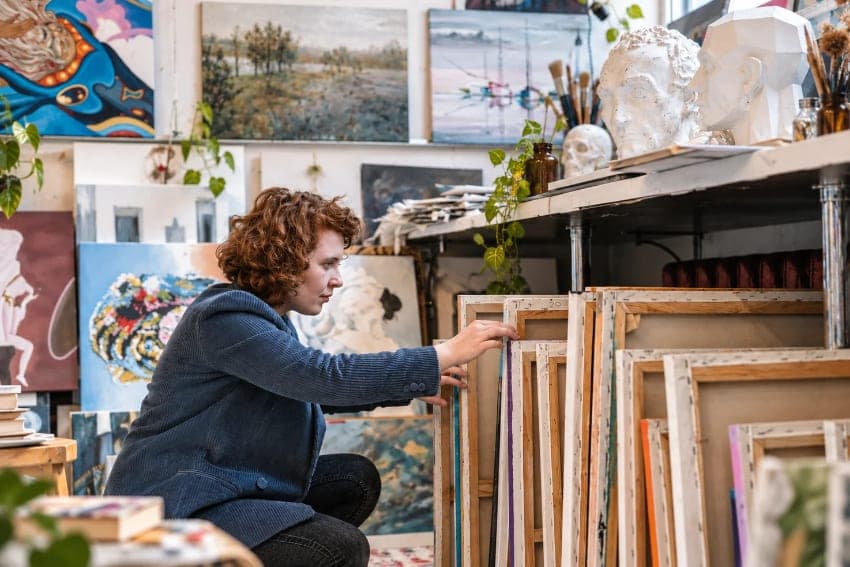
Make it personal – Adding personal touches can make a workspace more relaxing and conducive to creativity. Inspiration can come from plants, colors, or decorative elements. Adding artwork or designs from other artists (or even examples of your own previous work) to a wall can be a fertile source of new ideas.
Maintaining a Studio Practice Over the Long Term
A routine must be sustainable over the long term if you hope to generate a body of high-quality artwork that evolves and improves. There are many factors to consider, but you will have to find harmony between your practice and personal schedule, work habits, relationships, and other commitments.
Real results come from dedicating many hours towards your objectives, but regular breaks are necessary for maintaining consistency. It helps to avoid burnout and keeps creativity fresh. Take short breaks every hour or so to stretch, walk around, get some sun, or grab a snack. Also, be sure to factor in rest days and time for other activities you enjoy.
Goal-setting is also crucial, but goals need to be realistic and attainable. Goals should be specific, measurable, and built around a reasonable timeframe. Realistic objectives ensure that the artist is making progress in their art practice, providing a sense of accomplishment and satisfaction. Setting a specific timeframe for an undertaking can also help you stay motivated and focused. If a particular project is taking up too much of your time with too few results, consider moving it to the back burner and returning to it after spending time with an alternate task. A little time away can often rejuvenate your ideas and focus.

Challenge Yourself
All things considered, you are the only person you can count on to truly challenge your art practice to grow and improve. Your biggest competition should always be with your past self, and your focus should be on chasing your own potential. Fortunately, there are an unlimited number of ways you can make today even more creative than yesterday!
Learn from Other Artists – Joining art communities, attending workshops, or taking classes will help you learn and master new skills and techniques. Learning from others provides new perspectives and ideas, and can keep you motivated and inspired. It also provides an opportunity to connect with other artists and build a sense of community. Other artists also have their own processes and approaches, and you can integrate their lessons with your practice.
Experiment with Different Techniques – Incorporating new techniques is essential to keep your practice fresh and exciting. Different mediums, styles, and processes generate new pathways and keep the creativity flowing. Experimentation also helps to prevent monotony and repetition.
Seek Feedback – Feedback and constructive criticism can be massively beneficial. It helps evaluate the artist’s work and identify areas that need improvement. Engaging feedback from other artists, mentors, or critics is useful. It is essential to be open-minded and receptive, even when it is difficult to hear criticism. It can be tricky to use feedback constructively to improve the work and develop your skills while also maintaining your unique voice, but the process is often worth the challenge.
Embrace Failure – Artists who maintain a consistent studio practice understand that failure is part of the creative process. Failure can be a major learning opportunity, providing valuable feedback and helping the artist to gauge their own improvement. While the idea of failing can seem scary, those lessons can help develop new skills, boost determination, and build self-esteem. You don’t need to win every battle to win the war.
Don’t Let Perfect Be the Enemy of Good
Maintaining a consistent studio practice is vital for artists to produce high-quality work and establish a creative routine. That being said, all of this advice hopes to simplify and encourage the development of a creative habit, but besides dedicating time and energy, none of them are absolutely necessary for the success of every artist.
Every artist has their own circumstances, each with their own unique advantages and challenges. There are, however, very few artists who can accomplish all their goals without a commitment to excellence, dedicated energy, and time. Think about your creative goals, and then do what you can to make it a reality. You may surprise yourself with how much you can achieve!
Get the next article and open calls
A few times a year. Unsubscribe anytime.
Questions? Feedback? Thoughts on this article, or a topic you’d like us to cover?