A Guide To Artist Agents
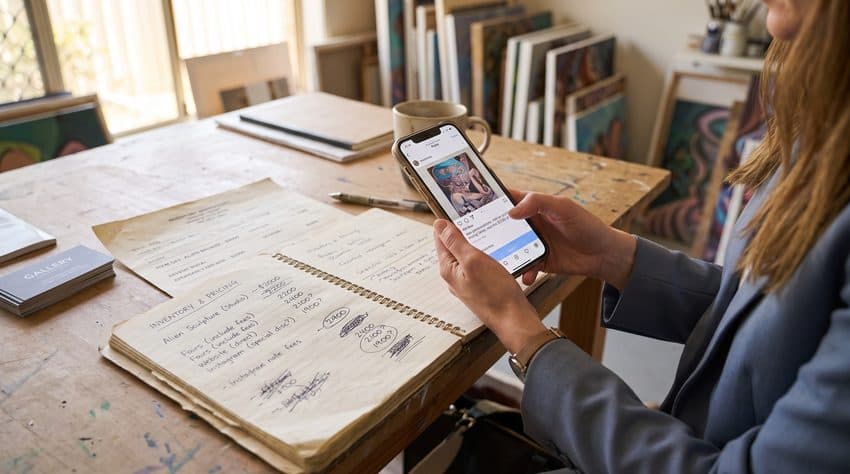
For many artists, the business side of the art world can feel overwhelming. Promotion, sales, networking, contracts, visibility: these responsibilities often compete with the time and energy needed to create new work. It’s no surprise that many artists wonder whether they should find someone who can manage these aspects for them.
This is where the artist agent comes in: a professional whose role is evolving rapidly in today’s global art ecosystem.
In this updated guide, we’ll explore what an artist agent does, whether you truly need one, how to evaluate your options, and what it takes to build a healthy and productive collaboration.
What Is an Artist Agent in 2026?
An artist agent is a professional who represents and promotes an artist’s work. Their responsibilities differ widely depending on their expertise, but often include:
- introducing the artist to collectors and galleries
- negotiating sales and commissions
- facilitating public relations or press
- promoting participation in exhibitions, fairs, or events
- supporting career strategy and long-term positioning
An artist agent can be:
- a private art dealer
- an art consultant
- a gallery offering representational services
- a curator or marketing professional with strong industry connections
Representation today is no longer a one-size-fits-all model. Many agents work independently, while others operate within galleries or larger art organizations.
Do You Need an Agent?
The Pros and Cons: Updated for Today’s Market
The question isn’t new, but the context has changed. Here’s a modern look at the benefits and drawbacks.
Reasons You Might Want an Agent
1. Professional networks and access
Agents often have established relationships with collectors, curators, journalists, and art institutions: networks that may take years for an artist to build alone.
2. Increased visibility and opportunities
A capable agent can help secure:
- sales
- commissions
- licensing deals
- invitations to events, exhibitions, and art fairs
- introductions to industry leaders
3. More time to focus on your practice
The most successful artists often delegate administrative and business responsibilities so they can focus on producing work.
4. Support with communication and negotiation
Not all artists feel comfortable promoting themselves. An agent can help articulate your value clearly and professionally.
Reasons You Might Not Want an Agent
1. Cost
Agents typically work on commission, retainers, or fees. For emerging artists, this investment may not yet be sustainable.
2. Limited control over relationships
When an agent becomes the primary point of contact, you may miss out on developing direct long-term relationships with collectors or curators.
3. Divided attention
Unless you are a top-priority client, your agent may be balancing multiple artists at once. Not all agents have the capacity to dedicate consistent time to your work.

If You Decide You Want an Agent: How to Find the Right One
1. Look where the art world gathers
Agents often attend:
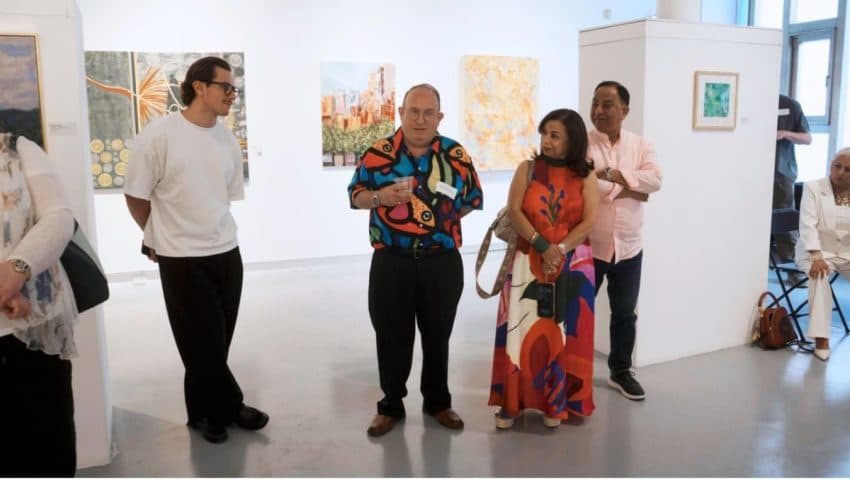
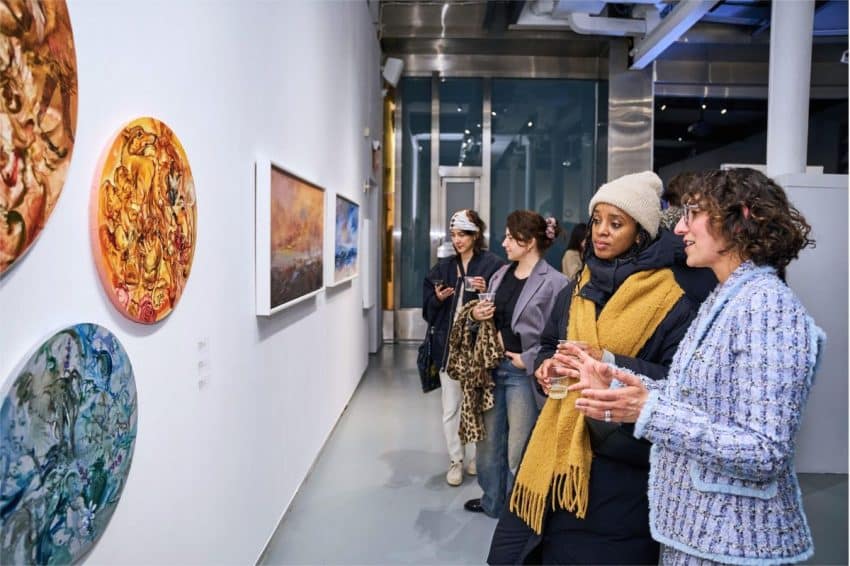
- gallery openings
- art fairs (regional or international)
- open studios
- portfolio reviews
- artist talks
These environments reveal how agents engage with artists and the market.
2. Maintain a strong online presence
Agents increasingly discover artists through:
- personal websites
- Instagram / TikTok
- online exhibitions and competitions
- digital portfolios
An up-to-date and searchable online presence is essential.
3. Leverage your network
Collectors, fellow artists, curators, and teachers may all know professionals who represent artists or consult on artist careers.
4. Research carefully
Search for terms like:
- “gallery representation”
- “visual artists agency ”
- “fine art consultant”
- “artist manager”
Always verify:
- track record
- transparency
- artist testimonials
- business practices
If something feels “too good to be true,” it usually is.
5. Consider galleries that offer representation
Some galleries, including those with strong professional development programs, function similarly to agents.
Representation isn’t just wall space: it can include career support, long-term strategy, visibility, and exhibition opportunities.

How to Select an Agent: Questions That Matter
Before signing anything, ensure the agent:
- understands your medium and market
- has real experience selling work similar to yours
- communicates clearly and respectfully
- is transparent about commission structures
- does not impose unreasonable exclusivity
- can articulate a strategy tailored to your goals
Meet in person or schedule a video conversation.
Your agent must be someone you trust; this is a partnership, not just a service.
Tips for Working Successfully with an Artist Agent
- Start with a short-term contract. Six months to a year is ideal.
- Communicate regularly without micromanaging.
- Be clear about your goals, whether they involve sales, exhibitions, or long-term career development.
- Share information openly. The more your agent understands your work and process, the better they can represent you.
- Review results periodically and adjust expectations or strategies as needed.
If You Choose to Represent Yourself
Many artists today work without agents, by choice.
Self-representation can be deeply empowering and allows you to:
- build your own collector relationships
- decide how to market your work
- control your narrative and brand
- keep 100% of the income from your sales
If this is your path, explore resources like:
- professional art marketing guides
- social media strategy tutorials
- open calls for exhibitions and fairs
workshops and artist development programs.

Final Thoughts: The Most Important Thing Is Alignment
Whether or not you choose to work with an agent, what matters most is that your professional strategy aligns with your artistic goals.
Some artists thrive with support; others prefer independence.
Both paths are valid, and both can lead to a sustainable and successful art career.
Next Steps
If you’re exploring opportunities to grow your visibility internationally, you may want to explore:
- AGI Fine Art’s open calls for artists (fairs, exhibitions, and curated projects)
- our articles on building a professional portfolio and promoting your work
- resources designed to help artists strengthen their presence in New York and beyond
Have you worked with agents before? We’d love to hear about your experiences. Be sure to share your comments and questions in the comments below.
Get the next article and open calls
A few times a year. Unsubscribe anytime.
Questions? Feedback? Thoughts on this article, or a topic you’d like us to cover?