How to Promote Your Art on Instagram in 2026
Instagram has come a long way since it first became a haven for visual expression. What began as a simple photo-sharing app has evolved into one of the most powerful spaces for creative visibility. For artists, it’s no longer just a place to post images of finished works; it’s a platform for storytelling, connection, and discovery.
Today, collectors, curators, and galleries continue to find new talent through Instagram, often long before seeing the artwork in person. If used intentionally, your profile can become not only a portfolio but a living, breathing extension of your artistic identity.
Why Instagram Still Matters for Artists
In an age of AI-driven feeds and short-form video, Instagram remains uniquely relevant for visual artists. It combines the visual immediacy of an art fair with the storytelling of a personal studio visit.
While other platforms reward shock value or virality, Instagram still values aesthetic storytelling. Its audience, from collectors and curators to art lovers, seeks beauty, meaning, and authenticity. That makes it a natural ecosystem for artists who want to share their work thoughtfully and build lasting connections.
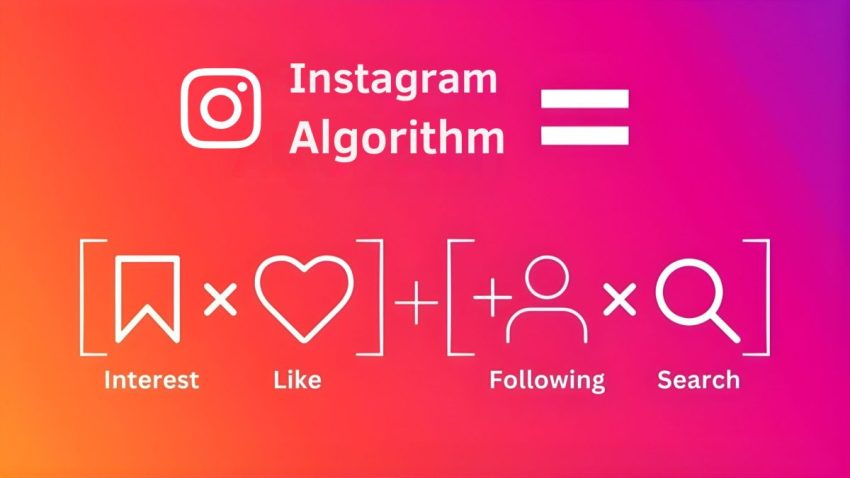
The platform’s integration with Meta’s advanced discovery algorithms also means that posts now reach audiences based on relevance and engagement patterns, not just follower count. A consistent, authentic voice can attract collectors far beyond your local scene.
Create a Profile That Tells Your Story
Think of your profile as your digital business card, and your biography as your artist statement.
- Profile image: Choose a professional portrait or a signature artwork detail that represents your visual world.
- Bio: Be clear and concise: say what kind of artist you are, where you’re based, and include a link to your website or portfolio.
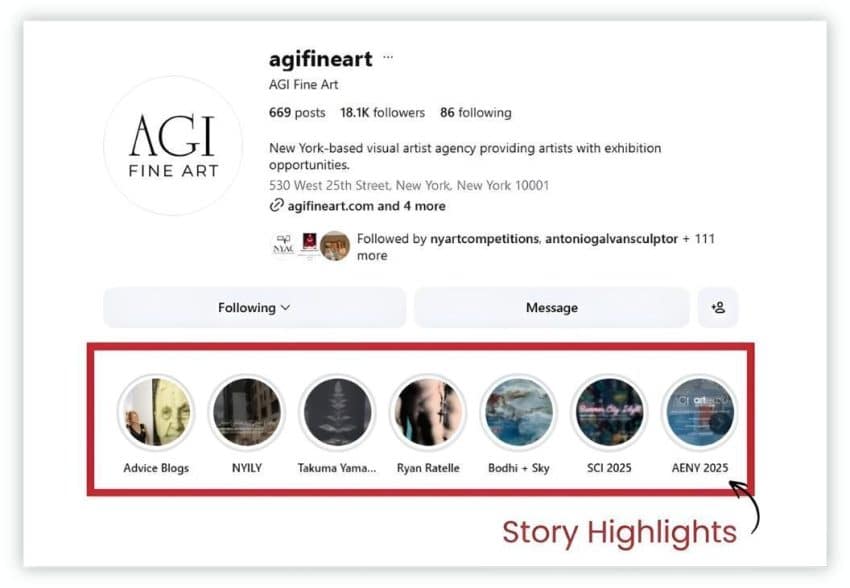
- Highlights: Organize your Stories into categories such as Studio, Exhibitions, Press, and Reels. These highlights give visitors an instant sense of your career and personality.
Your profile should feel curated but approachable, not distant or overly polished.
What to Post: From Studio Moments to Finished Works
People don’t just want to see your art; they want to see you making it. Share the process, not just the final result.
Balance your feed with:
- Finished artworks photographed clearly and professionally.
- Work in progress updates to show your creative evolution.
- Studio moments that reveal your environment and materials.
- Exhibitions and art fairs, including openings, installations, or close-ups of works on view.
- Inspiration posts: textures, travels, or details that influence your creative language.
The best-performing accounts weave together art, personality, and purpose. Your followers are investing in your story, not just your product.
Visual Strategy: Photography, Reels & Aesthetic Consistency
Instagram in 2026 is a mixed-media platform. While static images remain essential for portfolios, Reels and carousel posts drive discovery and engagement.
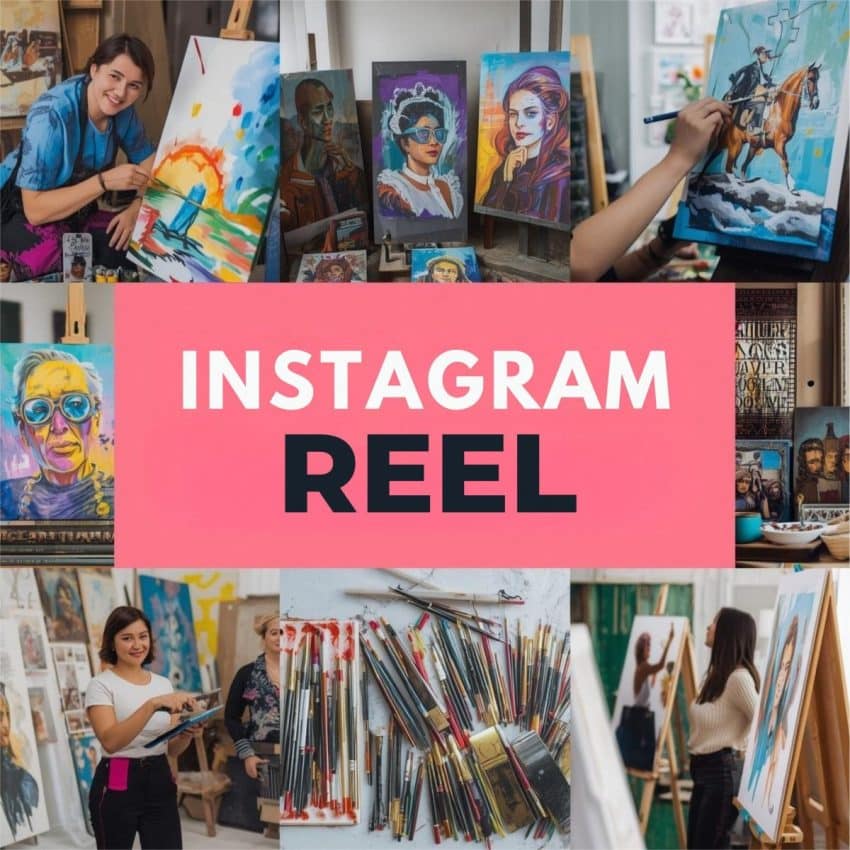
- Reels: Capture short clips (5–15 seconds) of your painting process, studio setup, or exhibition walkthroughs. Use trending sounds only if they complement your aesthetic; silence and ambient noise can be equally powerful.
- Lighting: Natural daylight works best. Avoid heavy filters and focus on clean, crisp presentation.
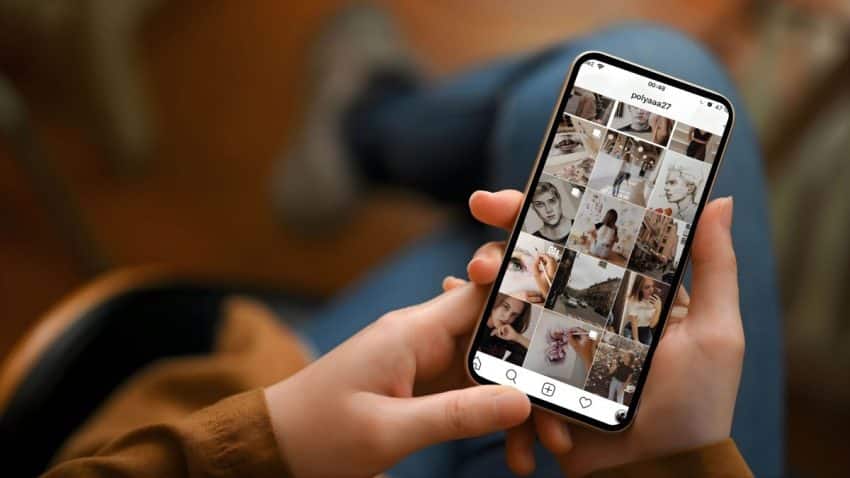
- Aesthetic consistency: Use a cohesive color palette and tone across your posts. Think of your grid as a gallery wall; every image should belong to the same universe.
Don’t chase trends. Create a rhythm that reflects your work’s pace and energy.
Writing Captions That Engage
Captions are your voice: your space to add emotion, context, or curiosity.
A few tips:
- Open with a hook or question.
- Tell a story about the piece, its inspiration, or your process.
- Invite your audience to reflect: “What emotions does this color evoke for you?”
- Alternate between longer, reflective captions and short, poetic ones.
A meaningful caption can turn a scroll into a conversation, and conversations into relationships.
Hashtags and Keywords: The 2026 Approach
Hashtags still matter, but quality outweighs quantity.
Use a mix of 5–12 tags across three main categories:
- Medium or style: #oilpainting #abstractsculpture #fineartphotography
- Location: #nycartist #chelseagallery #italianart
- Community or concept: #womeninart #artcollector #emergingartist
Include keywords directly in your captions and even your username (e.g., “@JaneDoe_ContemporaryArt”). Instagram’s AI-driven search now indexes posts through keywords, similar to Google.
Avoid copying trending hashtags blindly; focus on the ones that attract the right audience for your art.
Build a Real Community
Social media success isn’t about numbers; it’s about relationships. Engage genuinely with other artists, curators, and collectors.
- Comment thoughtfully on others’ posts, not just “Beautiful!” but “Love the texture in this piece.”
- Share others’ work in your Stories when it aligns with your vision.
- Reply to comments and DMs; every conversation is a potential opportunity.
- Use Instagram as a dialogue, not a monologue.
Artists who grow in 2026 are those who show presence, not perfection.
Turn Followers into Collectors
Visibility is just the beginning. Turning admiration into acquisition requires trust and storytelling.
- Use your bio link to lead followers to your available artworks, on your website or on platforms like ARTmine.
- Post contextual photos: artworks displayed in interiors or during exhibitions. This helps followers imagine your work in real life.
- Offer limited-edition drops, early access, or virtual studio previews for your followers.
- Above all, emphasize meaning over marketing. A collector invests in a story before they invest in a canvas.
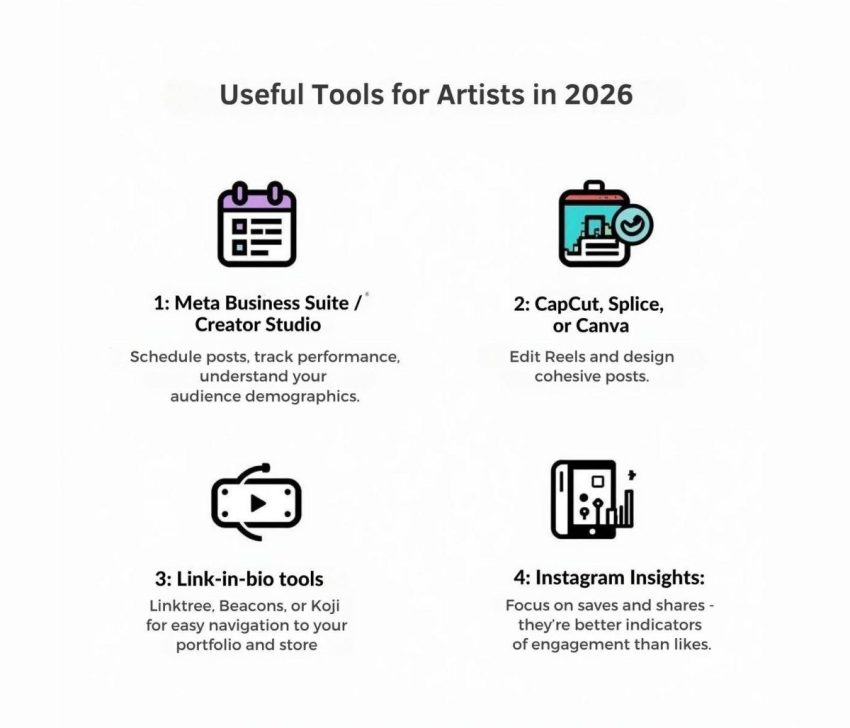
Useful Tools for Artists in 2026
- Meta Business Suite / Creator Studio: Schedule posts, track performance, and understand your audience demographics.
- CapCut, Splice, or Canva: Edit Reels and design cohesive posts.
- Link-in-bio tools: Linktree, Beacons, or Koji for easy navigation to your portfolio and store.
- Instagram Insights: Focus on saves and shares; they’re better indicators of engagement than likes.
Consistency and analysis will help you grow strategically, not randomly.
Common Mistakes to Avoid
- Posting sporadically or without intention.
- Ignoring comments or messages.
- Using irrelevant hashtags.
- Treating every post as a sales pitch.
Instagram is about connection, not conversion. Focus on building trust first; sales follow naturally.
Final Thoughts: Instagram as Part of Your Artistic Identity
Instagram isn’t just a marketing tool; it’s a creative platform that reflects your growth as an artist. The key is authenticity: showing who you are, what moves you, and how your art fits into the larger cultural conversation.
“Your feed isn’t a gallery; it’s your story in motion.”
Stay curious, keep experimenting, and let your digital presence evolve alongside your art.
Ready to take your career to the next level?
Discover AGI Fine Art’s opportunities to boost your visibility, reach influential audiences, and connect with the right collectors for your work.
Get the next article and open calls
A few times a year. Unsubscribe anytime.
Questions? Feedback? Thoughts on this article, or a topic you’d like us to cover?