How to Promote Your Photography on Instagram
What still works, and what photographers should know today
Instagram remains one of the most widely used visual platforms in the world. For photographers, it can still be a valuable space to share work, connect with peers, and build visibility, if used with intention.
That said, Instagram is no longer a shortcut to success.
Algorithms change, organic reach fluctuates, and visibility alone rarely translates into real professional opportunities. Used strategically, however, Instagram can support your broader artistic and career goals.
Choosing the Right Name on Instagram
Instagram indexes two key elements for search:
- your username (handle)
- your profile name
Your handle should be:
- recognizable and easy to remember
- as short and clear as possible
- consistent across platforms, if feasible
If you’re just starting out, using your name or artist name without unnecessary symbols is often the best choice.
Your profile name (the bold line under your photo) can be more descriptive. This is where you can clarify:
- that you’re a photographer
- your genre or focus (portrait, fine art, documentary, landscape, etc.)
- your location, if relevant
This small detail helps users, and algorithms, understand who you are.

Make the Most of Your Profile
Instagram offers very limited space, so every element matters.

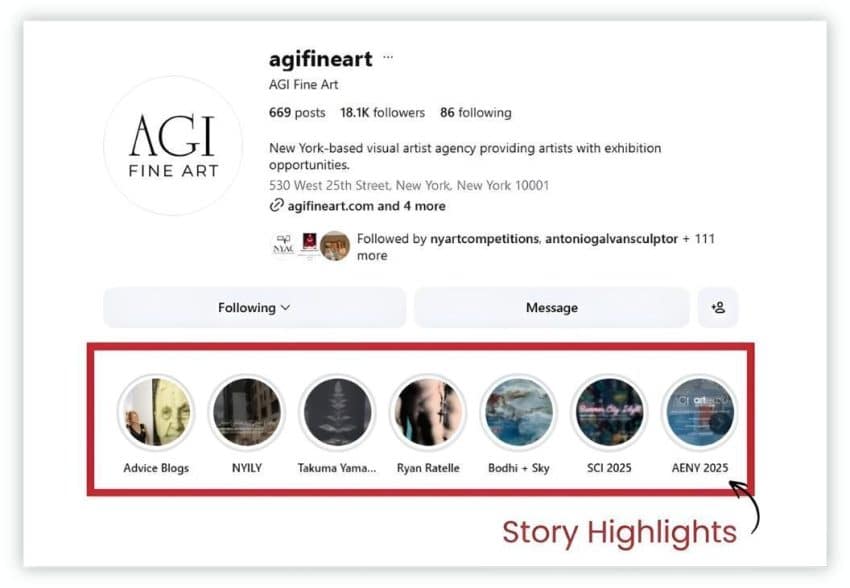
- Profile image: Choose a clear portrait or logo that remains readable in a small circular format.
- Bio: You have only a few characters to communicate:
- what you do
- where you’re based (or willing to work)
- what kind of photography you focus on
Avoid generic phrases. Aim for clarity and personality.
You can also include:
- a link to your website or portfolio
- a professional email address
Instagram is often the first point of contact; treat it as such.
Switch to a Professional Account
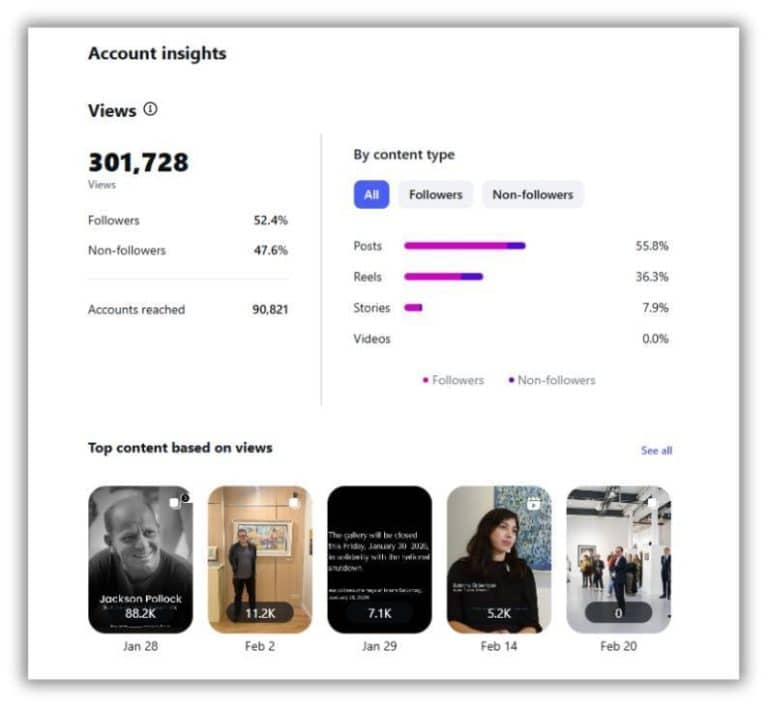
Using a professional (business or creator) account gives you access to:
- contact buttons (email, directions, etc.)
- basic analytics through Instagram Insights
These tools won’t replace deeper analysis, but they help you understand:
- when your audience is active
- which posts perform better
- how users interact with your profile
Data won’t define your work, but it can inform your decisions.
Share Content with Purpose
Quality matters more than quantity.
Instead of posting constantly, focus on coherence.
Find and Respect Your Niche
Consistency helps people understand your work. A clear visual direction is more effective than chasing trends.
Write Captions That Add Context
Captions are not an afterthought. Use them to:
- explain intent
- share process
- invite reflection
A simple question can encourage meaningful engagement.
Use Stories Strategically
Stories are ideal for:
- behind-the-scenes moments
- process snapshots
- studio life
They humanize your practice without diluting your main feed.

Tagging: Visibility with Intention
Instagram allows three main types of tagging:
- hashtags
- location tags
- mentions
Hashtags still help with discoverability, especially when they are:
- specific rather than generic
- relevant to your work, medium, or subject
Location tags can connect your work to places people actively explore.
Mentions are useful when collaborating or crediting clients, and can extend your reach organically.
Instagram Is Not the Whole Strategy
This is the most important point.
Instagram can support visibility, but it does not replace professional platforms, curated opportunities, or structured career development.
That’s why we always encourage photographers to think beyond social media and consider:
- exhibitions
- competitions
- international visibility
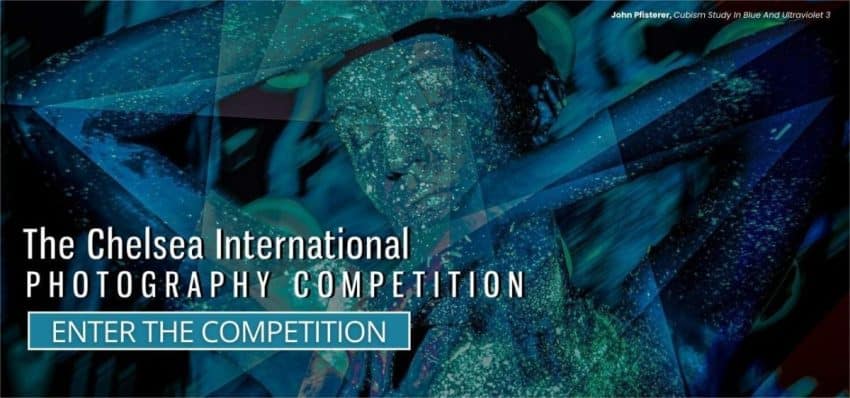
Opportunities such as the Chelsea International Photography Competition are designed to place photographers in front of a global audience in a professional, curated context.
The 8th edition of the competition will be opening soon, offering photographers a chance to present their work beyond the limits of social platforms.
Learn More About Promoting Your Work on Instagram
If you’d like to explore this topic further, we recommend reading our in-depth guide on how artists and photographers can promote their work on Instagram, with a broader focus on visibility and professional positioning.
Final Thoughts
Use Instagram as:
- a window into your practice
- a way to connect and communicate
- a supporting tool, not the final destination
Strong photography deserves strong platforms.
And when your work is ready, opportunities beyond social media are where real growth often begins.
Get the next article and open calls
A few times a year. Unsubscribe anytime.
Questions? Feedback? Thoughts on this article, or a topic you’d like us to cover?