How To Create A Professional Portfolio
Building a professional artist portfolio is one of the most powerful steps you can take to advance your career, whether you’re applying to an art program, seeking gallery representation, or simply looking to present your work in a compelling, professional way. Your portfolio doesn’t just showcase your art; it communicates your voice, your style, and your readiness to be taken seriously as an artist. So how do you create one that truly stands out?
This comprehensive guide walks you through the essential steps and components of a professional artist portfolio. Whether you’re just starting or looking to refine your presentation, these insights will help you structure a portfolio that reflects both your creative identity and your professionalism.
1. Understanding the Purpose of Your Portfolio
Before you begin, be clear about your objective. Are you applying to art school? Submitting to a gallery? Seeking press or representation? Each of these goals may require slightly different emphasis in terms of content and format, but one constant remains: your portfolio should offer a curated view of your best work and present you as a serious, thoughtful artist.
Your portfolio should communicate:
- A clear sense of your creative identity
- Artistic maturity and originality
- Technical and conceptual consistency
- Professionalism and attention to detail
2. Choosing the Right Format: Physical, Digital, or Both?
Today, most artists maintain at least one form of digital portfolio, whether it’s a personal website, a curated PDF, or a profile on a portfolio platform. Still, in some contexts, such as in-person reviews or physical submissions, a printed version may be expected.
Digital Portfolios
- Ideal for submitting to galleries, open calls, and applications
- Should be easy to navigate and professionally designed
- All image files of your artworks should be high-quality JPEGs (at least 1500px on the longest side)
- Ensure files are named clearly and consistently (e.g., LastName_Title_Medium_Year.jpg)
Physical Portfolios
- Best for face-to-face meetings or presentation days
- Use a clean, professional binder or presentation case
- Include printed versions of your key documents (artist statement, bio, CV, image list)
- Ensure all works are printed in high resolution on quality paper
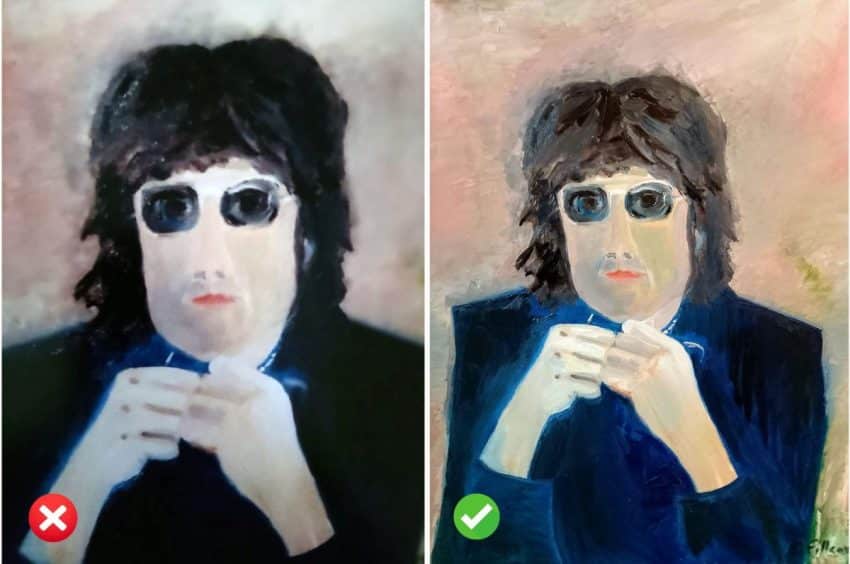
Regardless of format, high-quality images are non-negotiable. Poor photography or low-resolution images can make even great work appear amateurish.
Tip: If your photography skills aren’t strong, consider hiring a professional. The investment is worth it.

3. What to Include in Your Portfolio
A great portfolio is more than just images. It tells your story and gives context to your work. These are the essential components:
Cover Letter (optional, but useful for gallery submissions)
- A brief and customized note introducing who you are and why you’re reaching out
- Keep it professional, concise, and tailored to the recipient
Artist Statement
- Written in first person
- Explains your artistic process, themes, and intentions
- Typically 300-500 words
- Should feel personal and reflective without being vague
- Here are some suggestions on how to write an artist statement
Artist Biography
- Written in third person
- Includes your education, exhibitions, awards, residencies, and other key milestones
- Keep it concise and relevant
- Here are some suggestions on how to write an artist biography
Curriculum Vitae (CV)
- Focus on art-related accomplishments
- Organize by category: education, exhibitions (solo/group), awards, residencies, publications, representation
- Keep it clean and factual
- Here are some suggestions on how an artist’s CV should be structured
Portfolio Images
- Between 10 and 20 strong works
- Include title, medium, size, and year for each
- Sequence thoughtfully (start and end with particularly strong pieces)
- Avoid redundancy; show range without being scattered
Image List and Price Sheet (if applicable)
- Especially important for gallery submissions or collector inquiries
- Include basic info: Title, medium, dimensions, price (if for sale)
4. Tailoring Your Portfolio to the Audience
Just like with job applications, a generic portfolio rarely hits the mark. Customize your selection and documents depending on your goal.
Art Schools
- Show technical skills, observational drawing, and openness to experimentation
- Include a range of mediums and styles, from figurative to abstract
- Demonstrate willingness to learn and artistic potential
MFA Programs
- Present a mature, cohesive body of work
- Show depth of concept and evolution of practice
- Avoid works older than 2-3 years
Galleries
- Focus on consistency, salability, and alignment with the gallery’s aesthetic
- Show that you understand your market and where you fit
- Your portfolio should reflect a professional, self-aware artist ready for representation
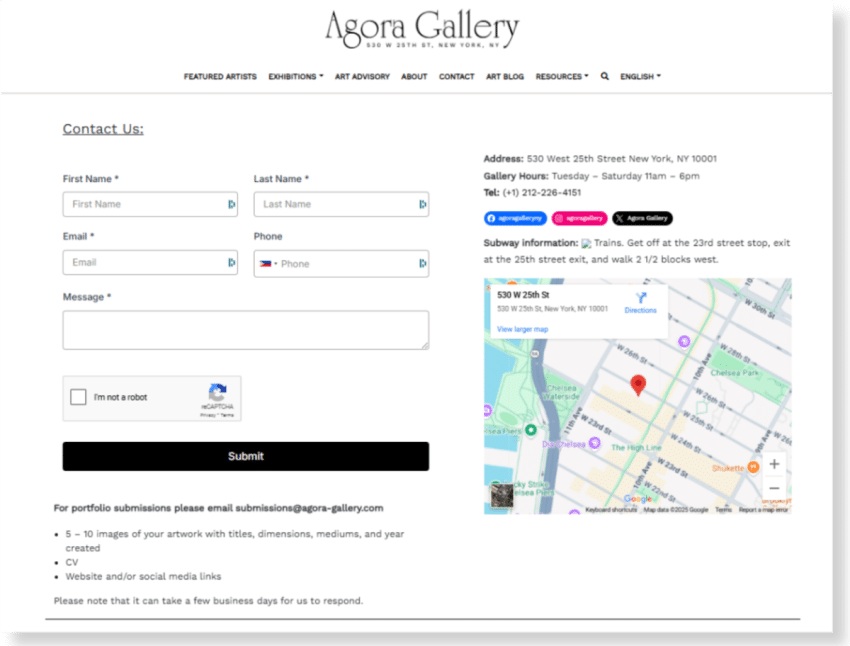
Tip: Research each institution or gallery before submitting. Read their submission guidelines carefully and always respect file format, length, and documentation requirements.
5. Visual and Organizational Best Practices
Your presentation is as important as your artwork. A disorganized or cluttered portfolio will distract and confuse reviewers.
Do:
- Use clean, minimal layouts that focus attention on your work
- Maintain consistent formatting and typography
- Group artworks by series, theme, or chronology when appropriate
- Include captions or titles with all images
Don’t:
- Overload your portfolio with too many works
- Use distracting backgrounds, graphics, or fonts
- Leave out key documents like your CV or statement
- Submit outdated or unfinished work
Reminder: Your portfolio should be easy to navigate, pleasant to look at, and informative.
6. Keep It Up To Date
Your portfolio is a living document. As you create new work, gain exposure, or shift your artistic direction, make sure your portfolio evolves with you.
Set a reminder every 6 months to:
- Add new works
- Update your CV and exhibitions list
- Refresh your artist statement and bio if needed
You want any curator, gallery owner, or art consultant to see that you are active and engaged in your practice.
7. Common Mistakes to Avoid
- Low-resolution images: Nothing undercuts your work faster
- Too many works: Edit ruthlessly to keep attention
- Missing context: Lack of bio, artist statement, or work details
- Unclear filenames: Label everything clearly and logically
- Lack of focus: Avoid including pieces that don’t fit stylistically or conceptually
8. Building Your Online Portfolio
Having an online presence isn’t just optional anymore. A clean, professional website or portfolio page expands your visibility and shows your readiness to participate in today’s art world.
Best practices for online portfolios:
- Use high-res, fast-loading images
- Keep the navigation simple
- Ensure mobile responsiveness
- Include a professional email, CV, and artist statement
- Avoid excessive animations, music, or pop-ups
Platforms to consider: Squarespace, Adobe Portfolio, Cargo, ArtConnect, or your own custom site.
Pro Tip: Use your own domain name (e.g., yourname.com) for credibility and ease of search.
Final Thoughts: Make It Personal, Make It Professional
Ultimately, your artist portfolio should do two things: reflect your creative identity and make it easy for others to understand, appreciate, and support your work.
Professional doesn’t mean sterile; it means thoughtful, organized, and intentional. Infuse your materials with your voice, your aesthetics, and your best self as an artist.
The effort you put into your portfolio can open doors to schools, shows, residencies, and representation. Take the time to get it right.
Ready to Take the Next Step?
AGI Fine Art supports emerging and mid-career artists worldwide in presenting their portfolios and expanding their careers.
Visit our Open Calls for Artists to explore current opportunities and share your work with the world.
Get the next article and open calls
A few times a year. Unsubscribe anytime.
Questions? Feedback? Thoughts on this article, or a topic you’d like us to cover?