How to Brand Yourself as an Artist

Establishing your identity as an artist is crucial in today’s art world. While technical skill and aptitude are undeniably essential for any artist, how you present yourself significantly influences your impact on the art scene.
While exhibiting in major art hubs like New York, London, and Berlin can boost your visibility, it’s only one part of a broader branding strategy. Other than where you choose to show your work, your vision, presentation, execution, and the narratives behind it are just as vital in setting you apart from other artists.
In this article, we’ll dive into the concept of artist branding and share strategies to help you develop a brand that reflects your identity and sets you apart in a saturated market.
What is Artist Branding?
Branding is all about creating and communicating a cohesive identity that captures your vision and values, which forges an authentic connection with your audience through your artwork and the narratives that inform it.
A well-defined brand helps your audience instantly recognize your work, associating it with your stylistic choices, color palette, and recurring themes. This recognition boosts online and offline visibility, breeding familiarity and trust among collectors and followers.
Just as a calling card leaves an impression, your brand does the same by reflecting the essence of your artistic identity. It tells your audience what to expect. By presenting a consistent and clear image, your brand becomes the first point of contact between you and those interested in your art, setting the tone for how your work is perceived, remembered, and appreciated.
Artist Branding Strategies
Building a successful brand as an artist requires deliberate planning and consistent execution. We’ve listed a few strategies below to help you cultivate a brand that is all you!
1. Define Your Core Vision and Values:
The foundation of any strong brand is clarity. Start by examining the ideas that resonate with you: what drives your creativity, the themes central to your work, and the emotions you wish to evoke.
Understanding what you want to say through your art allows you to articulate the essence of your identity, giving direction to your work. What does your art say about you? Is your work shaped by social issues, cultural narratives, or personal experiences? Or, perhaps, you want to explore questions on identity, religion, or human connection.
Your art is a reflection of your perspective on the world, and defining your vision helps to illustrate the underlying motivations behind your art. When viewers can understand the meaning behind your art and its purpose, they engage not just with the piece itself, but with the larger story you’re telling.
Clearly defining your vision and values helps your audience understand your work’s deeper motivations.
2. Create a Distinct Visual Identity:
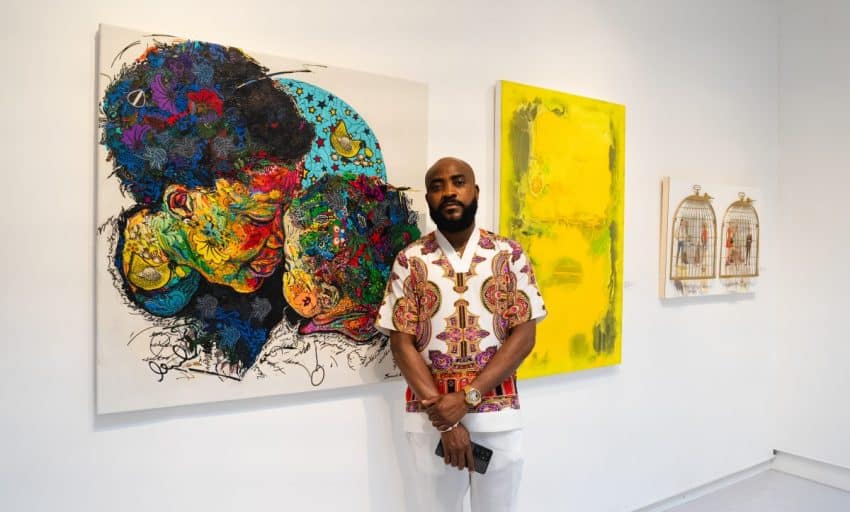
Your visual identity is how your audience perceives you. This goes beyond just your artwork; it includes your website’s design, logo, and overall aesthetic across all platforms.
Ensure that everything reflects a cohesive visual style that aligns with your art. A consistent visual identity enhances brand recognition, helping people identify your work even before they see your name.
Additionally, consider how you present your work in exhibitions. High-quality images, professional gallery displays, and thoughtful framing can all contribute to a more substantial visual identity.
3. Develop a Compelling Story:
Your story is what sets you apart from other artists. Every artist has unique experiences, struggles, and breakthroughs, and these can play a central role in how your audience relates to your work.
Use platforms like Instagram or YouTube to share behind-the-scenes content, showcasing your process, exhibitions, or day-to-day life as an artist. By revealing more of who you are and what you do, you build a stronger relationship with your audience.
Of course, how much or how little you share about yourself is entirely up to you.
4. Engage with Your Audience Intentionally:
Social media allows you to connect directly with your audience, and a strong brand thrives on meaningful interaction with its audience.
Thoughtful engagements with your followers through live Q&A sessions, virtual studio tours, or exclusive updates on your projects builds connection, and the more you interact, the more your audience will identify with you; this can translate into long-term support for your career, from purchasing your work to attending your exhibitions.
5. Network and Collaborate Strategically:
Building connections in the art world can significantly enhance your brand. Engaging with art institutions or collaborating with other artists introduces your work to new audiences and adds credibility to your brand.
Remember, strategic partnerships, in-person or online, can expand your reach and enrich your artistic practice.

6. Professional Representation and Physical Exhibitions:
In a digital-driven world, physical exhibitions still hold immense value. Showing your work in galleries, museums, or art fairs significantly boosts your visibility and legitimizes your artistic career.
Partnering with a gallery or working with an agent who understands your vision can open doors to high-profile exhibitions and meaningful connections with collectors and critics.
7. Stay Authentic:
Above all, remain true to yourself. Authenticity should be at the core of your brand. Whether online or in person, ensure your brand reflects your values, vision, and artistic style.
Avoid trends or market demands that feel inauthentic to your work. An authentic brand builds trust, fosters loyalty, and stands out in a marketplace crowded with artists who may be trying to conform to fleeting trends.
Remember, when your brand reflects your true self, it becomes easier to maintain consistency because you’re not trying to be someone you’re not.

Conclusion
Building a strong brand as an artist goes beyond simply promoting your work; it’s about creating an identity that reflects your true self. By developing a cohesive brand, you not only showcase your art but also invite your audience to engage with your journey, values, and vision.
Naturally, your brand will evolve as you do. With a thoughtful approach, your brand can serve as a foundation for long-term success, helping you connect with the right audience and distinguish yourself in a competitive industry.
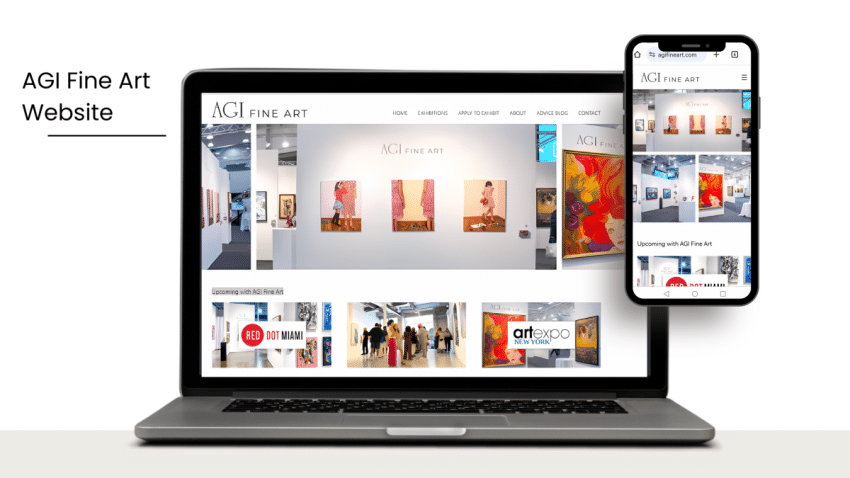
If you’re ready to elevate your career and craft a resonant brand, explore the professional representation services offered by AGI Fine Art. With a deep understanding of both traditional and contemporary art markets, AGI Fine Art can help you organize impactful exhibitions, connect with the right audience, and confidently navigate your journey as an artist.
Get the next article and open calls
A few times a year. Unsubscribe anytime.
Questions? Feedback? Thoughts on this article, or a topic you’d like us to cover?