Art Painting Supplies: What You Need to Work Effectively
Starting a career as an artist requires both passion and the right tools to bring your vision to life. The materials you choose directly impact your creative process and the quality of your work.
Whether you prefer the rich textures of oil paints, the versatility of acrylics, or the fluidity of watercolors, understanding the unique qualities of each medium will help you select the best supplies for your style.
While professional-grade materials offer superior control, durability, and pigment quality, student-grade supplies can be a more affordable option for beginners. Student-grade paints, brushes, and surfaces often use less concentrated pigments and may have fillers, which can affect the vibrancy and texture of the work. However, they are still suitable for practice and experimentation, allowing you to develop essential skills without a significant investment. As you refine your technique and develop your artistic style, transitioning to professional-grade materials will give you the tools necessary for higher-quality, long-lasting results.
1. Choosing the Right Paints
Each painting medium requires its type of paint, and choosing the right one for your style and technique is essential:
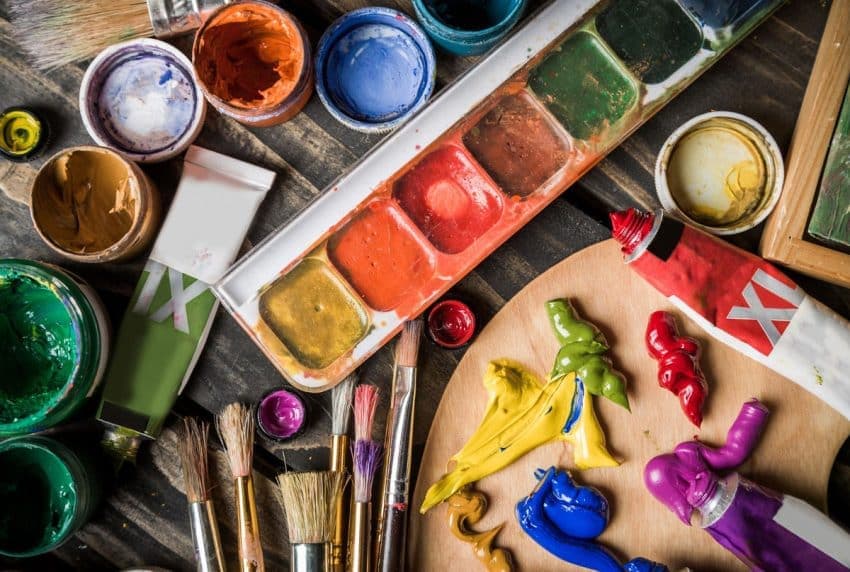
- Oil Paints: Oil paints are ideal for detailed, layered work and are known for their rich hues and workable opacity. The slow drying time allows for meticulous blending and reworking, making them perfect for artists who value precision and depth. However, they require solvents like turpentine or mineral spirits for thinning and brush cleaning, adding complexity to the process.
- Acrylic Paints: Acrylics are highly versatile and fast-drying, making them excellent for experimenting with layers and texture. With their quick drying time, acrylics are particularly suited for projects that demand speed or multiple iterations.
- Watercolors: Watercolors are known for their soft, translucent effect and are a favorite for artists who work outdoors or prefer portability. They pair best with heavyweight, acid-free paper to prevent warping and to support techniques like washes and layering. Watercolors demand careful planning, as their transparency makes corrections more challenging.
While student-grade paints provide an affordable entry point, they often compromise on pigment concentration and quality, leading to less vibrant and durable results. Though more expensive, artist-grade paints deliver richer colors, consistent performance, and longevity, making them a worthwhile investment as your skills develop.
2. Brushes and Palette Knives
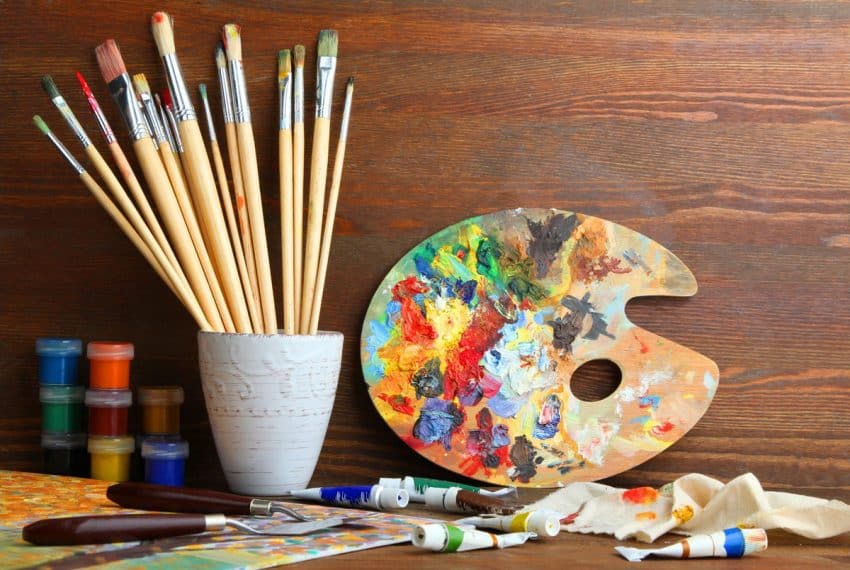
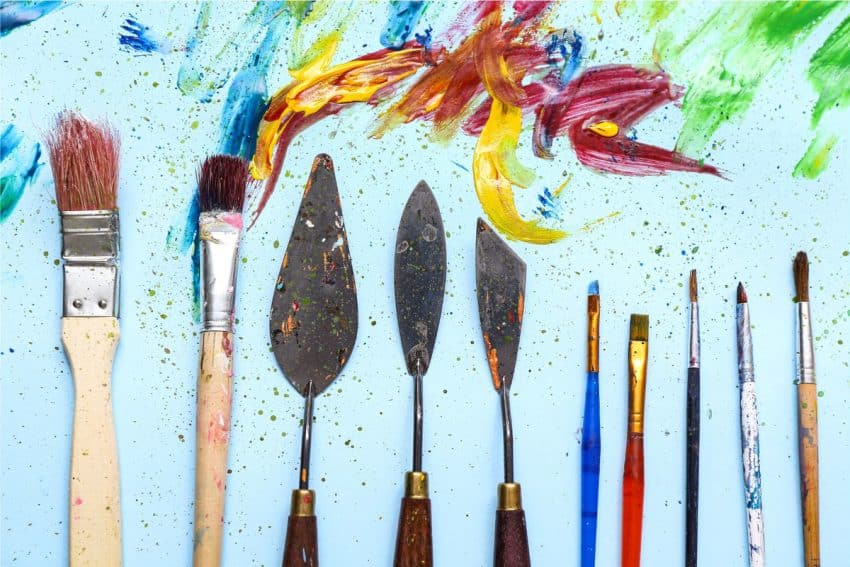
Brushes are fundamental to any painter’s toolkit, and choosing the right shapes and bristle types can significantly influence your technique and results. Some of the most common brush shapes include:
- Flat Brushes: Known for their broad, square tips, these are excellent for creating bold strokes, filling large areas, or making clean, straight edges.
- Round Brushes: These brushes taper to a fine point, making them ideal for detailed work, fine lines, and controlled strokes.
- Filbert Brushes: Their rounded edges make filberts versatile, allowing for broad coverage, soft blending, and fine lining.
The bristle type also plays a crucial role in how a brush interacts with your chosen medium:
- Natural Bristles: Made from animal hair, such as hog, squirrel, or sable, these brushes are highly absorbent and flexible, making them ideal for oil paints. Hog bristles, in particular, can handle thicker paints and create bold textures, while sable brushes offer a softer touch for fine detail work.
- Synthetic Bristles: Typically made from nylon or polyester, these brushes are durable, cost-effective, and versatile. They are a popular choice among artists due to their resilience and easy cleaning. Many modern synthetic brushes closely mimic natural bristles, making them a good choice for artists working with watercolors or mixed media.
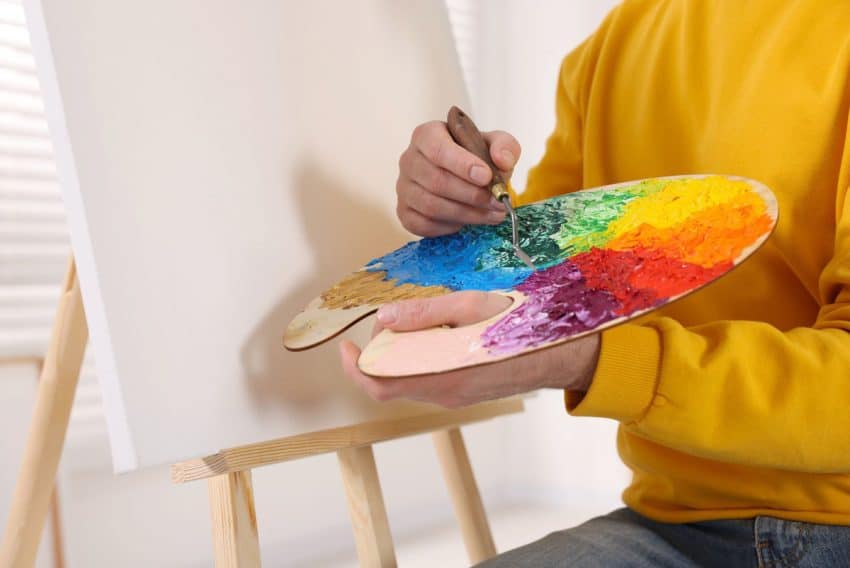
Palette knives are another indispensable tool for mixing paints or applying bold, textured strokes directly to the canvas. Their ability to create sharp edges and layered textures adds depth and energy to a painting, offering effects that brushes cannot replicate.
3. Choosing the Right Surface
The surface you paint on influences how your medium interacts with the paint. Choosing the right surface ensures the paint adheres correctly and produces the desired effect, helping you avoid frustration and wasted materials. These include:
- Stretched Canvas: A popular choice for oil and acrylic painters, it provides a smooth, durable surface for professional-quality work.
- Canvas Panels: These are more affordable and portable, ideal for studies, smaller works, or plein air painting.
- Watercolor Paper: Watercolor artists need acid-free, heavyweight paper that can withstand repeated washes without warping or tearing.
4. Palette and Easel
Properly organizing your materials ensures a smooth and enjoyable painting process:
- Palette: Whether you use a glass, wood, or disposable palette, it’s essential for mixing and managing your paints. Glass and wood palettes are durable and easy to clean, while disposable options are convenient for beginners or short projects.
- Easel: A sturdy easel is critical to working comfortably. Smaller tabletop easels are ideal for compact spaces or smaller canvases, while a studio easel offers stability for larger works.
5. Mediums and Solvents
Depending on your chosen medium, you’ll need specific tools to achieve the desired effects:
- For Oil Paints: You’ll need turpentine, linseed oil, or odorless mineral spirits for thinning paints and cleaning brushes.
- For Acrylics: Gel mediums, retarders, and texture pastes allow you to manipulate the paint’s drying time and surface quality.
- For Watercolors: Masking fluid is used to preserve areas of the paper from paint, and spray bottles help reactivate dry paint for further layering.
6. Additional Supplies
To streamline your creative process, don’t forget these extras:
- Sketchbooks: These are invaluable for brainstorming, creating preliminary studies, and mapping out compositions.
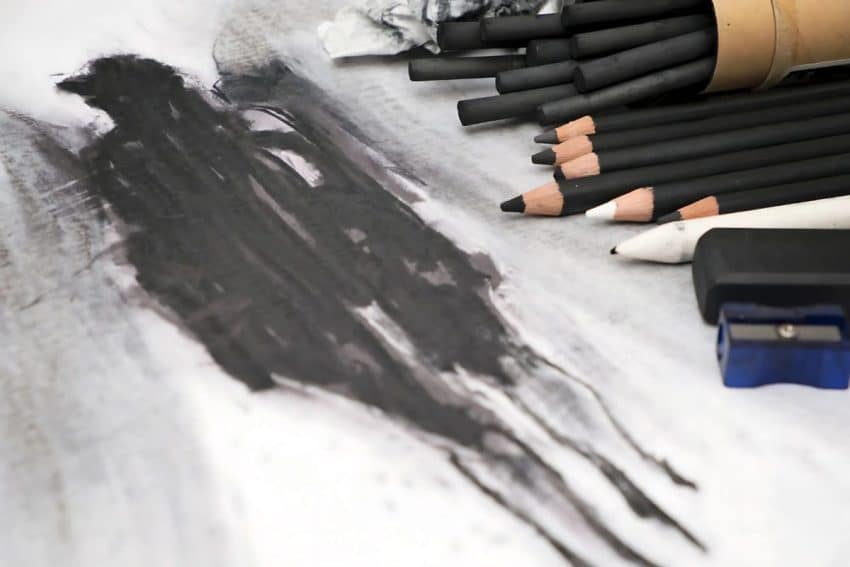
- Pencils and Charcoal: Useful for sketching initial designs and planning your artwork before applying paint.
- Rags or Paper Towels: Keep them on hand for cleaning brushes, wiping excess paint, or adjusting details during painting sessions.
- Varnish: Once your painting is complete, varnish protects and enhances the finish, ensuring the longevity of your work.
Pro Tips for Budget-Friendly Shopping
Getting started doesn’t have to break the bank. Here’s how to build your collection affordably:
- Begin with basic, primary colors and essential tools, expanding as your skills progress and your style develops.
- Look for sales, student discounts, and online deals to save money on quality materials.
- Experiment with different brands to find the right balance of quality and cost for your needs.
Take Your Artistic Career to the Next Level
Mastering your craft is just the beginning. To further your career, consider these steps to help you elevate your journey as an artist:
- Enter Art Competitions: Participating in competitions offers exposure and connects you with the global art community. Look for competitions that align with your vision to showcase your work on a larger stage.
- Build Your Professional Presence: Keep your portfolio updated, maintain an active online presence, and engage meaningfully with galleries, collectors, and curators.
- Seek Guidance from Industry Experts: Working with a professional agency like AGI Fine Art can provide personalized and valuable career advice and access to opportunities such as exhibitions in prestigious spaces. Lastly, a consultation with experienced professionals can help you create a clear strategy for your artistic growth.
Taking proactive steps now will help you build a successful, sustainable career. Stay consistent, explore new opportunities, and let your art make its impact!
Get the next article and open calls
A few times a year. Unsubscribe anytime.
Questions? Feedback? Thoughts on this article, or a topic you’d like us to cover?