Art Curators: Who Are They and What Do They Do?
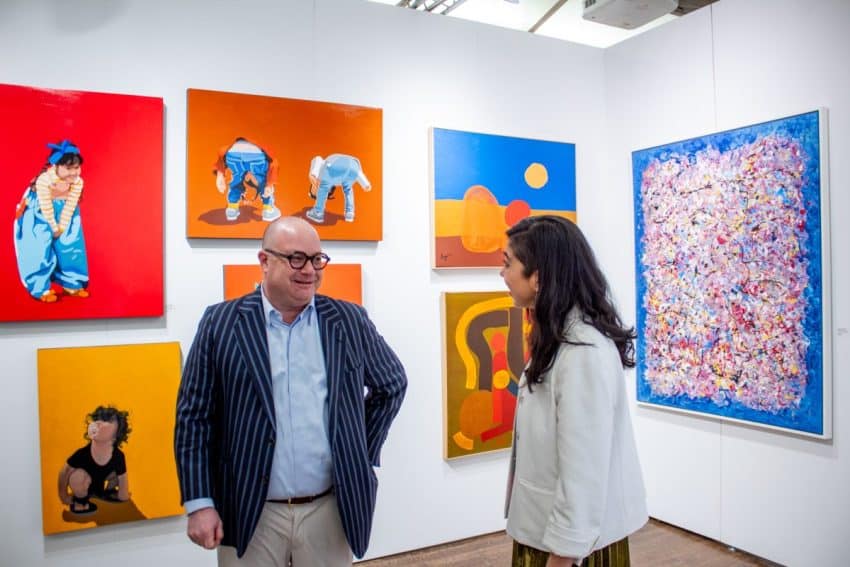
Art curators play a multifaceted and essential role in the art ecosystem. While artists bring their concepts to life through their creations, curators guide the narrative by selecting and arranging works to foster dialogue, provoke thought, and enhance the overall impact of an exhibition.
By bridging the gap between artists and audiences, art curators elevate individual artworks and contribute to the broader cultural conversation surrounding art.

The Role of an Art Curator
Art curators are responsible for sourcing works, conducting research, and sharing insights that shape how art is perceived and appreciated, serving as vital links between artists, artworks, and the public. Although much of their work occurs behind the scenes, their influence significantly impacts the art world.
Beyond organizing exhibitions, curators advocate for artists, championing emerging talent in a competitive market. With extensive knowledge of art history, contemporary trends, and cultural context, curators help determine what becomes prominent in the art scene, often bringing visibility and recognition to new voices.
Of course, an art curator’s advocacy extends beyond exhibition spaces. Curators promote artists through social media, publications, and public speaking engagements, helping them gain visibility and recognition while creating opportunities to reach broader audiences.
Furthermore, curators provide context and insight, making art more accessible and fostering a deeper understanding of its significance. By sharing their knowledge and passion for art, they enhance the cultural experience within their communities.
Key Responsibilities of an Art Curator
- Curating Exhibitions: Curators are responsible for planning and organizing exhibitions in museums, galleries, and alternative spaces.
- Selecting and Acquiring Artwork: Curators choose the pieces featured in an exhibition, often working closely with artists to understand their vision. This process requires balancing the aesthetic and thematic goals of the exhibition while considering how each piece fits into the overall narrative.
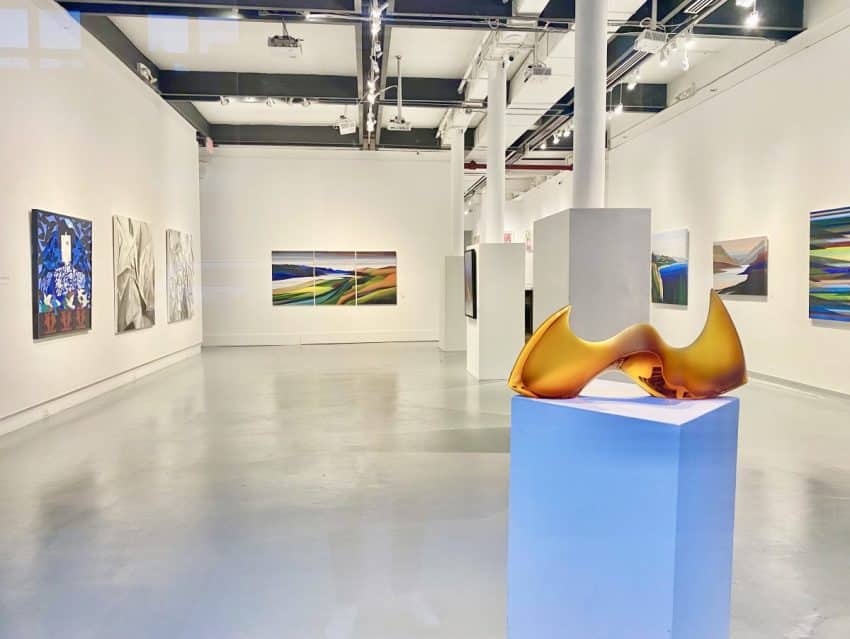
- Exhibition Design: Curators plan the exhibition layout once the selection is made. They determine how to arrange the artwork, considering space, lighting, and flow to enhance the audience’s interaction with the pieces. Thoughtful design can significantly influence how visitors engage with and interpret the displayed works.
- Providing Context and Interpretation: Curators create interpretive materials such as curatorial statements and multimedia content that help viewers understand the deeper meaning behind the artworks. Their research and insights connect individual pieces to broader cultural and historical contexts, guiding audiences through a more informed and immersive experience.
- Building Relationships: Curators also serve as educators and spokespeople, sharing their knowledge with the public. Their ability to communicate effectively with experts and casual viewers helps shape public understanding and appreciation of the art.
Agora’s Expertise in Art Curation
AGI Fine Art under the Agora Group, is synchronous with Agora Gallery’s long-standing supportive approach to art curation. AGI has become a vital platform for emerging artists to showcase their work, connect with collectors, and engage with the broader art community.
Curating exhibitions that amplify innovative voices within the art market, AGI’s philosophy centers on close collaboration with artists through promotion-led programming. Their curators ensure each exhibition aligns creative vision with a compelling narrative and engages audiences with unique experiences.
A notable example is the New York, I Love You exhibition held at Agora Gallery in October 2024. This collective exhibition celebrates the vibrant spirit of New York City, showcasing contemporary artwork that reflects its cultural diversity. It exemplifies AGI Fine Art’s commitment to elevating emerging talent by providing them with a prestigious platform for exposure in one of the world’s major art centers.
Beyond organizing impactful exhibitions, AGI Fine Art actively promotes career development for artists, offering networking opportunities, mentorship programs, and professional guidance. These initiatives help artists navigate the complexities of the art market, fostering meaningful connections with industry professionals.
What Can a Curator Do for You?
Collaborating with a professional curator can significantly enhance your career as an artist. Here are several ways a curator can benefit you:
- Enhanced Artistic Presentation: Curators assist in effectively presenting your work to highlight its narrative, context, and visual impact.
- Opportunities for Exposure: They can showcase your art in galleries, museums, and art fairs, providing access to art collectors, critics, and enthusiasts.
- Professional Guidance: With their deep understanding of the art market, curators offer insights on positioning your work to align with current trends while remaining true to your artistic vision.
- Networking and Connections: Curators facilitate introductions to key industry contacts, including gallery owners, collectors, and media outlets, expanding your professional network.
The Impact of Art Curators
Art curators are essential to the art world, skillfully shaping the narrative and presentation of exhibitions. Their expertise elevates individual artworks and fosters connections between artists and audiences. Through collaborative efforts, curators create immersive experiences that engage viewers and enhance their appreciation of art.
For artists, partnering with the right curator opens doors to invaluable opportunities, from strategic guidance on showcasing their work to networking with key players in the industry.
As galleries and artist agencies like AGI Fine Art continue to champion innovative curation and support for emerging talent, the impact of art curators will remain significant in cultivating an ever-evolving art community.
Get the next article and open calls
A few times a year. Unsubscribe anytime.
Questions? Feedback? Thoughts on this article, or a topic you’d like us to cover?