Why Pricing Your Artwork Matters

📝 This article was originally published in 2016 and updated on August 29, 2025.
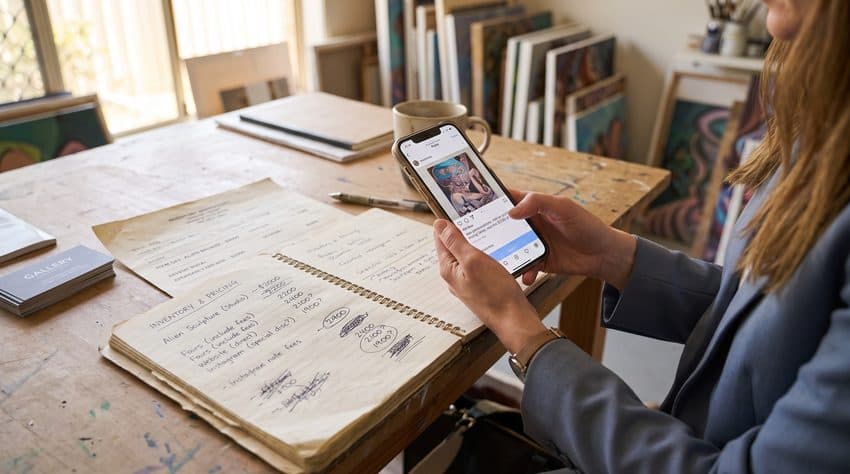
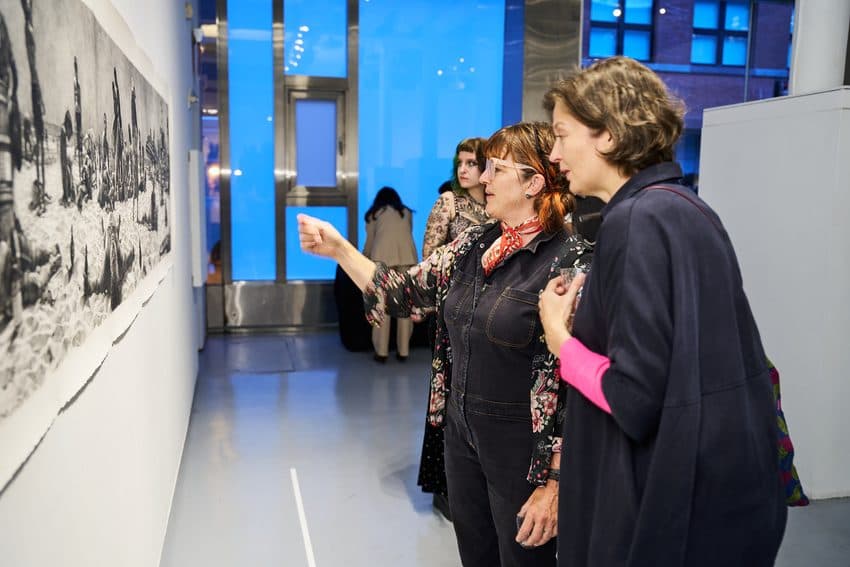
Pricing is more than a number; it’s a reflection of your artistic identity, market positioning, and career goals. The right price builds trust with collectors, sustains your practice, and supports long-term growth. At AGI Fine Art, we collaborate with artists worldwide to showcase their work in prestigious venues in New York and beyond, and we’ve seen firsthand how pricing can make or break opportunities.

1. Setting Artwork Prices for Emerging Artists
When you’re new to selling your work, your prices set the tone for your market presence. The goal is to balance affordability for buyers with fair compensation for your time and skill.
a. Calculate the cost of your materials
From acrylics to stainless steel, the medium you choose impacts your costs, and your final price. Even small expenses add up, so always calculate the true cost of production.
Special considerations for sculpture
Sculpture often requires costly processes like bronze casting, marble carving, or large-scale installation. Include every stage (concept, production, transportation, storage) so your pricing reflects the full value.
b. Consider size and scale
Larger works generally require more resources. While scale alone shouldn’t dictate price, it should influence it.
c. Research comparable artists
Look for artists at a similar stage, using similar media, in comparable markets. Your prices should align unless you can justify the difference.
d. Avoid extremes
Pricing too high can stall sales, while pricing too low weakens your credibility. Establish market-relevant prices that support steady growth: build upward over time rather than having to retreat because you started too high.
2. Adjusting Prices as You Grow
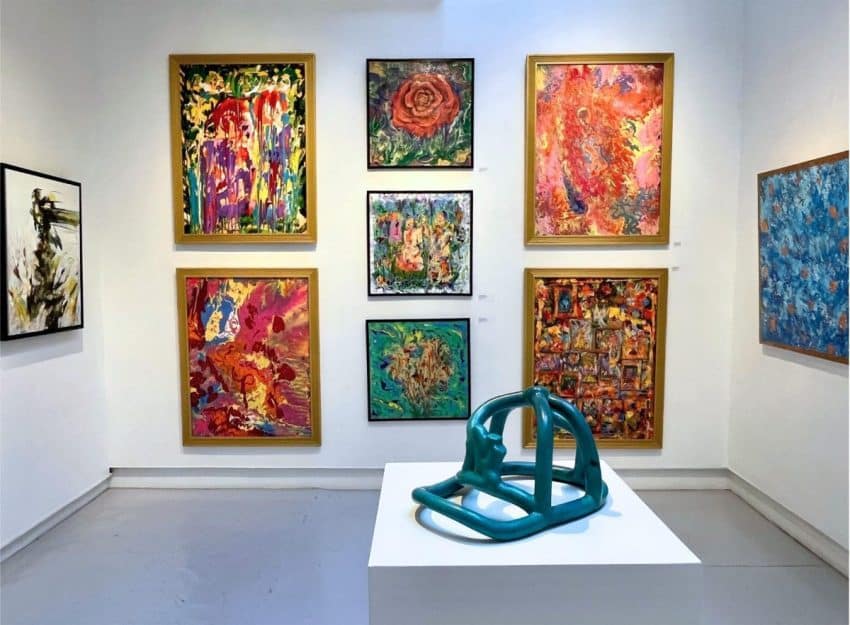
As your experience, exposure, and demand increase, so should your prices, but in measured, strategic increments. Always factor in the overall state of the economy and market conditions when deciding on timing and scale of adjustments.
Raise prices when:
- You’ve had consistent sales over at least a year
- Your exhibitions generate strong results
- You receive awards, press coverage, or critical recognition
A 10–15% increase is typical; up to 25% may be justified for major milestones.
3. Pricing Sculpture: Beyond the Canvas
Sculpture involves unique factors that go beyond standard two-dimensional work:
- Specialized tools or studio facilities
- Assistants or skilled technicians
- Foundry services and mold-making
- High shipping, insurance, and installation costs
Collectors understand these challenges, and transparent pricing can enhance the perceived value of your work.
4. Matching the Market
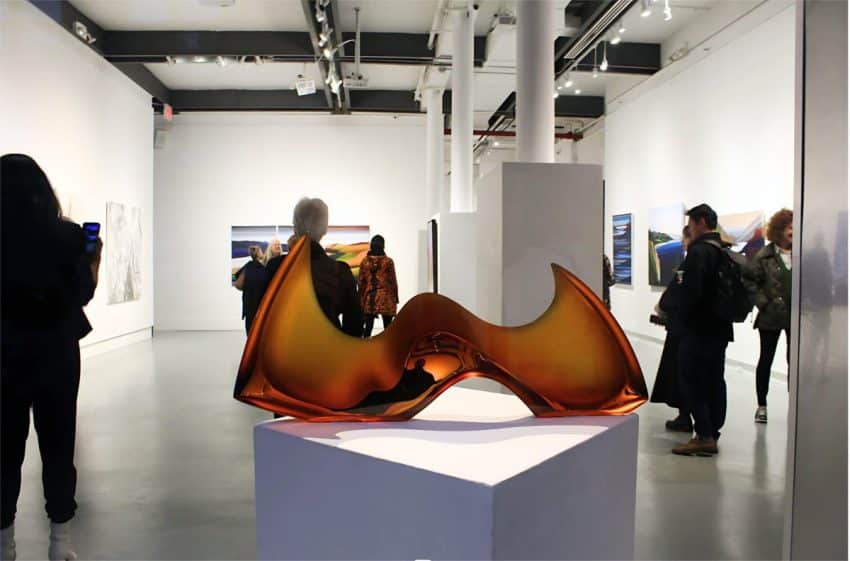
At an art fair or group exhibition, your prices should be in line with those of your peers in the same context. Too high and you risk no sales; too low and you risk being undervalued.
- Know your audience
Collectors in major cities like New York generally expect higher price points than buyers in small towns or outdoor markets. Know your venue and the target audience.
- Factor in additional costs
Commissions, booth fees, transportation, and insurance should all be included in your calculations. Never undercut your gallery or venue by selling the same work elsewhere or directly at a lower price; this can damage relationships and your professional reputation.
5. Price vs. Value
A price reflects the current market, while value can grow over time. Strategic pricing ensures your work reaches the right audience and helps build long-term collector relationships.
Final Tip:
Pricing is part numbers, part narrative. Be consistent, do your research, and remember: your price tells the world how you value your work. When in doubt, consult with professionals, gallerists, or experienced advisors who can evaluate your work and recommend pricing that aligns with the market.
Ready to Take the Next Step?
Expand your reach, connect with new audiences, and present your work in New York City. Explore AGI Fine Art’s open calls for artists and discover your next exhibition opportunity.
Get the next article and open calls
A few times a year. Unsubscribe anytime.
Questions? Feedback? Thoughts on this article, or a topic you’d like us to cover?