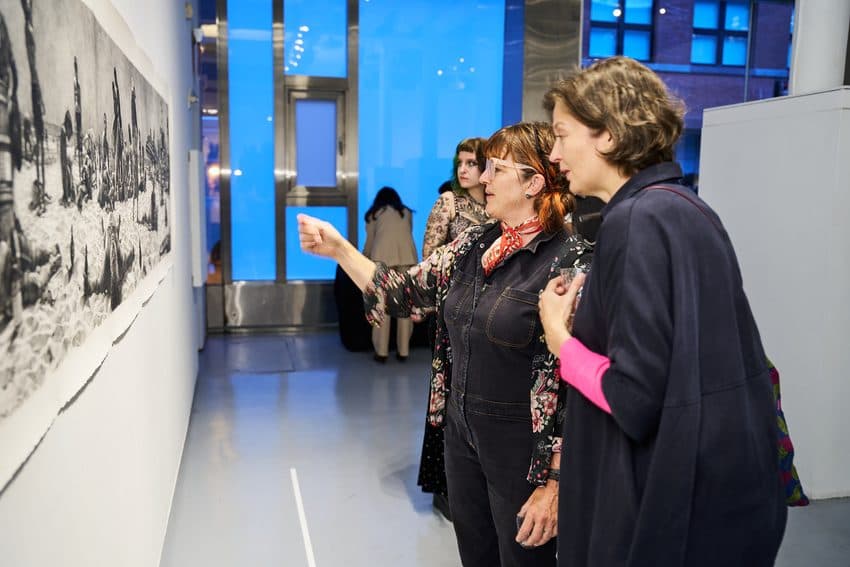
What to Know About Working with an Art Advisor

From an Artist’s Perspective
The art world can feel complex, even opaque, especially when you’re trying to understand how artworks move from the studio into collections, galleries, and exhibitions.
Behind the scenes, there are multiple figures shaping that journey: galleries, curators, collectors… and often, art advisors.
But what does that actually mean for you, as an artist?
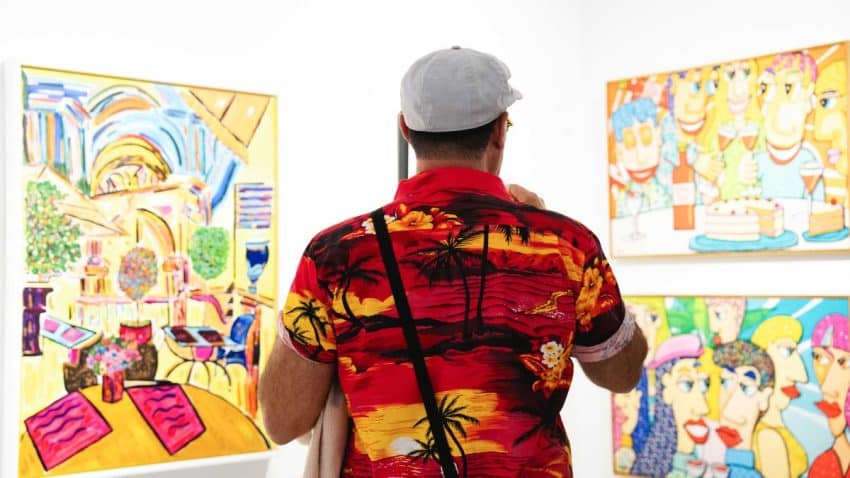
Understanding the Role of an Art Advisor
An art advisor (or art consultant) typically works on behalf of collectors.
Their role is to:
- guide acquisitions
- evaluate artworks
- navigate galleries and art fairs
- and help build cohesive collections
They act as intermediaries between the market and the buyer, translating artistic value into informed decisions.
For many collectors, especially those building or expanding a collection, this guidance is essential.
Why This Matters for Artists
Even if you never directly interact with an art advisor, their influence is real.
They often:
- recommend artists to collectors
- shape purchasing decisions
- and filter what gets attention in the market
In other words, they are part of the ecosystem that determines which works are seen, and collected.
Understanding how they think can help you position your work more effectively.
What Art Advisors Look For
While every advisor has a different approach, there are recurring factors they consider:
- Clarity of artistic direction
Does the work feel intentional and developed? - Consistency across the portfolio
Is there a recognizable language or evolution? - Professional presentation
Is the work ready to be shown, installed, and collected? - Context
Has the artist exhibited? Where has the work been seen?
This overlaps significantly with what galleries look for, because both are evaluating not just the work, but its place in the broader art landscape.
The Role of the Gallery
This is where the relationship becomes even more relevant.
Galleries, such as Agora Gallery, play a key role in building credibility and visibility for artists.
For art advisors, galleries often act as:
- a marker of quality
- a trusted source
- and a filter for selection
Being exhibited within a professional gallery context can significantly impact how your work is perceived by advisors and collectors alike.
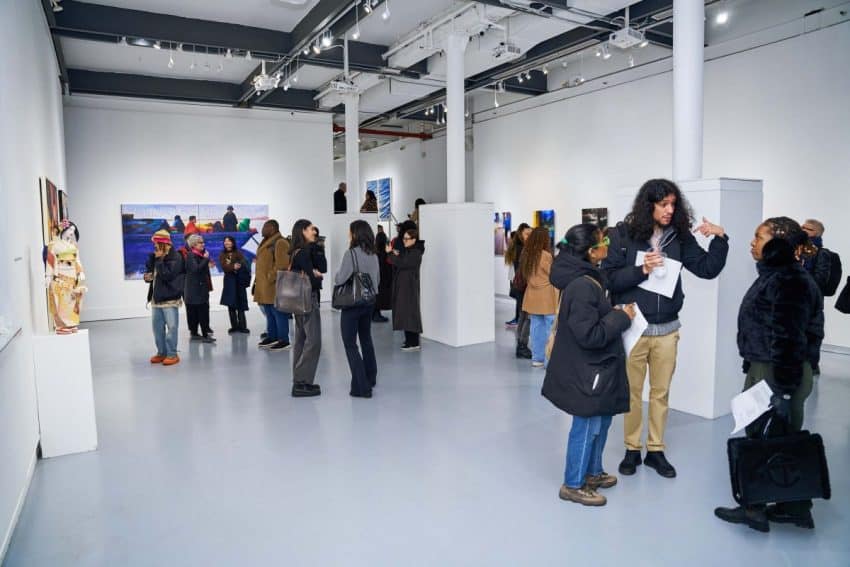
Art Advisor vs Art Dealer: What’s the Difference?
It’s important to distinguish between these two roles.
- Art advisors work for collectors
- Art dealers (galleries) work with artists
While advisors focus on acquiring the right work for a client, galleries focus on:
- developing artists
- presenting their work
- and creating opportunities for visibility
At AGI Fine Art, our role sits within this second dynamic, supporting artists in entering and navigating professional contexts such as exhibitions and art fairs.
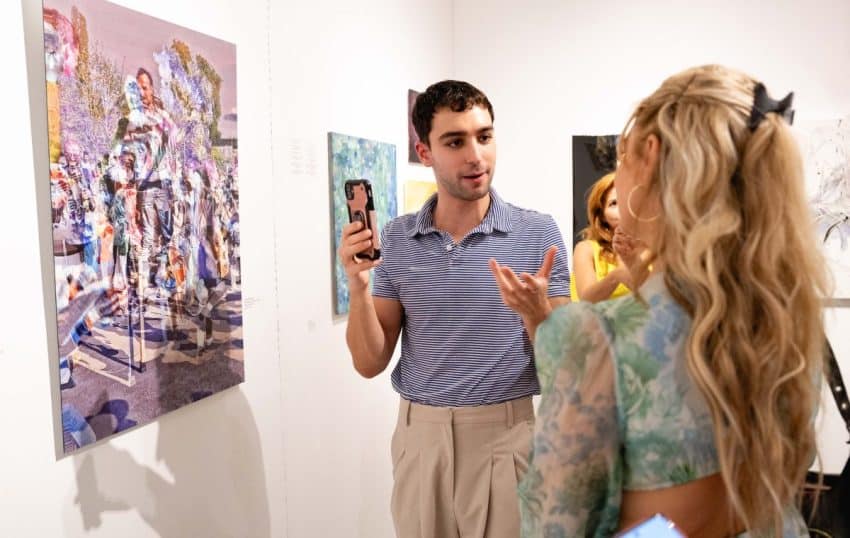
The Risk of Over-Filtering
There is also a more nuanced side to this system.
When collectors rely heavily on advisors, the market can become:
- more curated
- but also more uniform
This is why strong artistic identity still matters.
Ultimately, even within a structured system, what stands out is work that feels:
- authentic
- distinctive
- and fully developed
Where You Might Encounter Art Advisors
Art advisors rarely announce themselves, but they are often present in key moments of the art world.
You’re most likely to encounter them in contexts such as:
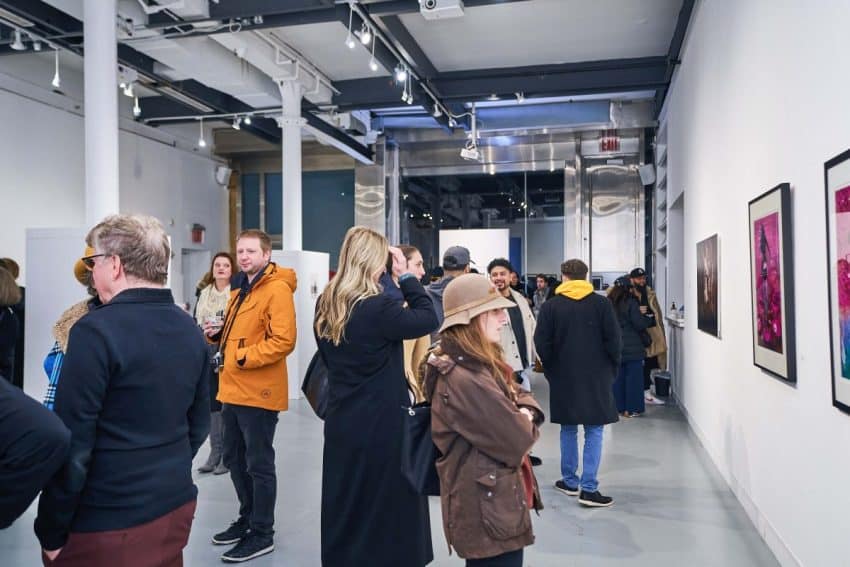
- Gallery exhibitions
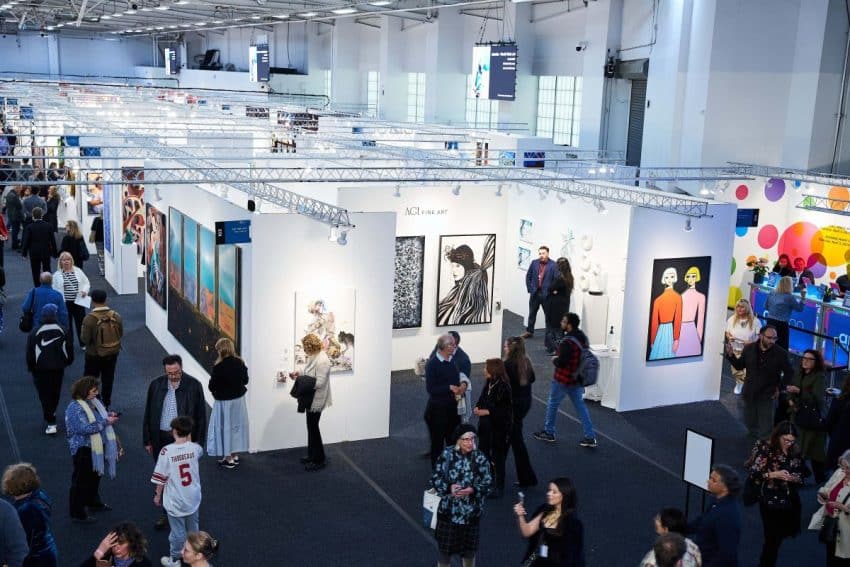
Especially in established districts like Chelsea in New York, where collectors often visit with advisors - Art fairs
Advisors frequently attend fairs to discover new artists and acquire works on behalf of their clients - Private viewings and openings
More intimate settings where decisions are often made more quickly - Curated exhibitions and international programs
Contexts where artists are already pre-selected and positioned professionally
Even if you don’t know who they are, they may be looking at your work, evaluating its potential, its presentation, and how it fits within a broader collection.
So, Where Do You Fit In?
You don’t need to “target” art advisors.
But you do need to understand the ecosystem you’re entering.
Because your work will be seen not only by galleries and audiences but also by the people who influence what gets collected.
Moving Forward as an Artist
Building a career in the art world means more than creating strong work.
It means positioning that work in the right context, where it can be understood, supported, and ultimately collected.
At AGI Fine Art, we work with artists to help them take that step:
from studio practice to professional visibility.
Ready to Take the Next Step?
If you feel your work is evolving toward a more professional level,
and you’re starting to consider how it might exist within galleries, exhibitions, or art fairs,
We invite you to explore our current open calls.
Each opportunity is designed to connect artists with real audiences, in real contexts, from New York to international platforms.
Get the next article and open calls
A few times a year. Unsubscribe anytime.
Questions? Feedback? Thoughts on this article, or a topic you’d like us to cover?