What Happened to NFT Art?

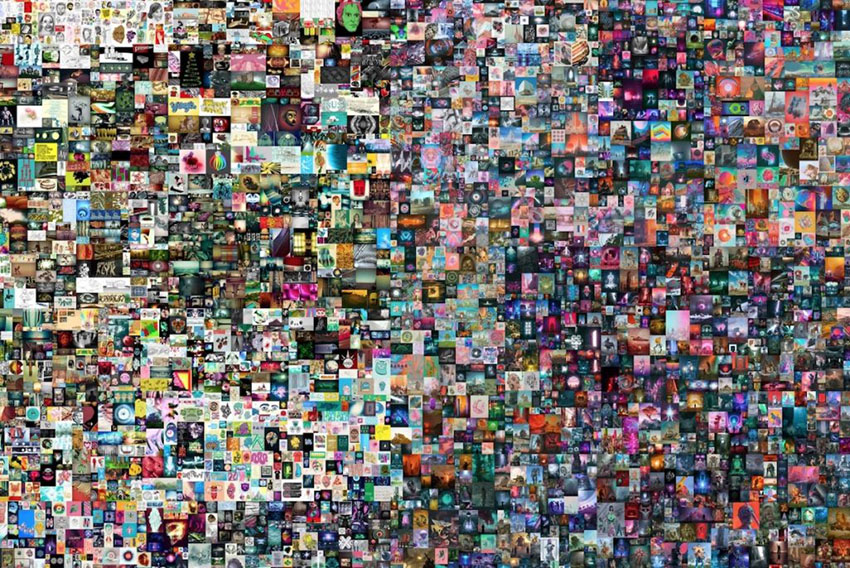
Just a few years ago, NFT art was at the center of a global conversation. In 2021, headlines were dominated by record-breaking sales like Beeple’s Everydays – The First 5000 Days, which sold at Christie’s for $69 million. Artists, collectors, galleries, and even museums rushed to explore this new frontier. Crypto marketplaces exploded, startups launched overnight, and NFT platforms promised a future where digital ownership would reshape the art world forever. But now, almost five years later, many are asking the same question: What happened to NFT art?
The Rise and Fall of a Hype Cycle
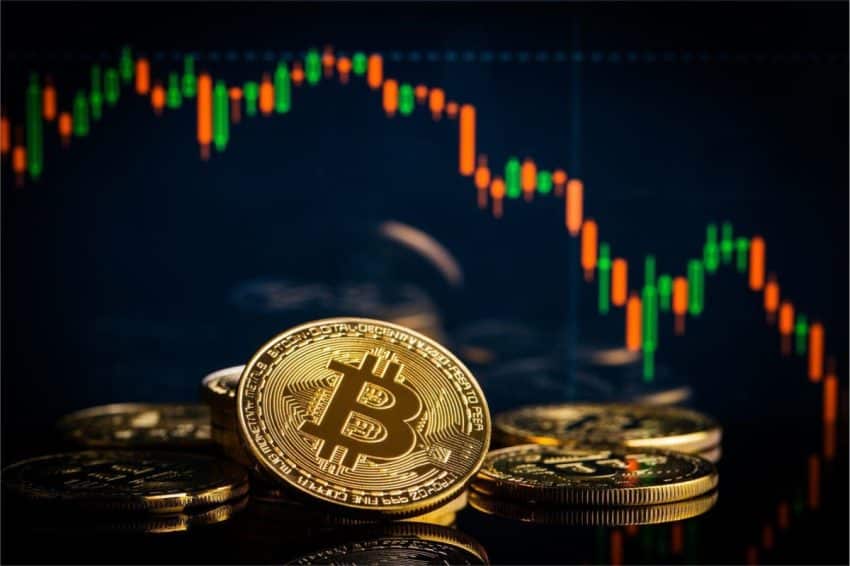
The NFT art boom was closely tied to the cryptocurrency market. As Ethereum and Bitcoin surged in value, so did the perceived worth of digital art minted on the blockchain. But with the collapse of major crypto platforms and a significant market correction starting in 2022–2023, both interest and investment in NFTs plummeted. The “gold rush” moment of NFT art faded, and with it, many of the speculative buyers and quick-flip collectors.
In the art world, NFT conversations shifted from excitement to skepticism. High-profile scams, unauthorized minting of artworks, and questions about long-term value raised concerns. Artists who had once benefited from royalties and visibility through NFT platforms suddenly found themselves without an audience, or without sales.
NFTs Didn’t Disappear, But They Evolved
Despite the crash in hype, NFTs haven’t vanished. Instead, their role has changed. Today, NFTs are less about financial speculation and more about utility: proof of ownership, digital certification, and integration with virtual exhibitions or immersive experiences.
Some artists still use blockchain to authenticate limited editions or offer collectors perks like behind-the-scenes content or augmented reality add-ons. Others have moved toward eco-friendly blockchains or platforms with tighter curation and legal safeguards. Museums and galleries that experimented with NFTs are now more cautious, often integrating digital artworks into their traditional programs only when meaningful.
The Physical Art Market Endures
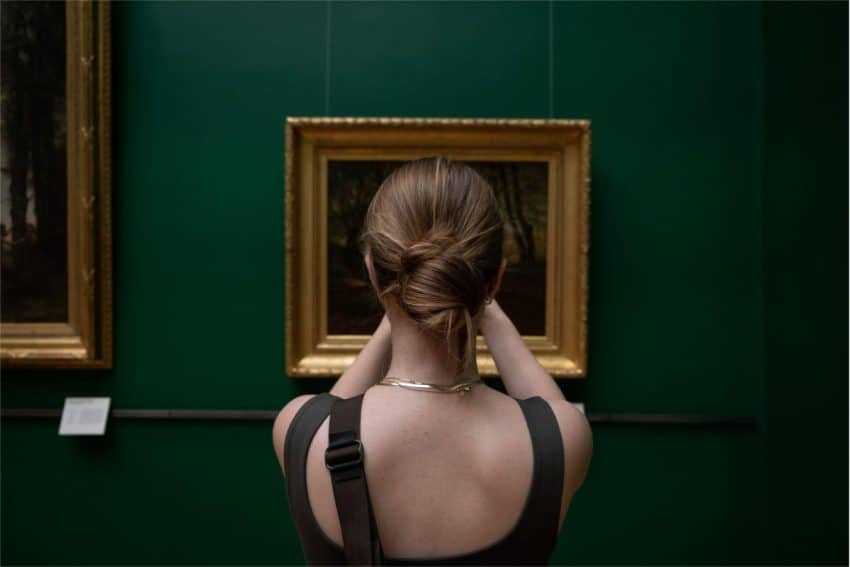
If anything, the NFT era reminded us of the enduring value of tangible art. While NFTs created a new type of visibility for digital creators, they could never replace the emotional, spatial, and material presence of physical artworks. Most collectors, and institutions, ultimately reaffirmed their commitment to art that can be experienced, not just owned.
This doesn’t mean digital art is dead. Quite the opposite: it continues to evolve through video, immersive installations, AI-based creation, and yes, sometimes, blockchain. But the assumption that NFTs would become the dominant model for art sales has clearly proven false.
So, What Happens Next?
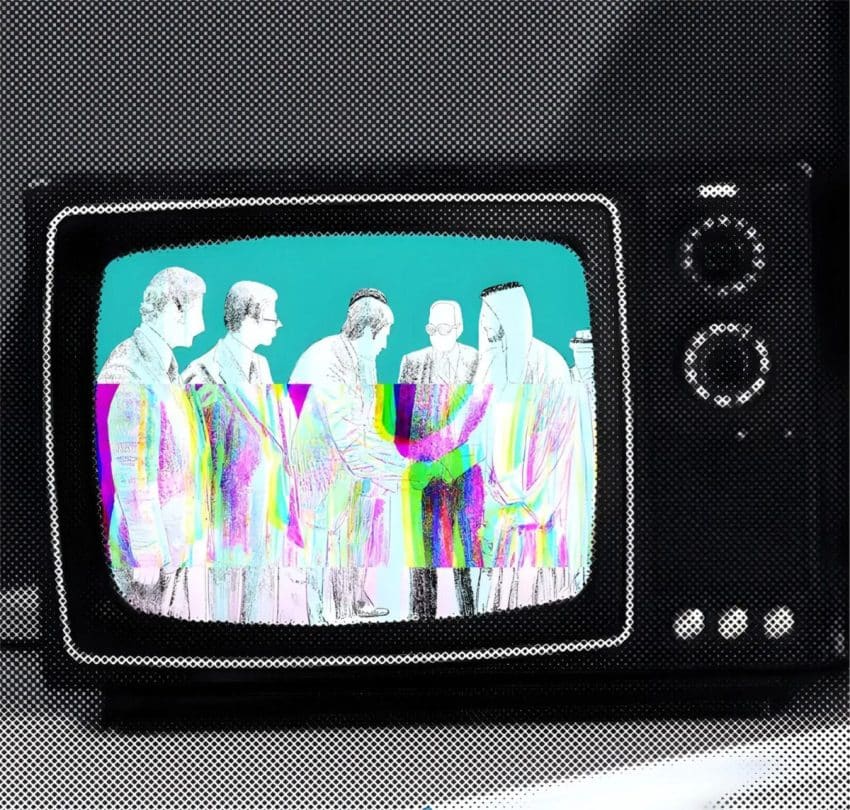
NFTs may have lost their cultural dominance, but their underlying technology still holds potential. Artists who embrace innovation continue to explore how blockchain, AI, and immersive formats can expand storytelling, interaction, and audience engagement.
In retrospect, the NFT explosion was both a wake-up call and a stress test. It challenged institutions, opened conversations about digital rights and artist compensation, and expanded the idea of what art can be. But it also revealed how quickly hype can outpace sustainability.
At AGI Fine Art, we continue to support artists who innovate with intention, whether their medium is oil on canvas or code on a blockchain. What matters most isn’t the format, but the vision behind it.
We Want to Hear from You
Have you ever created or collected NFT art? Do you think there’s still a place for it in the future of the art world? Drop a comment here below and join the conversation.
Looking to grow your career as a contemporary artist? Explore our open calls and discover how AGI Fine Art can help you reach new audiences worldwide.
Get the next article and open calls
A few times a year. Unsubscribe anytime.
Questions? Feedback? Thoughts on this article, or a topic you’d like us to cover?