The Art Of Buying Art
Anyone can purchase an artwork and hang it on a wall, but to be a truly satisfied and successful collector, there are several rules of the trade you should know. Buying art the right way can make a big impact in your life, either aesthetically or as an investment. Agora Gallery has been connecting artists with collectors for over forty years, and for those of you who are new to the art-buying world, we are here to help.
Why buy art?
When you decide to become an art collector, you need to identify why exactly you want to start acquiring art.
For one thing, buying art can be a great investment: it will last a lifetime (even longer, if you bequeath it to family and friends), and if you buy the work of an emerging or mid-level artist, you may see a significant increase in the value of the work at a future date. There are many collectors whose intent when buying art is to build up a collection that will grow in cultural and fiscal worth as the artist gains notoriety.
If you are just starting out and you’re looking to invest in art, you will need to know who the artist is, if the work is in the primary or secondary market (that is, will you be the first owner, or was it owned previously?), the rarity, the medium, the period of the artist’s work (for example, Picasso’s Blue Period is one of his best known and thus, those works tend to be more expensive), and the reputation of the gallery or auction where you are buying it. Just like stocks, you can never truly know if the value of an artwork will go up or down, so you should only buy artwork as an investment if you have the cash to spare. If you did not study art and have no background in the field, your best bet is to work directly with a professional art advisor.
Of course, there are less economical reasons to purchase art. Many collectors buy art based on their own aesthetic and emotional responses to the artwork and the personal value that they feel the art carries. They buy it, simply, because they love it. For these collectors, the act of buying an artwork is deeply personal. They purchase works that they not only want to have for themselves but also to share with those closest to them. It’s important to remember that art can be more than something aesthetically pleasing – art can change the feeling of a room, start a conversation, keep the memory of a time or place alive, and even inspire creativity in the viewer.
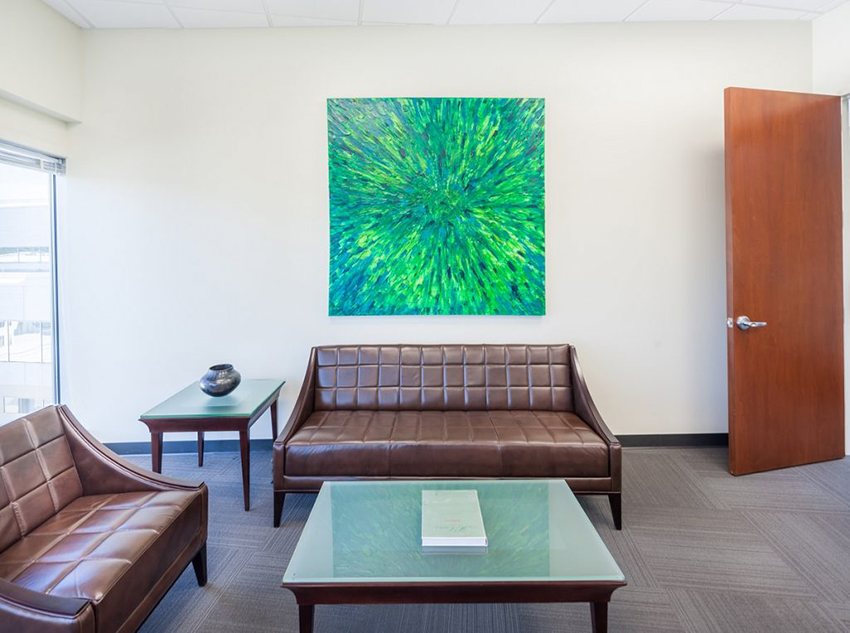
Finally, one of the more common reasons to buy artwork is, of course, to decorate a home or office. While some people are happy decorating their walls with mass-produced posters or wall decorations, others find that an original artwork adds more character to a living space. Original artwork has even been shown to make a difference in productivity in the workplace. Designing with original art, whether in the office or at home, ensures that your space is one-of-a-kind and personal. It’s the best way to add true personality to any room.
Avid art collector Stephen Schwartz makes a point of purchasing artworks specifically to be hung around the office spaces of his company, Criterion Management LLC. He has expressed the significance of having art in the workplace since the beginning of his career almost 40 years ago, and now says, “Art humanizes a business, softens the edges, and provides a stimulating work environment for our employees and clients alike.” Whether it be in a restaurant, a home or an office space, the concept is the same: the art is setting the tone of that special place.
For the sake of this article, we are going to assume that as a first-time buyer, you are more interested in the second two reasons: decoration and emotional connections. Keep your eye out in the future for an article about buying art as an investment.
Stay in touch with us! Our Newsletter is packed with inspiring stories, art tips, and Agora Gallery’s latest exhibition announcements.
“What Kind Of Art Should I Buy?”
You don’t have to have a PhD in art history to figure out what kind of artwork you want to buy. However, it is good to gain a basic understanding of different periods of art, of contemporary artistic styles, and the different types of mediums available before you make a purchase.
We’ve provided this guide to start you out, but the best way to get a sense of what artwork speaks best to you is to go to galleries, museums, and studios and get a feeling for these works in person. Once you’ve begun to develop your own artistic tastes, you will have conquered what many consider the most difficult part of buying art.
The act of visiting these galleries and studios is two-fold: not only are you learning more about your own taste, but you should also use this opportunity to create relationships with gallerists – especially when you like the work that you see. This will help you further down the road, once you’re ready to start wheeling and dealing.
Paintings
|
Pros |
Cons | |
 By Lena Adamina Waldau |
One-of-a-kind works (no reproductions) mean higher value Often lightweight and easier to install |
Materials may crack/fade over time Canvas can sag/stretcher bars can warp |
Photographs & Prints
|
Pros |
Cons | |
 |
Limited edition sizes make work more valuable Usually less expensive than paintings Weather- and time-proof if printed on certain materials |
Higher edition number decreases value Frames need upkeep |
Sculptures
|
Pros |
Cons | |
 By Şebnem Keçeli |
Highly valuable Good for outdoors Make a big impression |
Not pet- or child-friendly Expensive |
Digital Art
|
Pros |
Cons | |
 By Vesna Peko Luketic |
Often less expensive than other media Growing medium with a big variety |
As a newer medium, it doesn’t have an established value Quality can vary |
Mixed Media
|
Pros |
Cons | |
 By Francis JOIRIS |
3D-elements give a great dimensionality Often highly energetic and compelling Wide variety of styles adds a great diversity |
Unpredictability of materials/upkeep/value Can be heavy |
Drawings & Illustrations
|
Pros |
Cons | |
 By Milena Tsochkova |
Equally original, but less expensive than painting Often black & white, which can be very elegant Smaller drawings can fit a tight space beautifully |
Can be a lower value than painting Can fade over time in certain light |
When decorating your home/apartment, it can be a great idea to mix and match different media, but you should keep some consistency to keep the tone of the room coherent. For example, try matching artwork by color, or by theme. We often see a “seaside” theme in bathrooms, or a food theme in kitchens. It can be equally important to match your artwork with the furniture you have. Hanging a vibrant abstract work over a loud-patterned sofa can be a disastrous mistake.
Where to buy artwork
There are many places where you can buy artwork. You can look online, at auctions, in artists’ personal studios, at art fairs/events, in local shops, or in a gallery. Each destination has its own advantages and limitations. For example, one can typically negotiate better in person than online, but websites will typically offer a greater variety and it’ll be much easier to browse. Visiting artists’ studios will let you get to know the artists better, but it can often be difficult to find a studio, especially if you don’t know the artists to begin with.

Auctions can be exciting, fun events, and they’re a great place to see really rare and expensive art. At auctions, you’ll be competing against many other collectors and you will have to think fast about how much you’re willing to spend, and on what. For most auction houses, you need to be a well-established collector to even get your foot in the door.
A great way to become a regular collector is to buy artwork from galleries. You can develop long-term relationships with galleries that you like, as they will be able to recommend future artworks by new artists based on your established tastes. As they work closely with the artist, the gallery staff can answer any specific questions that you might have. They can work with you to find the best piece within the palette, size, or style that you are interested in. Some galleries even specialize in specific media or subject matters, so you can rest fairly safe knowing that if you like their work once, you will again.
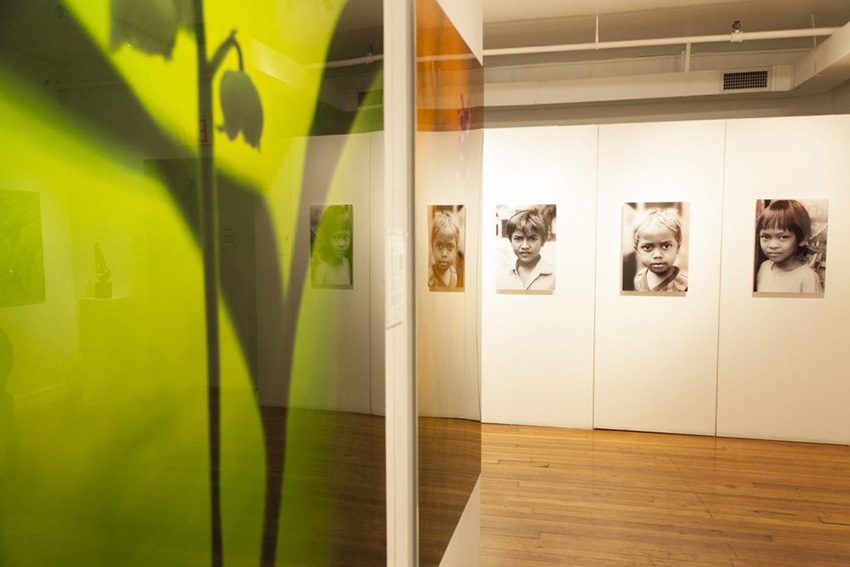
Other galleries will often present a larger variety of artworks. This has its advantages, as well, as you can learn about new trends in artwork and constantly expose yourself to new things that you may enjoy. Agora Gallery, for example, regularly holds collective exhibitions with a variety of different styles and media, but we also have recurring exhibitions like “Illumination: An Exhibition of Fine Art Photography” or exhibitions organized by the country of origin of the artists. For specialized collectors, these exhibitions are very popular. However, for prospective buyers looking for varied collections, our other shows are fantastic opportunities to discover new artists and works.
You can do a simple search on Google or Yelp to find galleries in your area. Take the cards/catalogs from galleries you like, so you can keep track of the hits/misses of your research. Start with an open mind, and once you narrow down your interests you can start looking for specialist galleries.
How to buy artwork
Once you’ve begun to take notice of the world of art collecting, you should keep in mind these 10 basic rules when looking for an artwork to buy:
1. Have a budget, but be flexible
Artwork can range vastly in cost, and it will depend on previous sales of that artist, the time it took to create the piece, the size, and the medium. If you know ahead of time how much money you’re willing to spend, you can save a lot of time by eliminating works that are out of your budget.
2. Try to decide on the size, style, medium, or color palette that you are interested in
This is specifically important for artwork that will be decorating a space, and it’s even a good idea to take a photograph of the room to bring to galleries. Take measurements of your walls, and even the furniture in the room, as this will greatly help in visualizing and purchasing any piece.
3. When possible, try to see the artwork in person
Sometimes, when you’re buying art online, it may not be possible to see the work in person. Many galleries also have a “backstock” of art that is stored off-site. However, by attending exhibitions or even seeing similar artwork by the same artist in person, you’ll have a much better idea of what you’ll get.

4. Look for the red dot
If an artwork has already been sold, it will be marked with a red dot. This piece may not be available for purchase, but you can ask the gallerist if the artist has other works, or if there are similar pieces by other artists available. Artwork that has been sold can indicate that this artist may be popular, or that their works may become valuable in the future.
5. Negotiate the price, but remember that any discounts will decrease the amount of money given to both the gallery and the artist.
Some galleries negotiate costs, but many do not. You can always mention it to get a sense, but if they don’t budge on the price, don’t push it. Sales are often the livelihood of an artist, so sometimes there is just no room to bargain.
6. Supplement your gallery experiences with online research.
You may find more works by the same artist by looking on the gallery’s website. You can try to compare prices, research the artist’s biography, or browse similar artists on the internet.
7. Find out if the artwork is built to last
Start by making sure any materials, especially paper, are qualified as “archival,” which means that it is chemically stable and will last a long time. See if there are any display restrictions set by the artist and check the backing for any damage or signs of insects or mold growth.
8. Hire an art consultant
If you’re feeling overwhelmed or if you don’t have the time to look, hire an art consultant who can give guidance in investing and building your art collection.
9. Once you have purchased the artwork, keep all of the paperwork and documentation including the receipt, as this is what can be later used to authenticate and appraise the artwork.
10. Make sure the painting is packed appropriately for shipping!
Watch our video tutorial on how to pack paintings for shipping →
When you get the hang of the basics, you should start to think about what it takes to find that perfect piece (hint: it’s all about buying something that you love).
How to tell if you’re buying the right art
Did you see an artwork that has been on your mind ever since you left the gallery? If you stumble upon a piece that sticks with you, that makes you step back or lean in, then this may be the piece for you. Trust your instinct. The best works are ones that you can keep coming back to.
Maybe they trigger a memory for you, or maybe they remind you of a person you love. Whatever it is, these are the works that emotionally speak to you, and that is the best kind of work to have.
We all have a unique perspective on what is “good” art, so do not let anyone bully you into buying an artwork that you aren’t feeling. Even if somebody is an expert and says that an artwork is valuable or beautiful, if you don’t like it then you shouldn’t buy it. You are the one who has to live with it, and you should only decorate your walls with works that speak to you on a personal level.

1. Learn about the artist
Knowing the story of the artist or the artwork brings an intimacy and value that goes beyond the visual interest. When you buy an artwork, you are buying the hours, days, even years of creation and experimentation, frustration and joy. It may sound creepy, but you really are buying a piece of the artist, of their soul. So take the time to learn about who and what you are investing in.

The best way to do this is to meet the artist one-on-one. Opening receptions are the best places to meet artists and speak with them about their work. Ask about their influences, their artistic journey, and what the work means to them. However, if you can’t make it to one of these events, most galleries will have information available about the artist: printed materials, write-ups, interviews, or their artist statement. Ask the gallerist or curator, as well, and hear about their personal interactions with that artist.
2. If you aren’t ready to invest, ask about paying in installments or leasing artwork
Some galleries will allow you to pay for an artwork in installments, and there is no harm in asking to see if that would be a possibility. Having the opportunity to lease one (or multiple) artworks will give you the opportunity to see how the artwork actually fills the space, if it compliments your decor or the general mood you were hoping to emphasize. Once you’ve found the perfect match, you can speak with the gallery to finalize the purchase and add it to your permanent collection!
Looking to develop your artistic career and build a presence in New York City and worldwide? Book an online career development consultation meeting today.
If you are interested in building your art collection, make sure to check out ARTmine.
Get the next article and open calls
A few times a year. Unsubscribe anytime.
Questions? Feedback? Thoughts on this article, or a topic you’d like us to cover?