Painting at Home: How to Make it work

In its simplest form, an art studio is a dedicated space where creativity comes to life, allowing artists to work and produce their masterpieces. However, studios can be pricey, with costs varying based on location, size, and amenities, especially in big cities. There are also extra costs for utilities, insurance, and maintenance. For many artists, creating a painting space at home is a more affordable and convenient option.
Whether it’s for comfort or cost-cutting, painting at home can be a deeply rewarding experience, allowing you to express your creativity without the constraints of a formal studio setting. For both seasoned and beginning artists, setting up a productive and enjoyable home painting environment is key to making the most of your creative time.
Here is a guide to how you can transform your home into a functional painting space, ensuring you have everything you need to create beautiful works of art:
1. Choosing the Right Space
Location
The first step in establishing your home painting space is selecting a congenial location. Aim for a room or corner that you can fully dedicate to your art, ensuring it’s spacious enough to work comfortably and store your materials. Try to avoid high-traffic areas where you might get interrupted or accidentally knock things over. Most importantly, choose a spot where you feel most comfortable. It could be somewhere with a nice view or a place that makes you feel relaxed and inspired.
Lighting
Good lighting is important for your painting space. Natural light is ideal as it accurately reveals colors and reduces eye strain. If natural light is limited, invest in high-quality artificial lighting. Daylight bulbs or adjustable lamps that mimic natural light can do wonders. Make sure to position your lights to minimize shadows and provide a clear view of your work from all angles.
Ventilation
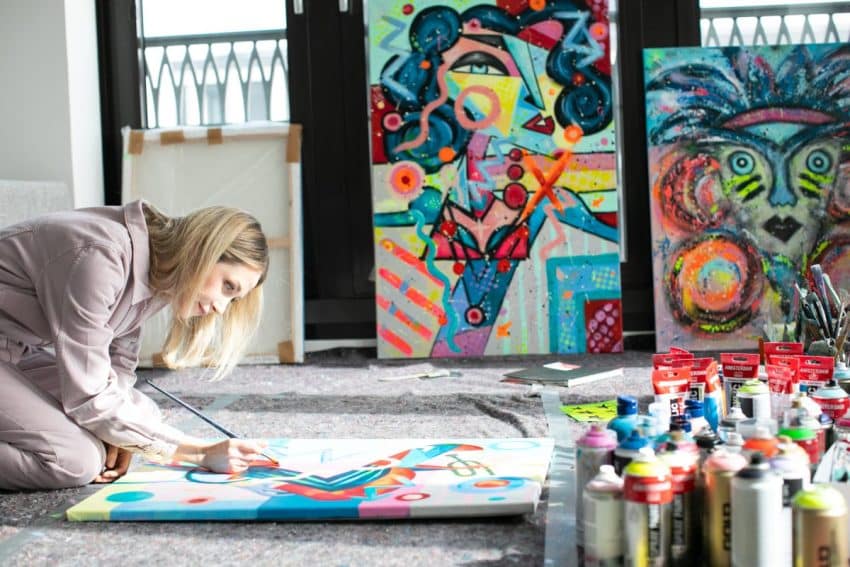
It is important to have a well-ventilated area, especially if you’re using oil paints or other materials that release fumes. You must ensure your painting area has proper airflow, either through windows or an air purifier. However, if you’re painting in a confined space, you may consider installing a small fan to keep the air fresh and reduce any potential health risks.
2. Setting Up Your Painting Space
Workspace Layout
When setting up your workspace, focus on maximizing accessibility and minimizing interruptions. Position your easel centrally, allowing ample space for movement. If space is tight, consider using a compact or tabletop easel. Keep frequently used supplies within easy reach to avoid unnecessary bending or stretching; storage solutions like shelves, bins, or rolling carts can help. Designate specific areas for mixing paints and drying finished works. Comfort is crucial, so ensure your easel and chair are ergonomically suited to your needs. An adjustable chair with good lumbar support can help prevent back strain.
Protecting Your Home
To protect your home from paint spills, set up a dedicated area for mixing paint. This will help prevent accidental splashes on your furniture, floors, or carpet. Cover floors and furniture with drop cloths to catch any stray paint, and use masking tape to shield walls and trim. Investing in protective covers for nearby furniture and surfaces can also help guard against splatters.
3. Creating a Routine and Staying Motivated
Scheduling Time
When working at home, it’s easy to get distracted by household chores, family members, or the TV screen. To make sure you stay on track and make the most of your creative time, implement and establish a regular painting schedule. Whether it’s an hour a day or a few hours a week, consistency helps build momentum and keeps your skills sharp. Find a time that fits your lifestyle and stick to it as closely as possible.
Setting Goals
It’s important to set achievable goals to keep your spirits high. Whether it’s completing a certain number of paintings each month or mastering a new technique, having clear objectives can provide a sense of direction and accomplishment. Keep track of your progress and celebrate your successes along the way to stay motivated and inspired. Whether you celebrate your milestones personally or share them on your social media, blog, or newsletter, recognizing your achievements can boost your morale and keep you moving forward.
Maintaining Motivation
Staying inspired can be challenging, so it’s important to find ways to keep your creativity flowing. Surround yourself with things that inspire you, such as art books, color swatches, or inspirational quotes. Join online art communities or local art groups to share your work and gain feedback. Sometimes, taking a short break or trying a new medium can reignite your passion.
4. Managing Cleanup and Maintenance
Cleaning Supplies
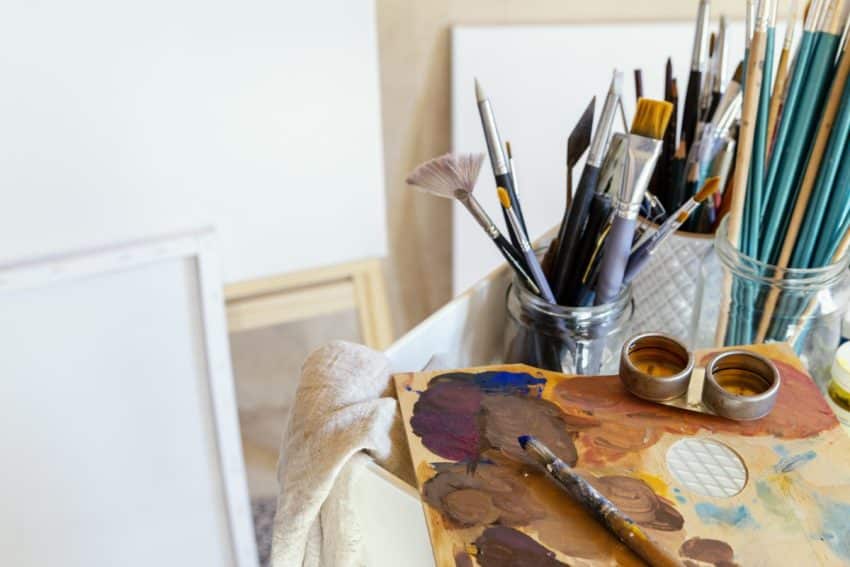
Proper care for your tools extends their lifespan and keeps your workspace in good condition. Clean brushes thoroughly after each use, and follow specific instructions for the type of paint you’re using. For acrylics, wash brushes with soap and water, while oil paints require solvents. Clean your palette regularly to prevent color contamination.
Safe Disposal
Dispose of paint and other materials properly. Many types of paint are considered hazardous waste and should be taken to designated disposal sites. Follow local guidelines for the proper disposal and recycling of painting supplies. Avoid pouring paint down the drain, as it can damage plumbing and harm the environment.
5. Maintaining Your Space
As the saying goes, a messy room is a messy mind. Maintaining a clean and organized workspace can help you stay focused and more productive.
Keep your painting area tidy by regularly cleaning up spills, organizing supplies, and maintaining your tools. A clean and well-organized space not only makes painting more enjoyable but also helps you work more efficiently. Make a habit of tidying up after each session to ensure your workspace is always ready for your next project.
Creating a productive and enjoyable painting space at home involves more than just having the right supplies. By choosing the right location, setting up your space thoughtfully, and maintaining a consistent routine, you can make the most of your creative time and produce stunning artwork. Remember, the key to a successful home studio is a combination of practicality, comfort, and inspiration.
Wherever you are, our tips will set you up for a thriving home studio while saving you money. So, roll up your sleeves and let the painting begin!
Get the next article and open calls
A few times a year. Unsubscribe anytime.
Questions? Feedback? Thoughts on this article, or a topic you’d like us to cover?