Lighting Techniques for Artists
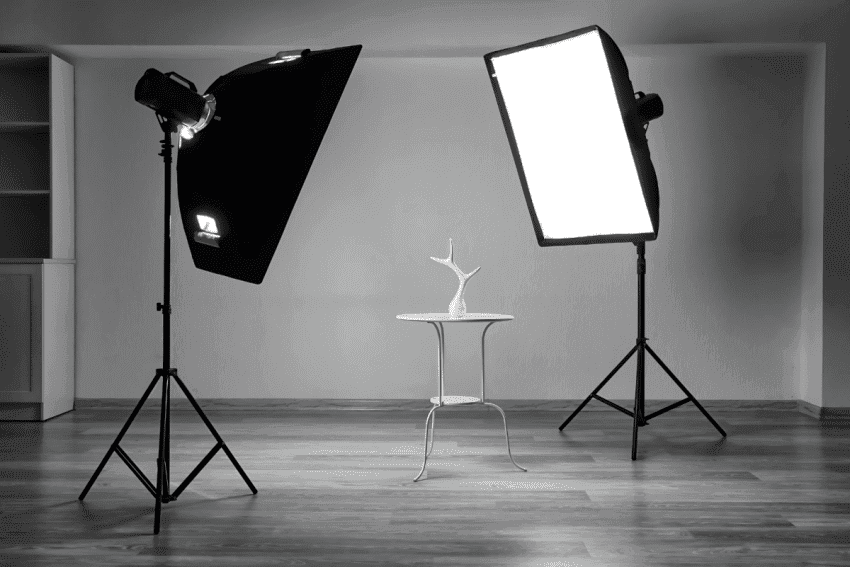
Light defines form, reveals texture, and introduces depth, transforming a flat scene into a dynamic visual experience. Light dictates what your camera sees: its absence or presence can make or break a design, affecting everything from contrast and balance to the overall mood.
Understanding design fundamentals like balance and contrast is essential when working with light. These principles dictate how light should be applied to emphasize important details and draw attention to specific elements. For beginners and seasoned artists, controlling light can lead to more expressive artwork.
Key Points for Professional Photographers
Mastering Three-Point Lighting
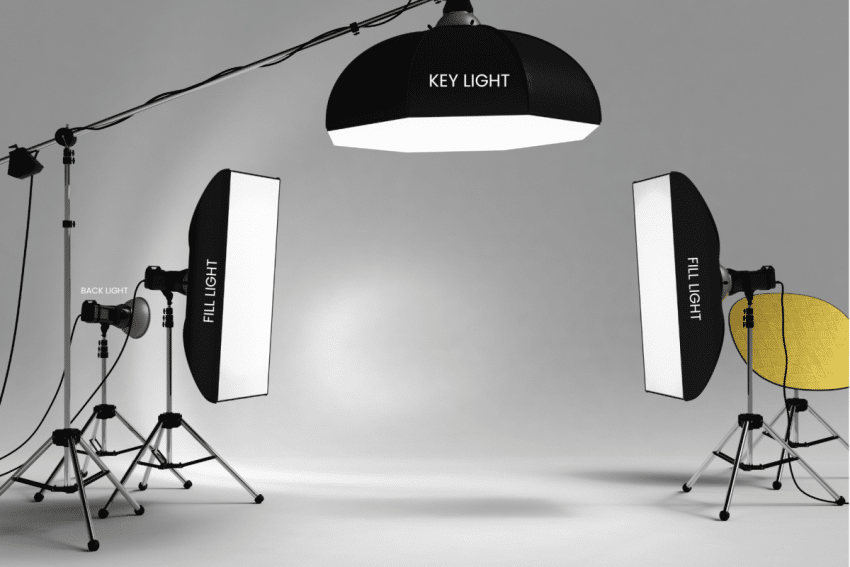
Three-point lighting is a fundamental setup used in photography to achieve balanced and professional results. This technique involves three light sources: the key light, fill light, and backlight.
The key light is your primary source, illuminating the subject and setting the tone. The fill light softens harsh shadows created by the key light, ensuring that details are visible without overwhelming the image. The backlight, positioned behind the subject, helps separate it from the background, adding depth and dimension.
Experimenting with the ratios of these lights allows for creative expression: reducing the fill light can create dramatic shadows while increasing the backlight can result in a beautiful halo effect around the subject.
Hard vs. Soft Light
Knowing when to use hard versus soft light can dramatically influence the mood and atmosphere of your photographs.
Hard light is characterized by harsh, defined shadows and stark contrasts, resulting in images that reveal texture and detail. Often produced by direct sunlight on a clear day or by harsh artificial sources like bare bulbs, hard light often conveys intensity and drama. It can be particularly effective in product photography, accentuating surface details and adding a dramatic edge to portraits, enhancing features and textures.
On the other hand, soft light creates a more gentle and diffused illumination, resulting in softer shadows and smoother transitions between light and dark areas. This effect can be achieved during overcast days when clouds scatter sunlight or through diffusers and softboxes that soften harsh light sources. Soft light evokes stillness and tranquility, making it well-suited for intimate portraits, landscapes, and still lifes.
Creative Use of Modifiers
Modifiers help you shape and control light, allowing for greater creativity in your photography. For instance, a snoot is a modifier that narrows the light beam, creating a spotlight effect that can add drama to a specific area of your composition. While a softbox diffuses light, producing a more even and flattering illumination. By incorporating these modifiers into your lighting setup, you can transform the atmosphere of your shots and better convey your artistic vision.
Gobos and Patterns
Gobos, or “GO Between Optics,” are devices used to project patterns or shapes onto surfaces. This technique can add visual interest and complexity to your images, especially when creating background textures or enhancing simple scenes. By experimenting with gobos, photographers can introduce a unique spin to their compositions, elevating them from ordinary to extraordinary.
Key Points for Aspiring Photographers
Natural vs. Artificial Light
When choosing between natural and artificial light, consider the specific goals of your shoot.
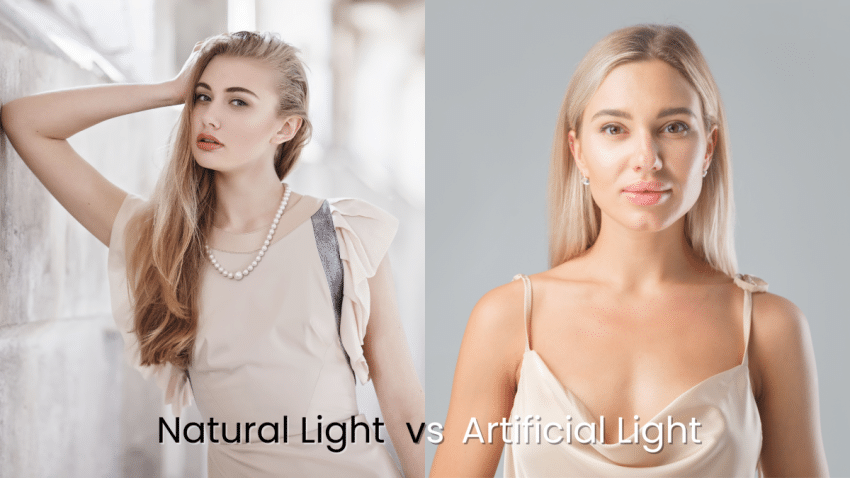
Natural light is the illumination provided by the sun, and its quality can vary significantly based on the time of day, weather conditions, and surroundings. For instance, early morning and late afternoon offer a soft, warm glow that can enhance the beauty of landscapes and portraits. On the other hand, overcast days create a diffused light that reduces harsh shadows, making it ideal for capturing detail without the risk of glare. This variability allows photographers to harness natural light creatively, producing different moods and effects in their work.
Conversely, artificial sources such as flash units, continuous lights, and LED panels generate artificial light. One of the key advantages of artificial light is its controllability; photographers can manipulate its intensity, direction, and color temperature to achieve the desired effect. For instance, using a softbox can diffuse the harshness of a direct light source, resulting in a softer glow that mimics natural light conditions. Additionally, artificial light can be positioned to highlight specific elements in a scene, allowing for greater creative freedom.
Directional Lighting
Exploring the angle of your light can dramatically change the mood of your photographs. Side lighting introduces drama and dimension, emphasizing the contours of your subject. Backlighting, on the other hand, creates a glowing outline around your subject, making it stand out and adding a sense of depth. Learning to manipulate the direction of light can enhance your ability to tell a story through your images.
Mastering Light Control with Modifiers
Light modifiers are essential tools that help photographers refine their work. Using modifiers such as softboxes, grids, or snoots allows for greater control over light quality, direction, and intensity. A softbox diffuses harsh light, producing a gentle, flattering glow on your subject, while grids concentrate light in a specific direction, enhancing depth and drama. By mastering these tools, you can craft the ideal mood for your images, whether capturing portraits, products, or artistic scenes.
The Power of Portability
For aspiring photographers, having portable lighting solutions is invaluable. Compact and lightweight lighting equipment enables you to create professional setups in various locations without sacrificing quality. Whether shooting outdoors, in tight spaces or transitioning between scenes, portability allows you to be flexible and ready to capture the perfect shot. This adaptability fosters creativity and efficiency, making your photography experience more enjoyable and productive.
Technical Tips
For professionals, attention to light fall-off is crucial. This term refers to how quickly light diminishes as it moves away from the subject. Understanding light fall-off is essential for achieving the right balance, especially in moody portraits or product shots.
For aspiring photographers, experimentation is key. Adjust the distance of your light source: bringing it closer will result in a brighter, harsher light, while moving it farther away creates a softer, more diffused spread.
Participate in the 6th Chelsea Photography Competition
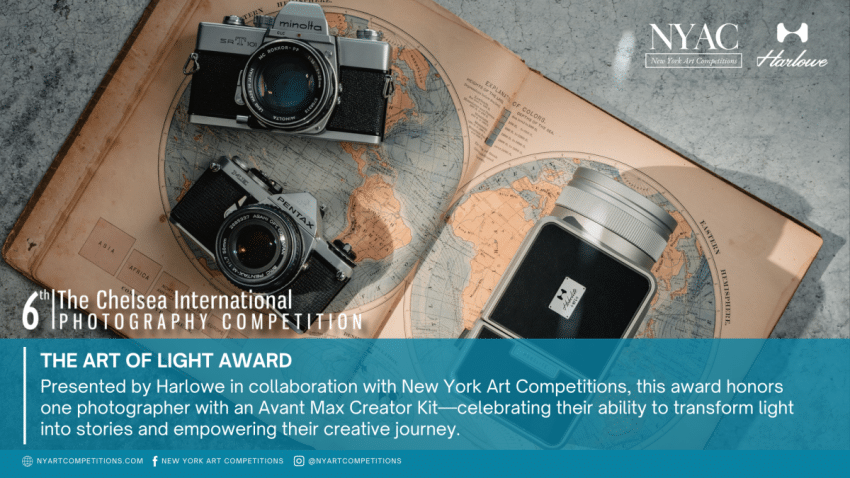
Whether you’re a professional or an aspiring photographer, AGI Fine Art is excited to invite you to participate in the 6th Chelsea Photography Competition, currently open for submissions until November 12. This competition offers a fantastic platform to showcase your work in one of New York’s prestigious art districts, exposing you to a global audience of art lovers and collectors.
In collaboration with Harlowe, the competition also features a special award, The Art of Light Award, for one photographer who demonstrates exceptional use of lighting in their work. The winner of this award will receive an Avant Max Creator Kit (Midnight), a professional-grade lighting kit designed to elevate your photography by giving you greater control over light and shadow.
This competition is an incredible opportunity to showcase your unique vision, gain recognition, and enhance your artistic journey. Don’t miss out: prepare your portfolio, enter the competition, and let your skill shine!
Get the next article and open calls
A few times a year. Unsubscribe anytime.
Questions? Feedback? Thoughts on this article, or a topic you’d like us to cover?