The Role of Light in Visual Storytelling
Light is the essence of photography, shaping how we perceive subjects, convey emotions, and define a scene’s mood. Of course, light is more than a technical component. It’s a vital tool for photographers to communicate, as layered and complex as the scenes they capture.
The interplay of light and shadow allows photographers to evoke feelings like nostalgia or suspense, guiding viewers through the narrative of each image. Mastering lighting nuances transforms ordinary moments into stories rich with depth and meaning.
So, whether you’re a seasoned professional or a beginner, understanding how to manipulate light can take your art to a new level.
For Professional Photographers
Setting the Scene
Light is the foundation of visual storytelling, influencing an image’s tone before other elements come into play. For instance, warm hues during the golden hour evoke nostalgia, while deep shadows create intensity. How you manipulate light directs your narrative, shaping the scene to reflect your vision.
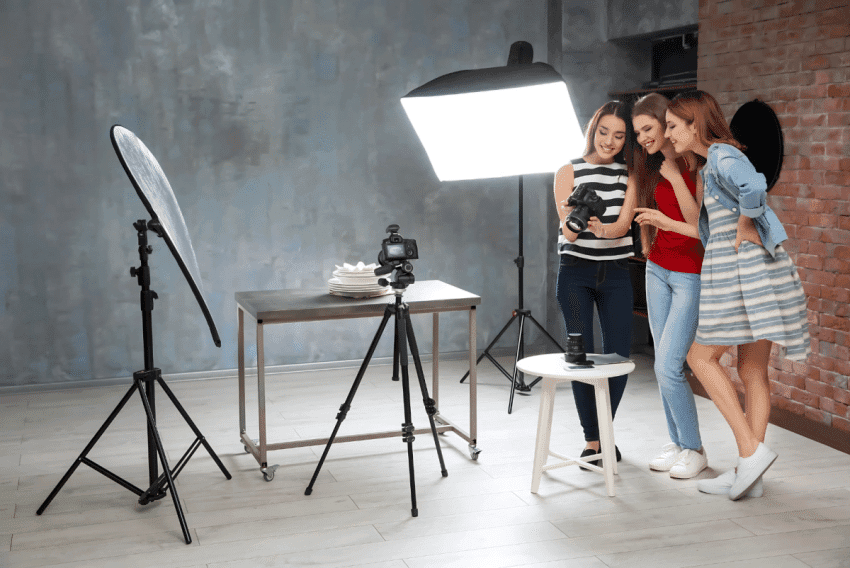
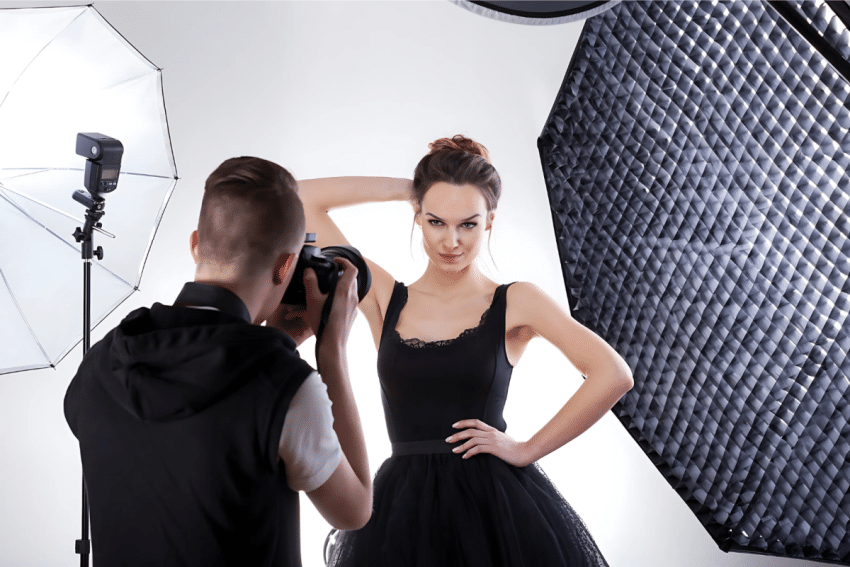
As a professional, you are likely familiar with both natural and artificial lighting. However, the true power of lighting lies in creative decisions, like where and how light interacts with your subject. Tools like reflectors and diffusers or simply positioning a key light can transform the feel of an image. The choice of light direction, intensity, and color temperature offers endless creative possibilities, guiding how your audience perceives the scene.
For example, harsh overhead lighting emphasizes raw emotion, while soft side lighting flatters and gently reveals detail. Knowing when to add drama and when to rely on subtlety is essential in storytelling through light.
Shaping Emotion
Light is also a powerful tool for evoking emotion. By carefully adjusting light sources, you can dramatically alter an image’s mood. A soft fill light can smooth out facial features for a calm and intimate feel, while low, directional light introduces tension, sharpening the subject’s expression and adding a sense of mystery.
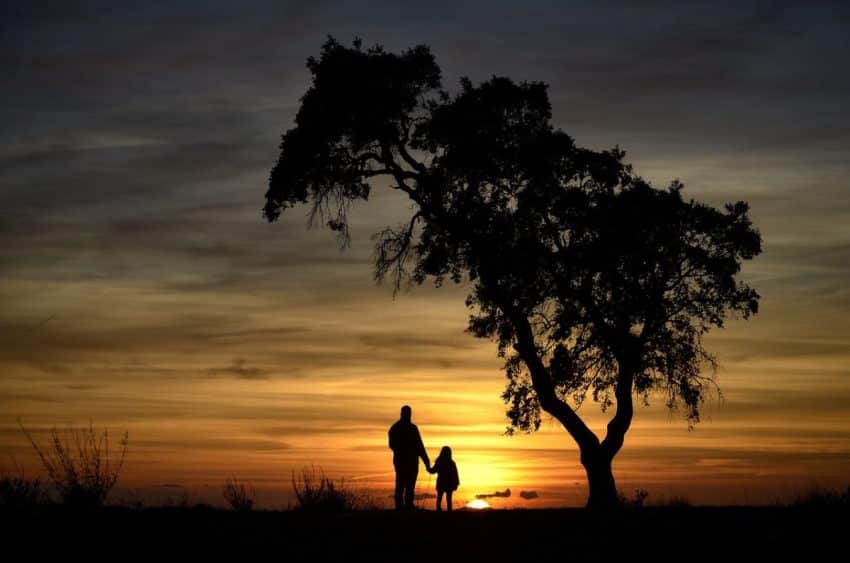
Backlighting is another technique that can change the feel of an image. Placing the light source behind your subject creates silhouettes that often exude drama and curiosity. These lighting decisions allow you to guide how your audience receives your work.
Manipulating Shadows
Shadows are as important as light in visual storytelling. They add depth and dimension, turning flat images into layered compositions. Hard, defined shadows introduce contrast and tension, while soft shadows create a serene atmosphere.
In portraiture, shadows across the face can suggest hidden emotions or complexity. Strong shadows conceal elements of an image, adding intrigue. For landscapes, shadows define the contours of a scene, adding texture and a sense of time. Your use of shadows will significantly influence the emotional tone of your work.
Dynamic Lighting
Incorporating movement into lighting adds dynamism, keeping your storytelling fresh. Shifting a light source during a portrait session can change the narrative: frontal lighting conveys confidence, while side or backlighting introduces vulnerability.
Dynamic lighting also adds complexity to storytelling, making images more engaging. By altering the light’s direction, you reveal different emotional states, from boldness to introspection.
For Aspiring Photographers
Start with Natural Light
If you’re new to photography, natural light is a versatile and accessible tool. As you practice, you’ll notice how natural light changes throughout the day. Early morning light is soft and flattering, while midday sunlight creates sharp shadows. Positioning your subject relative to windows or shaded areas gives you control over the mood of your photos.
Play with Contrast
Shadows are a simple yet effective way to add contrast and drama. Positioning your subject near a window allows for soft natural light on one side and gentle shadows on the other, adding dimension to your shots. Experiment with how light interacts with your subject to see how shadow placement changes an image’s tone.
As you develop your skills, experiment with both stark and subtle contrasts to evoke different emotions, from tension to calmness.
Experiment with Light Sources
You don’t need expensive equipment to experiment with lighting. Everyday items like desk lamps or flashlights can help you learn the basics. Experiment with backlighting and side lighting to create interesting shadows and highlights. Even small changes in your setup can significantly alter your photographs’ mood and impact.
The key is to be curious and observant, testing different sources, angles, and intensities to see how they change the scene.
Telling a Story with Colors
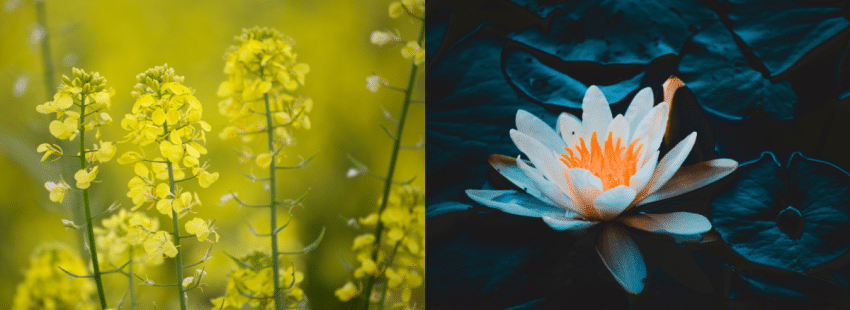
Lighting isn’t just about intensity or direction; color temperature also plays a role in storytelling. Warm, yellow light evokes coziness, while cooler, blue-toned light feels distant or sterile. By experimenting with different light temperatures, you can shape the emotional impact of your photographs.
Technical Tips About Lighting
For Professionals
Advanced photographers can enhance their work by using gel filters to manipulate color temperature and add creative effects. Gels allow you to push the boundaries of storytelling through light, introducing bold or subtle color tints to scenes.
For Beginners
Even beginners can use simple techniques to improve their lighting. For example, a basic white bedsheet can be used as a diffuser for harsh sunlight, softening the light and reducing shadows for a more balanced, professional look.
Participate in the 6th Chelsea Photography Competition
For photographers eager to showcase their work, AGI Fine Art is proud to announce the 6th Chelsea Photography Competition, now open for entry. This competition offers an incredible opportunity for professionals and aspiring photographers to share their skills and gain exposure to New York City’s art scene.
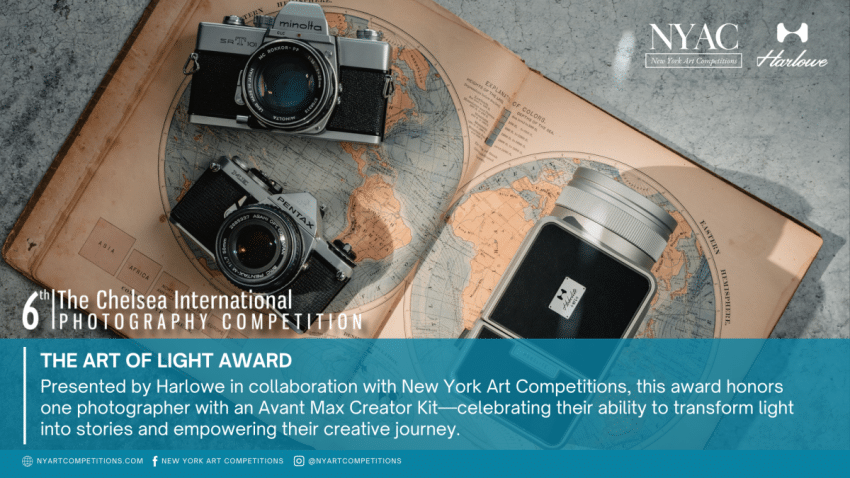
The competition’s deadline is November 12, offering the chance to exhibit your work in a prestigious gallery in Chelsea. This year’s competition includes a special award for the most innovative use of lighting: The Art of Light Award, presented by Harlowe. One selected photographer will receive an Avant Max Creator Kit: a professional lighting kit designed to enhance your control over light and shadow, allowing you to create images with greater depth and storytelling potential.
Whether you’re a seasoned professional or just starting out, the Chelsea Photography Competition is a platform to push the boundaries of creativity and showcase your unique perspective. Don’t miss this chance to take your work to the next level.
Get the next article and open calls
A few times a year. Unsubscribe anytime.
Questions? Feedback? Thoughts on this article, or a topic you’d like us to cover?