“Don’t Walk”: Jay Chung’s Acrylic Signal as Urban Reflection
After his vibrant contribution to Summer City Idyl in July 2025, Jay Chung returns to AGI Fine Art as part of our editorial collaboration with New York Art Competitions, this time with a powerful visual message captured in Don’t Walk, a work selected among the Editorial Highlights of the Metropolitan Melodies competition.
At first glance, the composition feels direct. A black box, two glowing words, and the neon-tinted surroundings of a city corner. But behind its immediacy lies an invitation to pause. By isolating a familiar visual command and transferring it onto a metallic surface, Chung transforms the language of movement into a meditation on presence.
The aluminum support is not a passive choice. It reflects, absorbs, and shifts with light, much like the ever-changing streetscapes it evokes. This material responsiveness makes Don’t Walk a living object: viewers don’t just look at it, they move with it.
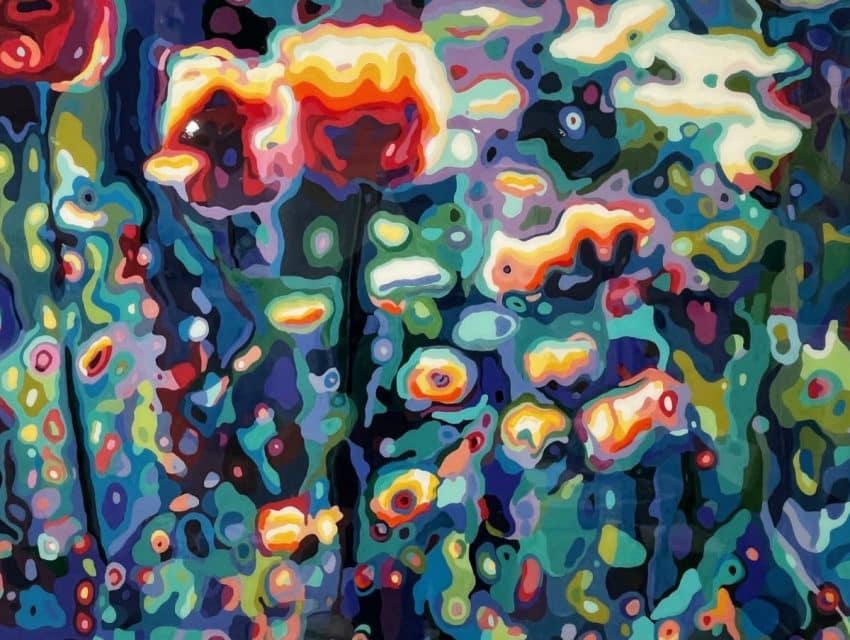
Nj, 2025, acrylic in resin on aluminum
18″ x 24″
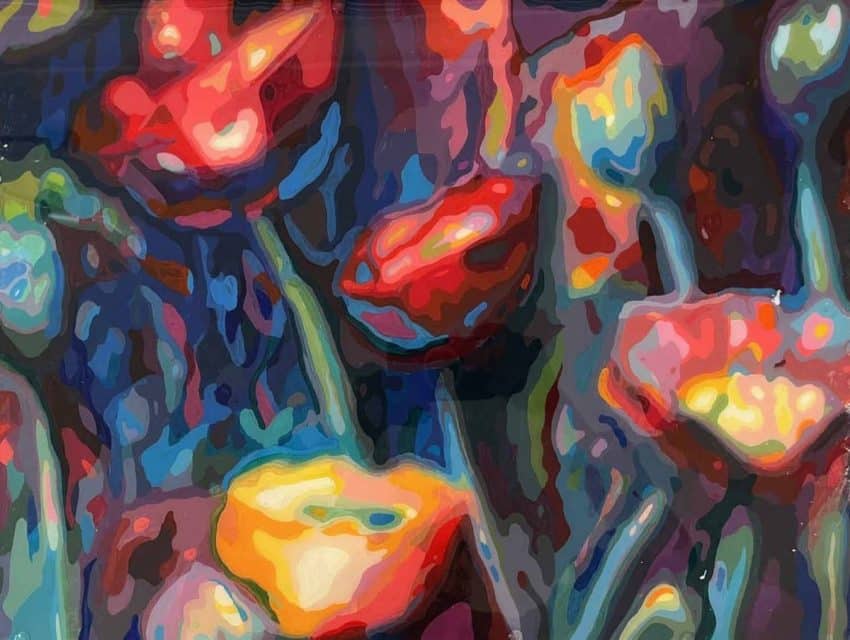
2025, mixed media in resin
18″ x 24″
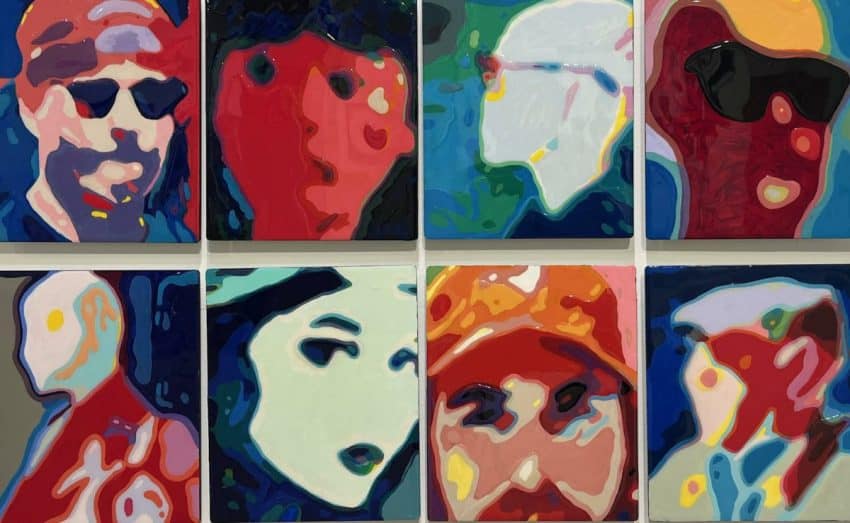
2025, acrylic resin on aluminum
36″ x 41″
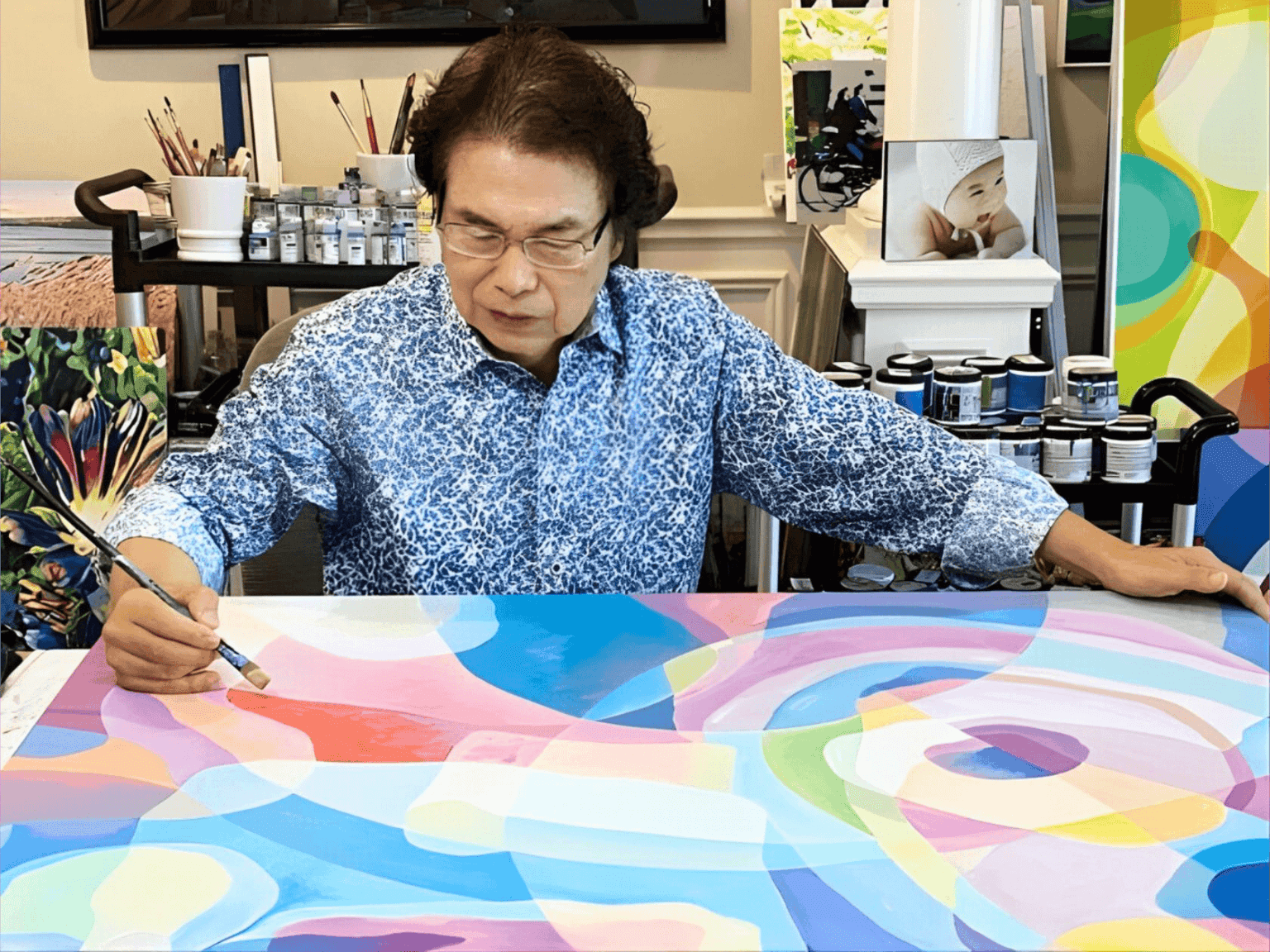
Jay Chung is a Korean-born, US-based contemporary artist whose practice blends graphic design training with fine art painting. His works are known for their colorful, layered surfaces and their ability to find joy and energy in the most ordinary of subjects. Over the last decade, Chung has developed a signature style using epoxy resin and acrylics, often creating paintings that shimmer with depth and emotional warmth.
He holds two master’s degrees from Pratt Institute, and his work has been shown internationally, from Artexpo New York and Frieze Seoul, to Affordable Art Fair Austin and Focus Art Fair in both New York and London. His paintings have been commissioned by high-end venues like the St. Regis Hotel, and he has received multiple distinctions, including “Best Exhibitor” and “Spotlight Artist” titles.
Don’t Walk was selected as one of the Editorial Highlights of the 2025 Metropolitan Melodies competition, curated by NY Art Competitions.
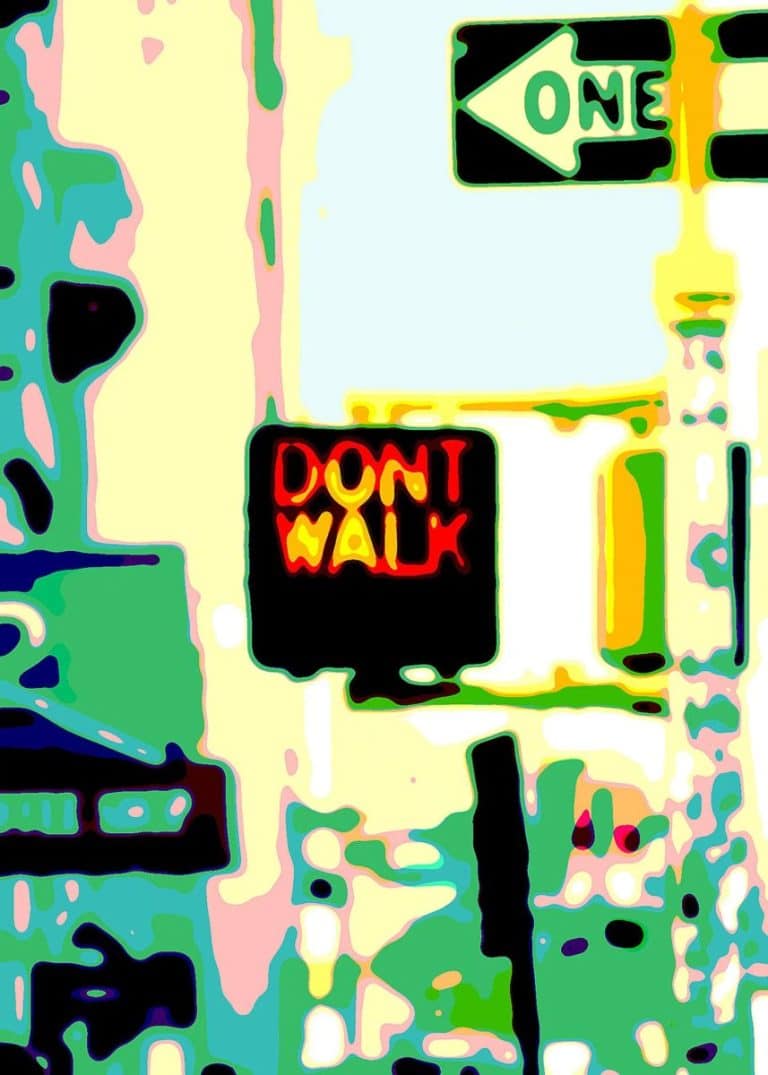
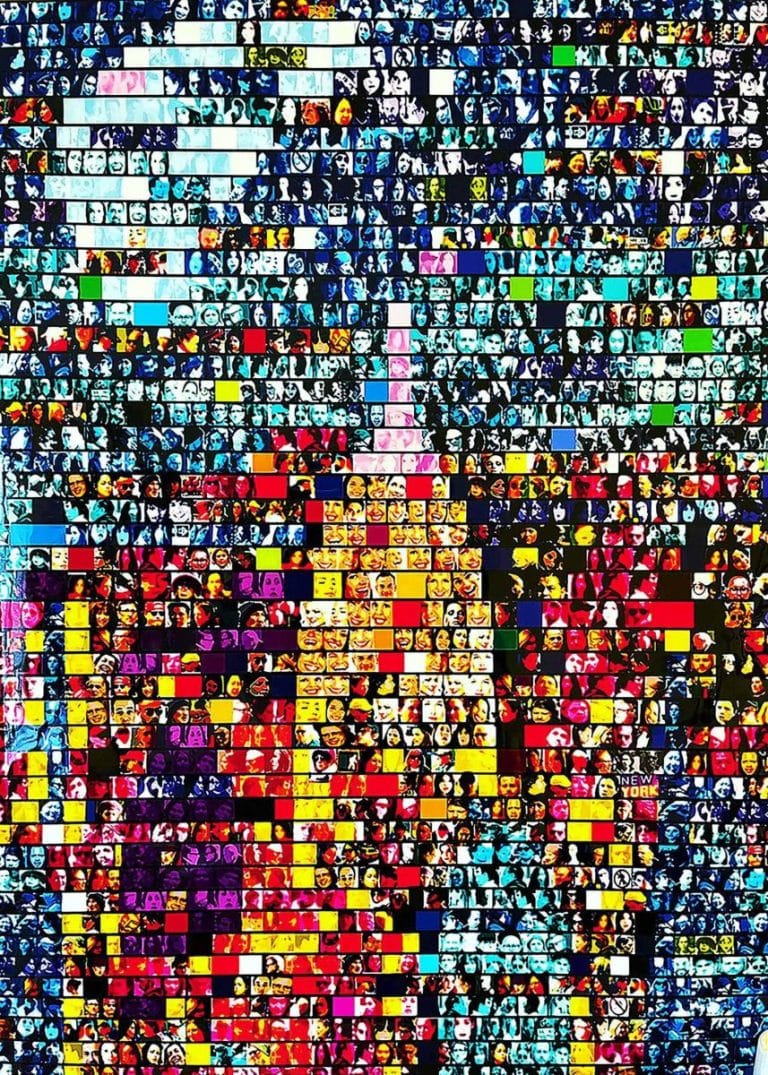
In Don’t Walk, Chung doesn’t shout. He signals. He pauses. He asks us to reconsider what we overlook: the quiet visuals that shape our movement, our pace, our urban choreography. And by doing so, he offers something rare: a still point in the chaos, rendered in aluminum and light.
Get the next article and open calls
A few times a year. Unsubscribe anytime.
Questions? Feedback? Thoughts on this article, or a topic you’d like us to cover?