How to Curate a Group Exhibition
Exhibitions often appear effortless, but organizing one involves a lot of work. If you’re unprepared, the process can become overwhelming and stressful, requiring careful planning, thoughtful selection, and meticulous execution.
Curating a group show is no different from curating a solo exhibition; it simply involves multiple artists and their diverse works. So, if you’re curious about curating or looking to start organizing exhibitions, this guide is for you.
Initial Planning
Identify the Curatorial Framework
A curatorial framework is the foundation that guides the development and presentation of an exhibition. It includes the conceptual, thematic, and practical elements that shape your vision and approach. A well-defined curatorial framework ensures the exhibition is coherent, meaningful, and engaging for artists and the audience.
Start by identifying a theme. The theme will unify the exhibition and provide a clear direction for selecting artworks. While artists may use similar materials or techniques, each artist brings a unique perspective. Remember that in art, no two strokes are exactly the same.
Once the theme is established, set clear objectives for the exhibition. Ask yourself what you hope to achieve. Are you providing exposure for emerging artists? Or are you raising awareness about a specific issue? Defining these goals will guide your curatorial decisions and maintain focus.
Lastly, consider your audience. Understanding your target audience and the impact you wish to make is crucial. Knowing who you are curating for will inform your choices and ensure the exhibition resonates with its viewers.
You can refine your curatorial idea by writing about it and discussing it with friends. These conversations help clarify and solidify your vision. Keep the process enjoyable and manageable: don’t aim for perfection immediately.
Establish a Timetable
Creating a detailed timetable for the exhibit is crucial for staying organized and ensuring a smooth process from the planning stage until its end.
Start by outlining significant milestones and deadlines, such as initial planning, budget creation and securing funding, artist selection and outreach, venue booking and logistics planning, marketing and promotion timelines, installation and setup, opening night and special events, the duration of the exhibit, and de-installation and post-exhibit activities.
Include buffer times for unexpected delays and ensure all team members know their responsibilities and deadlines. Regularly update the schedule as needed to reflect any changes or new developments.
Select and Reach Out to Artists
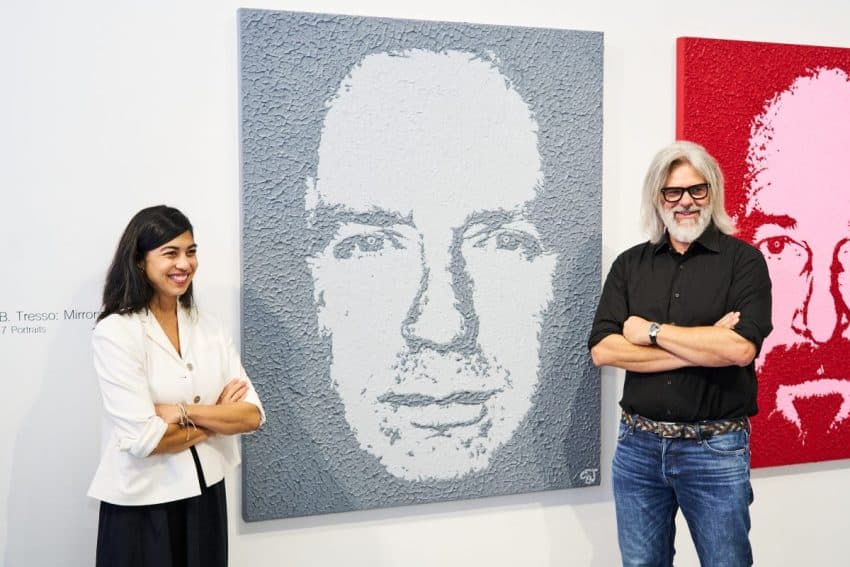
Once you feel confident about the exhibit’s overarching idea, it’s time to write up a list of artists. Whether these are well-established or emerging artists, it’s important to note how good these artists are individually and cohesively. Focus on artists with high-quality work to ensure that you maintain a certain standard. Be transparent about the selection process and what you seek in the artwork; this will help artists understand if their work fits the show.
If an artist accepts the invite, great! But if an artist declines, don’t take it personally. Sometimes, they have other commitments and don’t want to stretch themselves too thin.
Create a Budget and Secure Funds
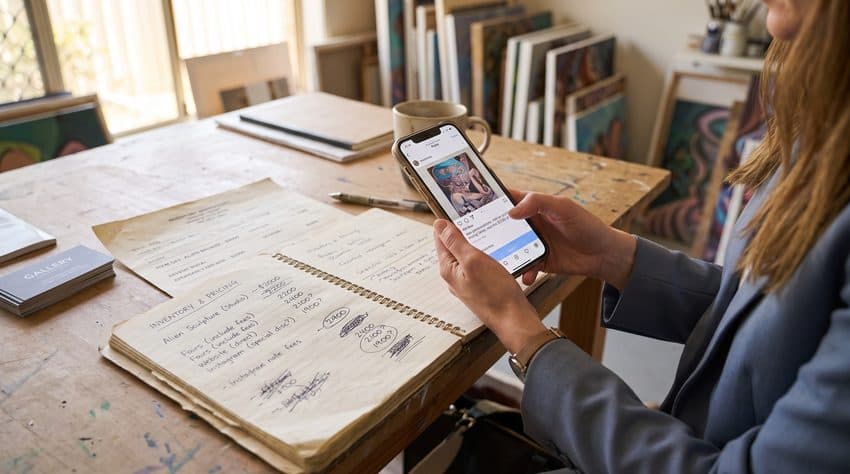
Curating a group show involves various costs. To manage these expenses effectively, start by creating a detailed budget that outlines all potential costs. This budget will help you identify the funding needed to bring your vision to life.
Explore different funding sources such as grants, sponsorships, and crowdfunding. Many arts organizations and foundations offer grants specifically for exhibitions, so research opportunities that align with your project.
Marketing and Logistics
Choose the Right Venue
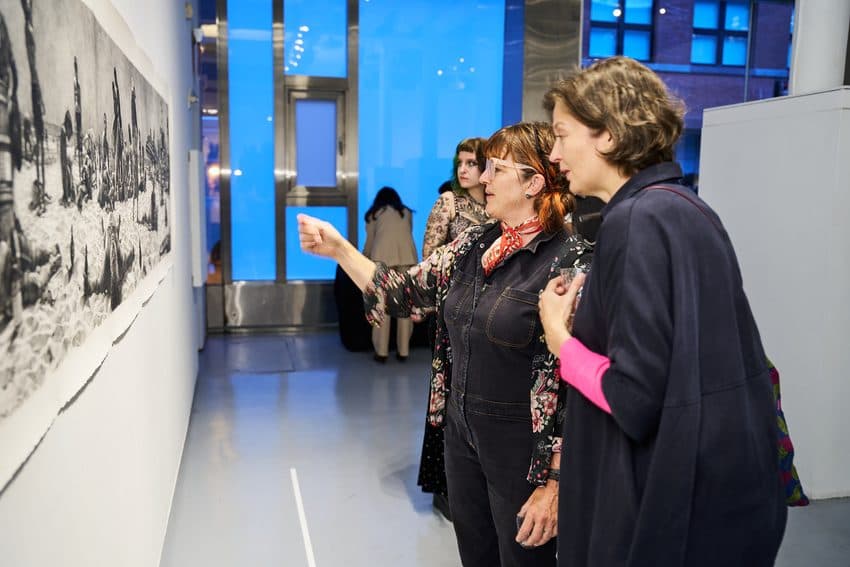
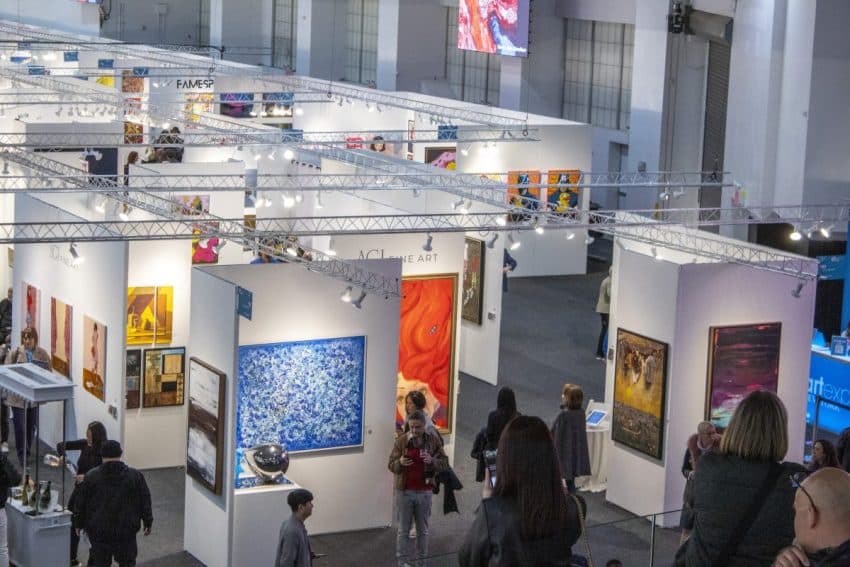
Choosing the right venue is crucial for the success of your group show. Before sending proposals to galleries, be sure to do thorough research, as some galleries do not consider unsolicited proposals. For those that do, review their past exhibitions to ensure your show aligns with their exhibition history and track record.
If you’re struggling to find a traditional white cube space, consider alternative spaces. Perhaps a friend has a spare room you could use for the weekend, or there’s a rentable event space nearby. Even a local park with an indoor venue could work. Either way, don’t be afraid to experiment.
Create a Marketing Plan
An effective marketing plan is crucial for attracting visitors to your group show. Start by identifying your target audience and developing a strategy to reach them. Create a timeline outlining key marketing activities leading up to the exhibition.
You don’t need a background in marketing to do this: social media is a powerful tool as it is. All you need to do is create a poster (or have someone create it for you) highlighting the details of the exhibition, such as the exhibiting artists, venue, opening reception date and time, and duration of the exhibit.
Next, you will need to draft a compelling press release to introduce your show and attract media coverage. Ensure it captures interest and provides clear, engaging information about the exhibition.
Additionally, you can build anticipation on social media by posting about the artists, behind-the-scenes content, and sneak peeks of the artworks. Engaging with your audience on social media can also create buzz and drive attendance.
Layout and Design
Careful planning of the exhibition layout is essential for creating a cohesive and engaging viewer experience. Consider how the audience will navigate the space and use lighting strategically to highlight key pieces and add visual interest. A well-designed layout will enhance the impact of the artwork and ensure a memorable visit.
Installation
Depending on the task’s complexity and the artwork’s size, you may need professional installers to ensure everything is presented properly. Attention to detail (such as lighting, spacing, and overall presentation) is crucial for a polished exhibition and significantly impacts its success.
During ingress, always prioritize safety and efficiency. If needed, ask the artist for help, especially if they are local, as many prefer to install their own work. If the artist is not local, request specific installation instructions and consider enlisting a friend to assist. Avoid working alone to reduce the risk of damage.
Stick to your schedule, but stay flexible. Installation can be stressful, so take breaks to manage your stress and stay focused.
Opening Night and Beyond
The Opening Reception
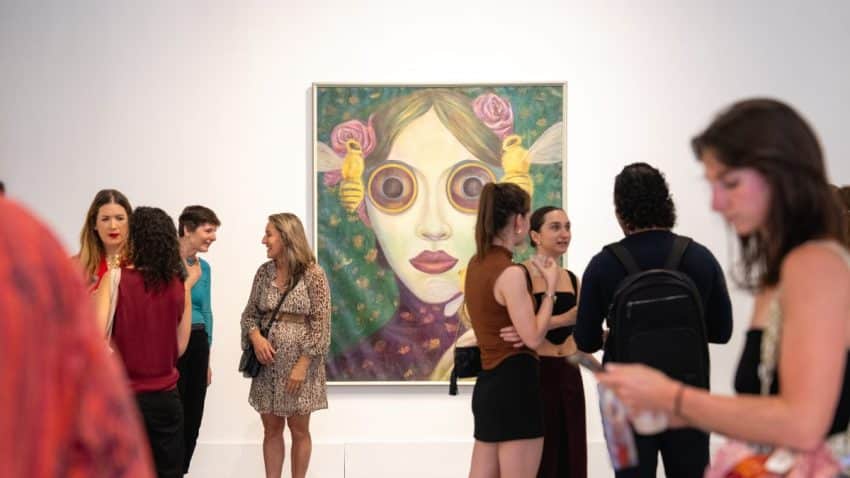
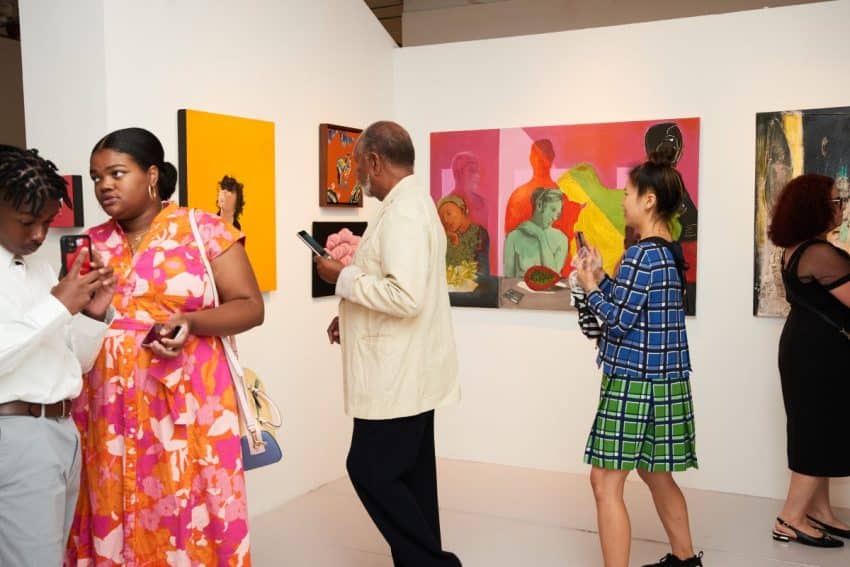
A helpful tip is to have a few close friends or gallery staff arrive an hour or two before the opening to assist with last-minute tasks. After everything is in order and the ribbon is cut, it’s time to socialize, have fun, take pictures, and celebrate your hard work!
Chatting with old friends is nice, but don’t stick to them the whole time. Use this opportunity to meet and interact with new people in the art scene.
Engage the Audience
If the artists are on board, talks, guided tours, and workshops can enrich the viewer’s experience and offer deeper insights into the artworks. Similarly, educational programs such as panel discussions can also attract a broader audience and encourage meaningful conversations about the exhibition’s theme.
Post-Exhibition
Once the exhibit concludes, compile photos and videos for documentation. This material can be valuable for future promotions and portfolio development. Gather feedback from artists and visitors to assess the exhibition’s success and identify areas for improvement.
After the show closes, promptly take down the unsold work and return it to the artists. Restore the space to its original condition by patching holes and repainting any scuff marks.
Curating a group show is a complex but rewarding endeavor that requires careful planning, thoughtful selection, and meticulous execution. Embrace the challenges and enjoy the creative journey of combining diverse voices and artworks into a cohesive and compelling presentation.
Get the next article and open calls
A few times a year. Unsubscribe anytime.
Questions? Feedback? Thoughts on this article, or a topic you’d like us to cover?