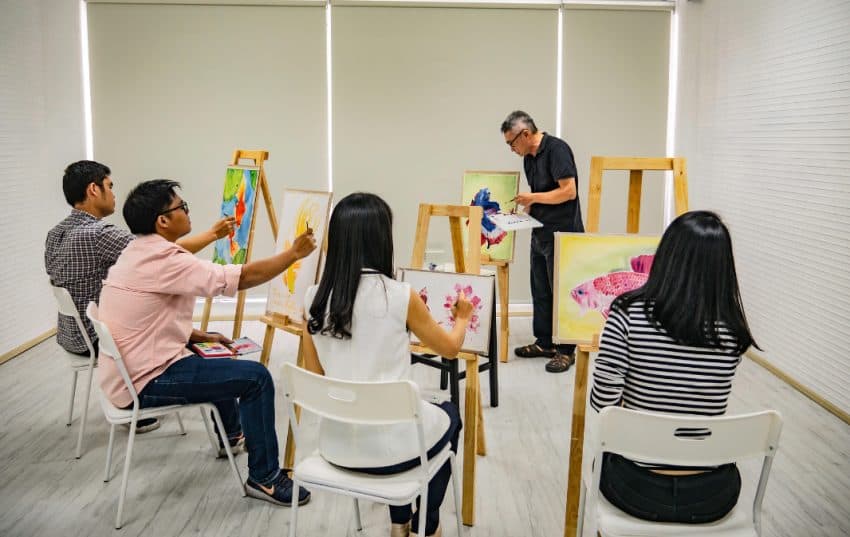
Handling Rejection as an Artist

Rejection is an inevitable part of an artist’s journey. Discover how to handle it effectively and transform it into a catalyst for personal and professional development.
Everyone has encountered rejection at some point, whether it’s missing out on a dream job, having a proposal declined, or facing unrequited love. For artists, this is particularly common as their work is often subject to subjective judgments. It’s important to remember that not everyone will appreciate your art or grasp your vision, and that’s perfectly fine. Many successful artists have used rejection and failure as motivation, turning them into driving forces to refine their craft and pursue their goals with renewed determination. If you’re looking to transform rejection into a source of inspiration and growth, keep reading!
Understanding Rejection
In the creative world, a career often hinges on acceptance. Artists face rejection from multiple fronts: galleries declining to showcase their work, exhibitions bypassing their entries, and clients backing out of purchases. Critique rejection can also be particularly painful, as negative feedback from critics, peers, or mentors can feel especially personal. In the age of social media, the specter of rejection looms larger than ever, with few likes, negative comments, or dwindling followers contributing to a pervasive sense of inadequacy.
According to a study conducted by researchers including Ethan Kross at the University of Michigan, the emotional distress of rejection can feel as painful as a physical injury, explaining why rejection can be so profoundly hurtful.
Many individuals find it challenging to persevere after experiencing rejection, often quitting and struggling to overcome their perceived limitations. Pouring their hearts into a project, they feel devastated when it fails to connect with others. This disappointment can lead to abandoning their efforts entirely or ceasing to try altogether. Unfortunately, the fear of rejection is a common barrier that hinders many people. Learning to handle rejection is crucial, not only for maintaining self-esteem but also for developing the courage to take risks and embrace new opportunities.
Practical Strategies for Dealing with Rejection
1. Developing Resistance
One of the most effective strategies for overcoming rejection is through exposure. A similar technique is practiced by therapists to treat anxieties and phobias by gradually increasing exposure to the source of fear in a controlled environment. By regularly facing rejection, patients start desensitizing from the painful feelings associated with it. Think of it like building a muscle: the more you work it, the stronger it gets. By putting your work out there and risking rejection, you can learn from each experience and grow stronger, just like an athlete improving through rigorous training. Even if it feels uncomfortable at first, pushing through the discomfort can lead to resilience and new opportunities, making you a more versatile and confident artist in the long run.
2. Promoting Positive Self-Talk
Remember to practice self-kindness. On average, we each have about 60,000 thoughts per day, with approximately 90% being repetitive and shaped by habits. If most of these thoughts are negative, it’s no wonder they wield such influence. The way we talk to ourselves is crucial. After every rejection, it’s important to remind yourself, “It’s okay, I am human. I can’t please everyone, but I will keep improving. Maybe this isn’t my moment, but my time will come.” Positive self-talk is effective. When negative thoughts arise, deliberately replace them with more encouraging ones. Though it might feel awkward initially, it becomes easier over time.
3. Seeking Feedback

Feedback can be a powerful tool for growth, but can sometimes be discouraging. It’s all about how you handle it. Hence, It’s important to differentiate between constructive criticism, which offers useful suggestions for improvement, and personal opinions, which might not be as helpful. When asking for feedback, be specific about what you need, and be open to using it to enhance your work. Continuous improvement means using rejection to spot areas where you can grow, setting new goals, and working towards them. Think of it like a plant: feedback is the sunlight and water that help you grow stronger and flourish over time.
4. Finding Inspiration
Finding inspiration as an artist can be tough, especially when faced with rejection. One trick is drawing motivation from other artists’ success stories. Like Banksy once said, “Art should comfort the disturbed and disturb the comfortable.” Celebrating your achievements, no matter how small, is also crucial. It’s akin to constructing a skyscraper; every brick contributes to your dream. Equally important is having a strong support network of fellow artists, mentors, and friends. They provide encouragement during tough times and help propel you to new heights. Joining a local art club or maintaining connections with like-minded individuals online can sustain your enthusiasm and keep your creative drive alive.
5. Turning Rejection into Opportunity
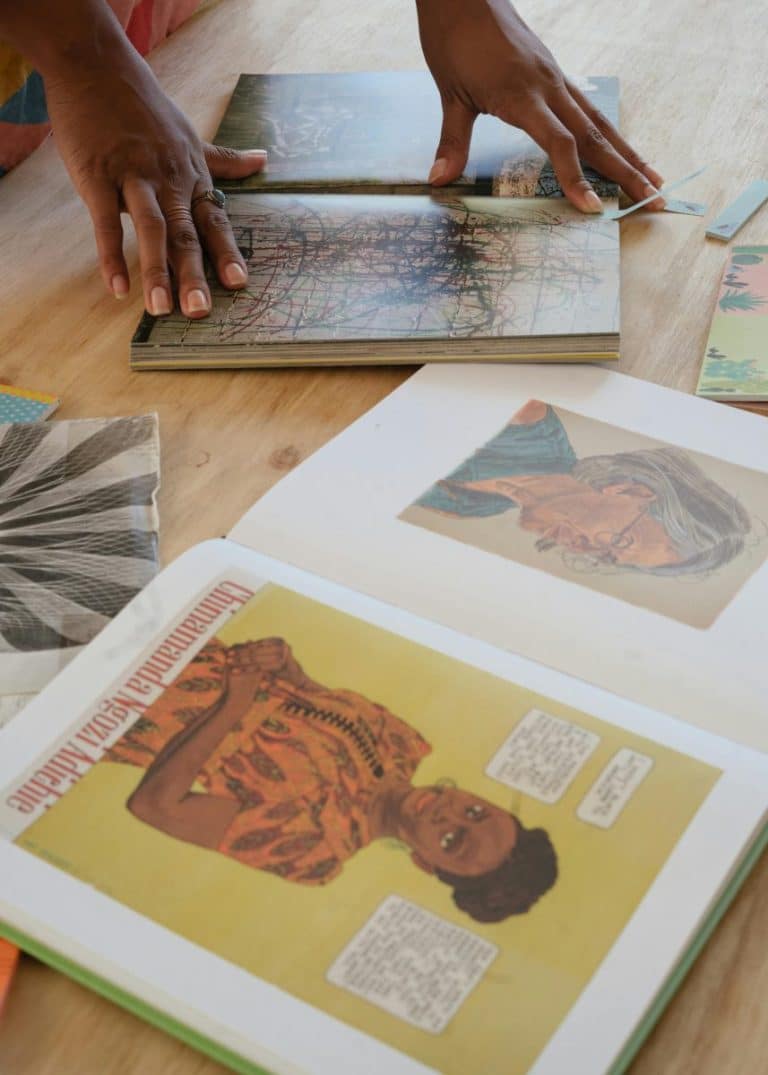
Turning rejection into opportunity can be a game-changer for artists. When one door closes, it’s a chance to explore new paths: experiment with different mediums or styles and find fresh venues and audiences for your work. Instead of feeling defeated, take a moment to reflect on the rejection and gain insights from the experience. Embracing a growth mindset helps you learn and improve, making each setback a stepping stone to your artistic development. Even some of the most famous artists faced rejection: Vincent van Gogh sold only one painting in his lifetime, and Claude Monet’s work was initially dismissed by critics. However, they persevered and eventually saw their efforts rewarded. By doing this, you not only enhance your skills but also build resilience, turning what feels like a failure into an opportunity for growth and success.
Kevin Feige, CEO of Marvel Studios, reminds us, “Rejection is a common occurrence. Learning that early and often will help you build up the tolerance and resistance to keep going and keep trying.” Successful artists use rejection as motivation to improve and achieve their goals. Not everyone will like your art, but that doesn’t mean you’re not skilled or talented.
See rejection as a chance to grow, not a setback. By exposing yourself to rejection, staying positive, seeking feedback, and building a supportive network, you’ll grow as an artist. Keep creating, learning, and pushing boundaries: your journey is just beginning.
Get the next article and open calls
A few times a year. Unsubscribe anytime.
Questions? Feedback? Thoughts on this article, or a topic you’d like us to cover?