How to write an artist newsletter

An artist newsletter can be one of the most powerful tools in an artist’s marketing toolkit. While letting your art speak for itself is good, putting in the effort into promoting your art to reach a wider audience of the art community, whether they be other artists, enthusiasts, collectors, or gallerists. However, its effectiveness hinges on strategic planning and execution to ensure it captivates subscribers and sustains their interest over time.
Define your goals with your artist newslettter
Before creating your artist newsletter, it’s important to define your objectives clearly. What do you hope to achieve with your newsletter? Here are a few common goals to consider:
- Driving Sales: If you aim to boost revenue by promoting artwork sales through your newsletter, your content strategy should revolve around showcasing your latest pieces, emphasizing limited-time offers or promotions, and offering incentives for subscribers to make purchases.
- Increasing Brand Awareness: If your goal is to enhance your brand’s visibility and expand its reach within the art community, your newsletter content should prioritize storytelling, sharing your artistic journey, and providing behind-the-scenes insights into your creative process.
- Fostering Community Engagement: Another objective you may have is to cultivate a thriving community around your art. In this case, your newsletter content should encourage interactions with subscribers by prompting them to participate in polls, contests, or discussions.
By defining clear and measurable goals for your artist newsletter, you can tailor your content, messaging, and strategies to achieve them effectively.
Building Your Mailing List
You don’t just want readers; you want eager readers. It’s about cultivating a community of eager subscribers who look forward to hearing from you. Targeting an already interested audience ensures your subscribers remain engaged, actively consuming content, and potentially making purchases.
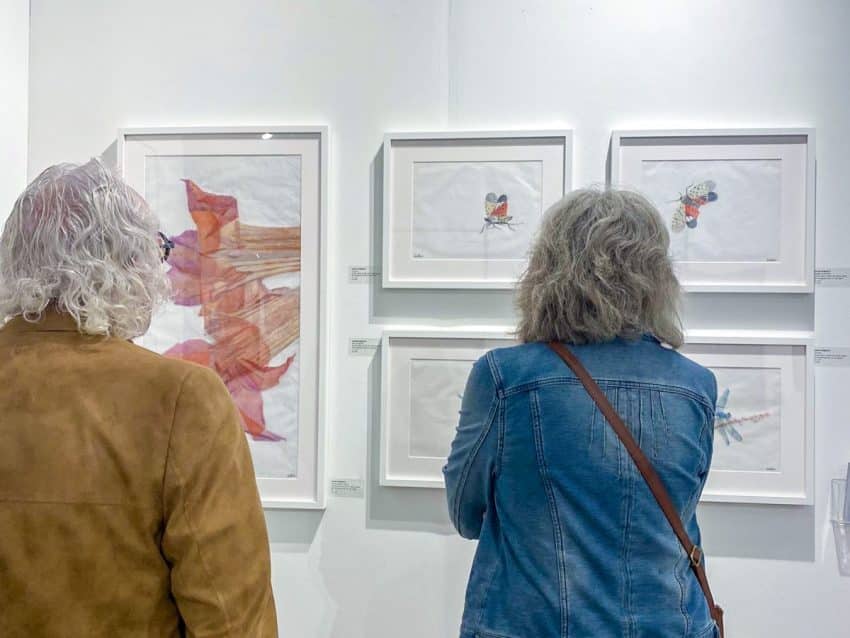
By leveraging events like art exhibits and platforms like online communities, you can diversify your acquisition channels, expand your reach, and attract a dedicated subscriber base. You can also optimize your website and social media profiles for newsletter sign-ups to gather potential subscribers who visit your online platforms.
Maintaining Frequency and Consistency
Sending too many newsletters risks overwhelming subscribers, potentially marking your content as spam. Conversely, infrequent updates run the risk of subscribers forgetting about you altogether.
While many emerging artists find success with a newsletter every 4-8 weeks, there’s no universal frequency that suits everyone. For instance, at AGI Fine Art, we send our newsletters once a month. But, before settling on how often you should send out newsletters, consider factors such as:
- How often do you produce new artwork?
- How frequently do you have significant news to share?
- How much time can you allocate to compiling a newsletter?
Consistency also plays a crucial role in maintaining subscriber engagement and projecting professionalism. Whether you choose a monthly, bi-monthly, or quarterly schedule, sticking to a consistent rhythm establishes expectations and demonstrates your dedication to your audience.

Regular updates show you’re actively involved in your artistic pursuits, generating ongoing interest. In contrast, irregular updates may give the impression that you’re inactive or have nothing noteworthy to share.
Creating and Designing Compelling Content
It’s crucial to stay proactive in your interactions to keep your subscribers engaged, even if they’ve already shown interest in your art. Every part of your newsletter should be made with the intention of immediately hooking your audience the second they receive an email notification from you.
Focus on the details, such as catchy subject lines and captivating visuals. Concise subject lines are particularly crucial; think of your subject as the one chance to convince somebody to open your newsletter.
In today’s fast-paced digital landscape, brevity is essential. Deliver straight-to-the-point, impactful messages rather than overwhelming your subscribers with lengthy paragraphs. Break down your content into easily digestible chunks, utilizing short paragraphs, bullet points, and subheadings to enhance readability and engagement.
Tease your audience with snippets of content that leave them craving more. Whether it’s a preview of your latest artwork, a teaser for an upcoming event, or an intriguing excerpt from a blog post, spark curiosity and encourage clicks to your website or social media for the full story, offering subscribers a choice to explore further if they’re interested.

Maintain a friendly and enthusiastic tone throughout your newsletter to convey your passion for your work and connect with your audience personally. Prioritize readability in your design choices, opting for clear templates with high contrast and incorporating images to break up text. While consistency is essential for brand recognition, don’t hesitate to infuse seasonal themes to keep things fresh and engaging.
Finally, include clear and compelling calls to action (CTAs) that guide subscribers toward desired actions. Whether you want them to visit your website, follow you on social media, or make a purchase, make it easy for them to take the next step. Utilize persuasive language and visually appealing buttons to encourage clicks and conversions.
Leveraging Tools and Platforms Effectively
When it comes to email marketing, plenty of platforms offer beginner to advanced features that can streamline your newsletter creation process. For most users just starting, the free plan will suffice. Once your subscriber list grows and you feel ready to commit to a paid service that suits your needs, you can easily scale your plan accordingly.
Here is a list of email marketing platforms with free plans that offer flexible subscriber and send thresholds, email templates and customization, segmentation, automation, scalability, and user-friendly interfaces for all your email marketing needs:
By prioritizing quality content, engaging design, and consistent communication, artists can leverage newsletters to showcase their work, share their journey, and foster a thriving community of supporters.

In the end, your newsletter is your own. These tips will get you started, but the best part of a newsletter is the personal touch. So play around with it, and let us know how you fare in the comments!
Get the next article and open calls
A few times a year. Unsubscribe anytime.
Questions? Feedback? Thoughts on this article, or a topic you’d like us to cover?