How Do You Know When You’re Ready as an Artist?
At some point in every artist’s career, a question quietly emerges:
Am I ready?
Ready for a gallery exhibition.
Ready for an art fair.
Ready to take the next step beyond the studio.
According to Sabrina Gilbertson, Director of AGI Fine Art, readiness is not a vague feeling. It is a combination of mindset, consistency, professionalism, and practical refinement.
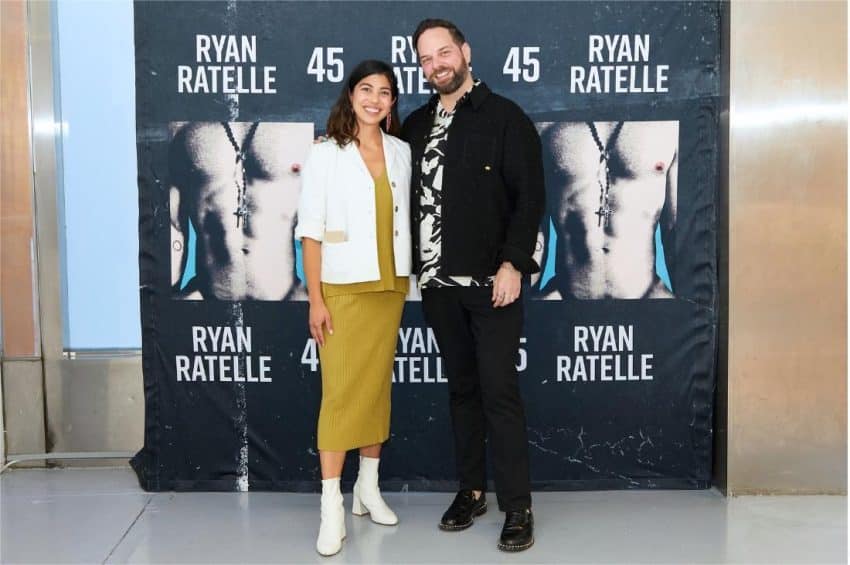
In a recent discussion, she outlined the key elements that determine whether an artist is truly prepared for exhibition opportunities.
1. Mental Readiness: Are You Willing to Take the Risk?
The first sign of readiness is not technical; it’s psychological.
To exhibit publicly, especially at a gallery or art fair level, an artist must be prepared to:
- invest in themselves,
- accept visibility,
- and take the risk of putting their work in front of an audience.
Exhibiting means stepping out of the safety of the studio. It means being evaluated, by curators, collectors, and peers.
Without this mental positioning, even strong work can stall.
Being ready means understanding that growth requires exposure.
In the video below, Sabrina Gilbertson, Director of AGI Fine Art, explains what makes an artist ready for an exhibition.
2. A Consistent and Prolific Body of Work
One artwork is not enough.
Galleries look for a cohesive body of work that demonstrates:
- visual consistency,
- conceptual clarity,
- and sustained production.
A fuller portfolio allows a gallery to:
- understand your direction,
- determine placement,
- assess how your work fits within a curated exhibition or fair context.
Consistency doesn’t mean repetition. It means a recognizable voice.
Prolific output signals seriousness and long-term commitment.
3. Reliability and “Sellability”
Readiness is also about partnership.
If a work receives strong interest, galleries need to know:
- you have additional pieces available,
- you can produce more work if needed,
- and you are committed to professional collaboration.
A substantial body of work suggests reliability.
Galleries also consider what Sabrina refers to as sellability. This does not mean commercial compromise; it means understanding whether the work can realistically engage collectors within a professional market context.
Being ready means being prepared to sustain momentum.

4. Professional Presentation: The Details Matter
Presentation is often where readiness is confirmed, or lost.
Because artists spend long hours in isolation, they may overlook details that are immediately visible to a gallerist.
Small refinements can make a decisive difference:
- Are the sides of the canvas finished?
- Does the canvas feel substantial or overly thin?
- Should the work be framed?
- Does the piece feel resolved and complete?
These are not superficial concerns. They signal professionalism.
In competitive contexts like exhibitions and art fairs, presentation directly impacts selection decisions.
5. Artist Perspective vs. Gallerist Perspective
Artists experience their work inside the studio: in progress, evolving, surrounded by other experiments.
Gallerists see the work outside that environment:
- in clean, curated spaces,
- alongside other artists,
- under professional lighting.
What feels “almost ready” in a studio may feel unfinished in a gallery setting.
Understanding this difference is part of maturity.
6. Previous Public Response
Another indicator of readiness is prior exposure.
Has the work:
- been shown before?
- received public response?
- generated engagement or collector interest?
Galleries often consider how audiences have interacted with your work elsewhere. Positive response suggests that the work resonates beyond the studio.

So, How Do You Know?
You may be ready when:
- You feel mentally prepared to take a public step.
- Your portfolio reflects a cohesive, substantial body of work.
- Your presentation meets professional standards.
- You can sustain production beyond a single piece.
- You understand the difference between studio logic and exhibition logic.
Readiness is not about perfection.
It’s about alignment between mindset, work, and presentation.
Ready to Take the Next Step?
If you recognize yourself in these signs (if your portfolio feels cohesive, your presentation refined, and your mindset aligned with growth) it may be time to move forward.
We invite you to explore AGI’s current open calls and see which opportunities align with your work.
Each open call is carefully curated with specific exhibition contexts and professional platforms in mind.
If you feel ready, apply, and let your work enter the conversation
Get the next article and open calls
A few times a year. Unsubscribe anytime.
Questions? Feedback? Thoughts on this article, or a topic you’d like us to cover?