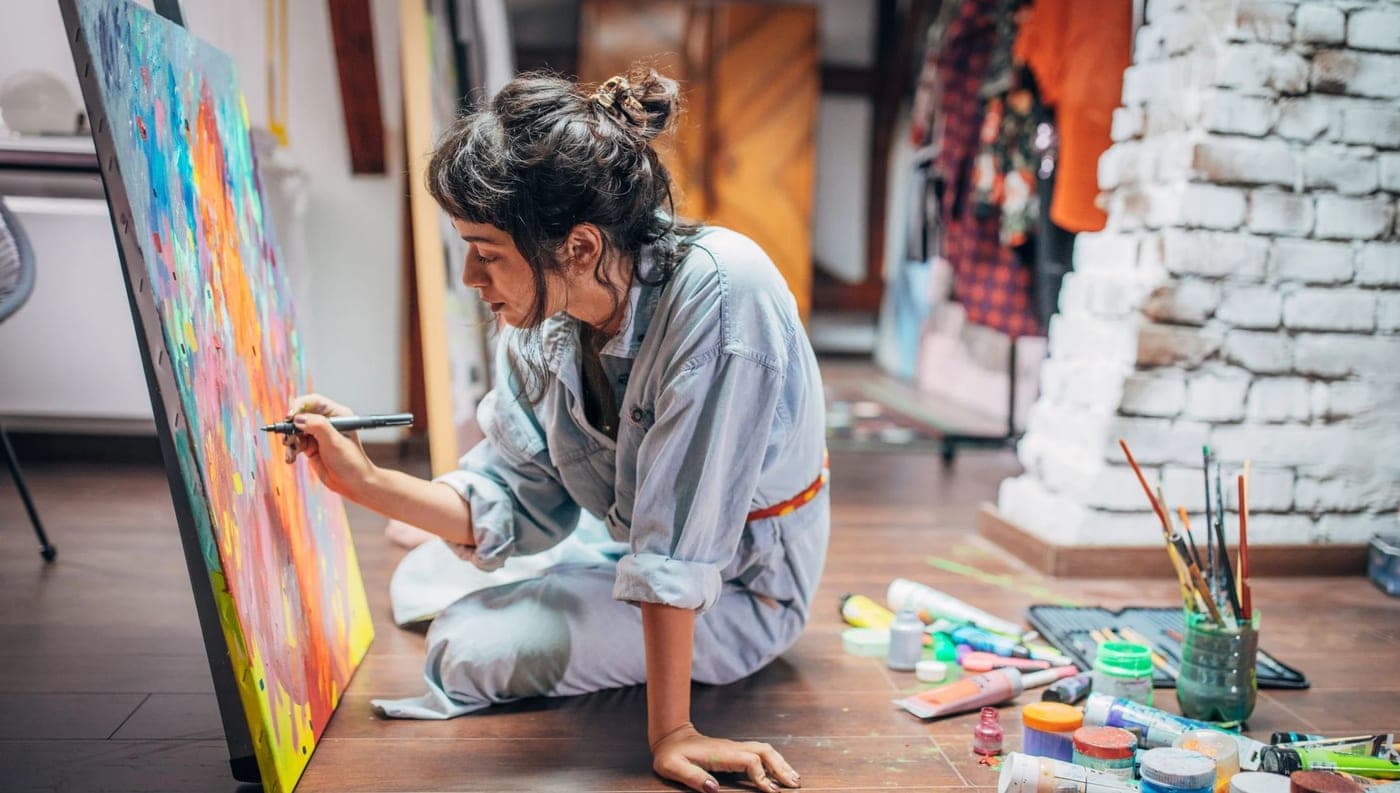
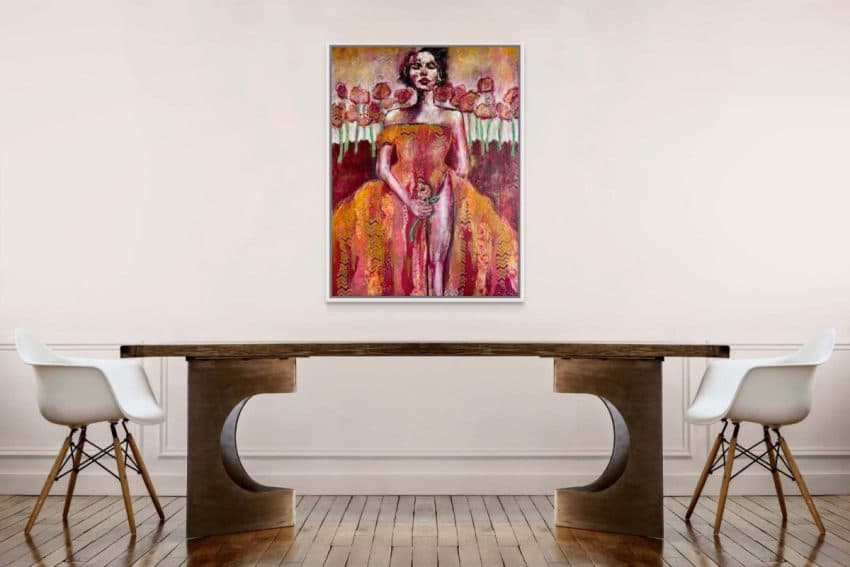
How to find the Best Artists Residencies
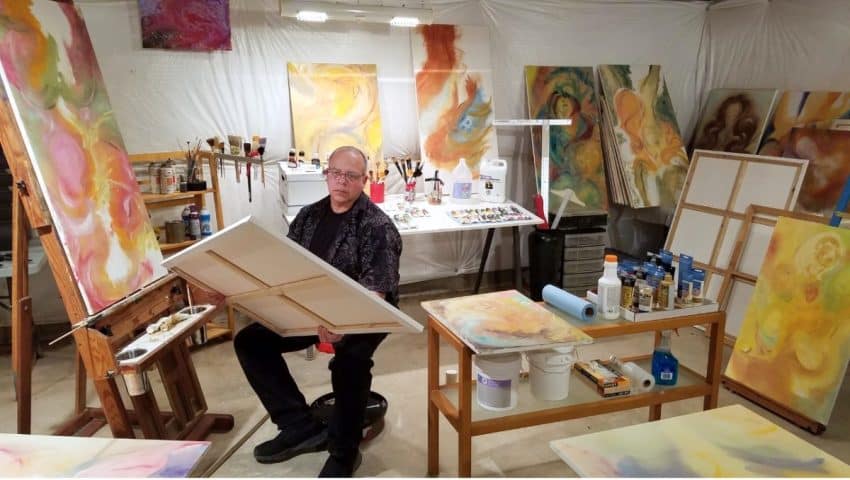
Many artists believe in the positive words of Thomas Merton, the famous writer, Trappist monk, and mystic: “Art enables us to find ourselves and lose ourselves at the same time.” To live that credo, an artist ideally wants, and needs, inspiration, time, money, and a private space to create. Finding all four is challenging, but an artist in residence at an established, reputable program can come close.
Finding and securing a suitable, noted residency can be an arduous, time-consuming experience, even if you’ve done it before. Here are some guidelines and tips to help you navigate and benefit from this complex process.
Find and Evaluate the Best Program for You
Treat the search for a residency as if you were trying to find the best school or the perfect job for yourself. Residencies vary greatly, from focusing on different mediums and demographics to their acceptance rates.
Whether you’re an emerging artist or an established artist, you must ask yourself some basic, critical questions when searching for the best program for you:
- Why do you want to participate in a residency?
- What do you want to accomplish during the residency?
- What qualities do you want the host program to have?
Typical answers are to travel, teach, learn, have a quiet place to work, establish new contacts, and gain creative inspiration from other mediums (e.g., dancing, photography, music, and writing). The common connection among all residencies is that they provide diverse artists a live/work space to create, collaborate, and network.
There is a lot of interaction and collaboration in a residency, but it’s also hard work. Answering these questions honestly can help you plan a thorough, organized approach to identify, and participate in, a suitable program.
Search for Residencies
The Alliance of Artist Communities lists programs that choose artists through a selection process, and have free or significantly reduced costs. Search features on the AAC site include residency discipline, location, accessibility, and deadline.
Among other resources are Wooloo, CaFÉ (CallForEntry.org), and TransArtists.
You can also learn about available residencies through leading art publications, fellow artists who did residencies, and word-of-mouth recommendations.
Administrative, Creative, and Financial Concerns
After you find a residency that matches your creative interest, and aligns with your schedule, you need to consider other key factors to help you make an informed decision.
- Physical location/environment: One of the most important factors in choosing the best residency for you is its location. You have to be happy and productive in the place you perform your residency, whether it’s a major museum, an idyllic setting, an airport, the Antarctic, or in a container on a commercial cargo ship.
- Cost: Even before you apply for a program, plan your finances and schedule. While many residencies don’t cover the cost of key items such as application fees (typically $20-$50), living, travel, food, and supplies, there are programs that pay you to travel and produce art. The best residencies receive funds through grants and donations and absorb these costs for the artist.
- Program’s reputation: Along with its funding status, a program’s reputation depends on the quality of factors. These include faculty, work and living space, external environment, and artists accepted into the program. You should strive to participate in nationally known, funded residencies.
- Availability/duration: The host, type, and stature of the residency determine its availability and length. A residency can last for a couple of weeks or months to a year. Make sure you plan your work/life balance and budget accordingly.
- Time: Whether you participate full-time or part-time in a residency, you will spend a lot of time socializing and participating in events and exhibitions. In planning your time, consider factors such as family responsibilities, work priorities, and time away from your own studio.
- Food: You don’t want to be a starving artist, literally. Leading programs prepare and serve food (catered or in-house cooks). Others offer private professional kitchens. Most, however, expect you to buy and cook your own food. Again, plan your budget and time.
Useful Article: First Artist in Residence at Lincoln Cathedral
Manage the Application Process
The application process (who is eligible, when to apply, how to apply, what to include in the package) varies widely. In particular, be aware of application periods and deadlines. They range from limited periods to a rolling basis.
Additionally, while many programs have open calls for applications, others are invitation only or offered through special partnerships with other institutions, funding bodies, or organizations.
Always consult a trusted resource at the program for complete application information.
Prepare and Collect Information
Making a positive first impression is critical, and your application package is the primary way to introduce yourself, and your work, to a host program. Make sure your content is thorough, accurate, and engaging. You want your application to stand out.
Submit Package
Expect to submit a project proposal (community interaction projects with locals are well regarded), resume, and letter of motivation (or similar documentation). Follow submission guidelines exactly (this is an easy way to advance in the selection process) and beat the deadline.
If you apply to multiple residencies for different periods, keep specific application materials organized so they stay with the right program.
Useful Article: Agora Gallery’s Glossary of Art Portfolio Terminology
You’re Accepted: Prepare to Participate
After you receive your acceptance letter, you must continue to research and
prepare, socially and financially, to hit the ground running.
First, make new connections before your residency starts. Perform your own research, and reach out to your host via email or letter, to find suitable contacts (e.g., artists in your residency, local galleries and art organizations, schools, and museums). Inform these groups and your existing followers of your residency via press release, email, or online update.
Don’t forget to finalize your budget and timeline of key activities to help limit the number of unwanted surprises (e.g., miscellaneous costs such as local travel) to lessen stress. You should have much of this information available from your prep work in finding and evaluating the best program for you.
Even if you don’t land a residency, the contacts you establish researching the program can help you land a visiting artist gig at a local college or a similar role. Like the application, you’ll have to submit a proposal.
Participate in the Residency
From day one of the program, project a positive image and be open and receptive to new ideas and experiences. As much as creating, socializing is a major part of residencies. This interaction can help you learn about other artists, identify any language and cultural barriers, and build your network.
You should also be prepared to participate in (even better, volunteer for) exhibitions, panels, and workshops. Even if you work better alone, total solitude isn’t an option during a residency.
Useful Article: Planning A Marketing Strategy For Artists
Marketing your work is another critical constant. You are your best advocate. Keep your website, online profile, resume, and portfolio current with your latest news (e.g., works, showings, events, and panels). Fresh content will update your existing followers, and attract new ones, on your happenings.
The administrative staff can offer promotional support to help you spread the word about your work during the residency.
Most important: at all times, obey all the rules of the residency, respect the workspace and opinions of other artists, and don’t intentionally damage or misuse any of the host’s supplies or equipment. The administrators of art programs speak with each other, and you don’t want them to pass you over for future opportunities (e.g., collaborations, exhibitions, or panels) due to any transgressions.
Useful Article: How To Write An Artist Profile
Post-Residency Activities
If you enjoyed your residency and impressed the administration with your production and positive energy, check if they want you to continue your work there.
When you have time and funds, you should always be searching for programs that fit your artistic and cultural goals. Every successful residency is a stepping-stone to the next one and builds your name and stature in the community.
Finally, always be proactive in marketing yourself, and your work. It’s challenging to find and secure a spot in the best, most rewarding program for you. In the right program, and with the right outlook, you’ll be at home: comfortable, confident, and productive. The experience can open creative and professional doors that provide quality, lasting opportunities.
As an artists’ agency, we take pride in the diverse group of artists from across the globe that we represent. Looking to develop your artistic career and build a presence in New York City and worldwide? Book an online career development consultation meeting today.
Opportunityof residency: The School of Visual Art and Design at the University of South Carolina invites visual artists to submit applications for the spring session of the 2019 Artist Residency Program which is intended to address themes of environment and ecology. To learn more about the program, visit the website.
Useful Article: 5 Steps to Promoting Your Art on Facebook
A. Richard Langley is a freelance writer in Marietta, Ga. His byline has appeared in diverse consumer art and culture publications. Among them: Art & Antiques, Atlanta Citymag, Film Threat, and BlackBook. He also has experience in art sales. For three years, he co-managed and stocked a booth of European art, antiques, and furniture at Scott Antique Markets in Atlanta.
Get the next article and open calls
A few times a year. Unsubscribe anytime.
Questions? Feedback? Thoughts on this article, or a topic you’d like us to cover?