Limited Editions for Artists: How to Set the Right Run Size, Label Your Work, and Protect Its Value
This article, originally published in 2016, was revisited and updated on .
Limited edition prints and sculptures are a powerful way to add exclusivity to your work, attract serious collectors, and position yourself for higher sales. But the success of an edition depends on more than just a number; it’s about setting the right run size, presenting it professionally, and protecting its long-term value.
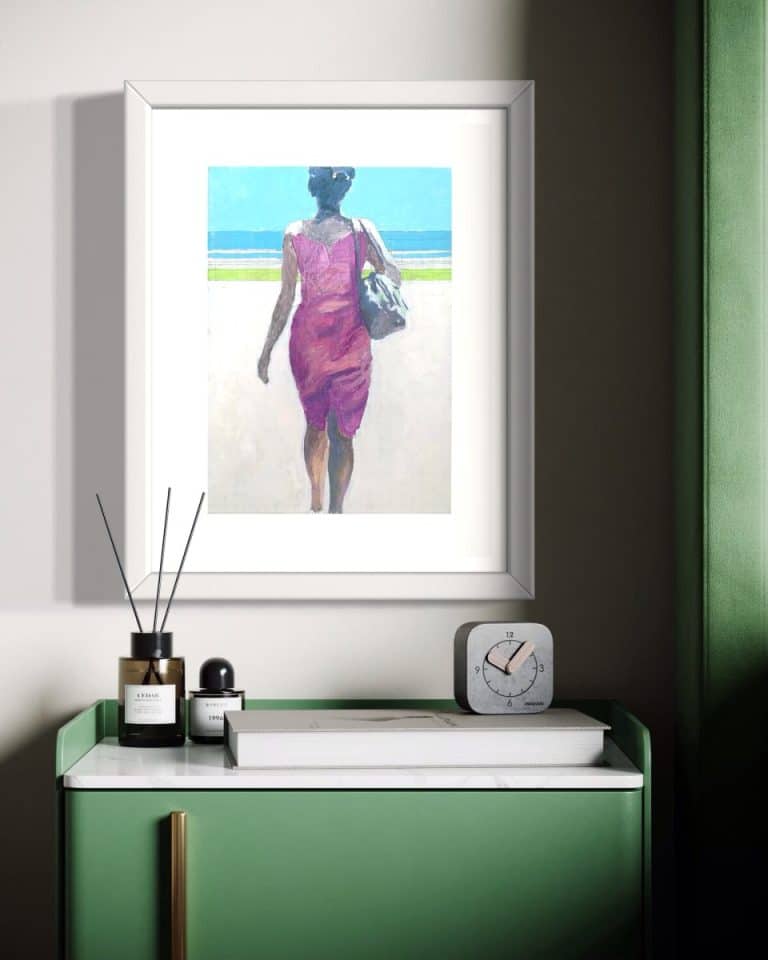
Choosing the Right Edition Size
Edition size directly affects scarcity, price, and demand.
- Emerging artists often benefit from larger runs (200–500 prints), which help build a collector base while maintaining exclusivity.
- Established artists can opt for very small runs (sometimes fewer than 10 pieces) to command premium prices.
If you offer multiple sizes, you can split your edition, for example:
100 prints at 8×12 inches, 50 prints at 10×15 inches, and 5 prints at 16×24 inches.
Once you commit to an edition size, it cannot be increased later; transparency is key for collector trust.
Limited Edition Sculptures
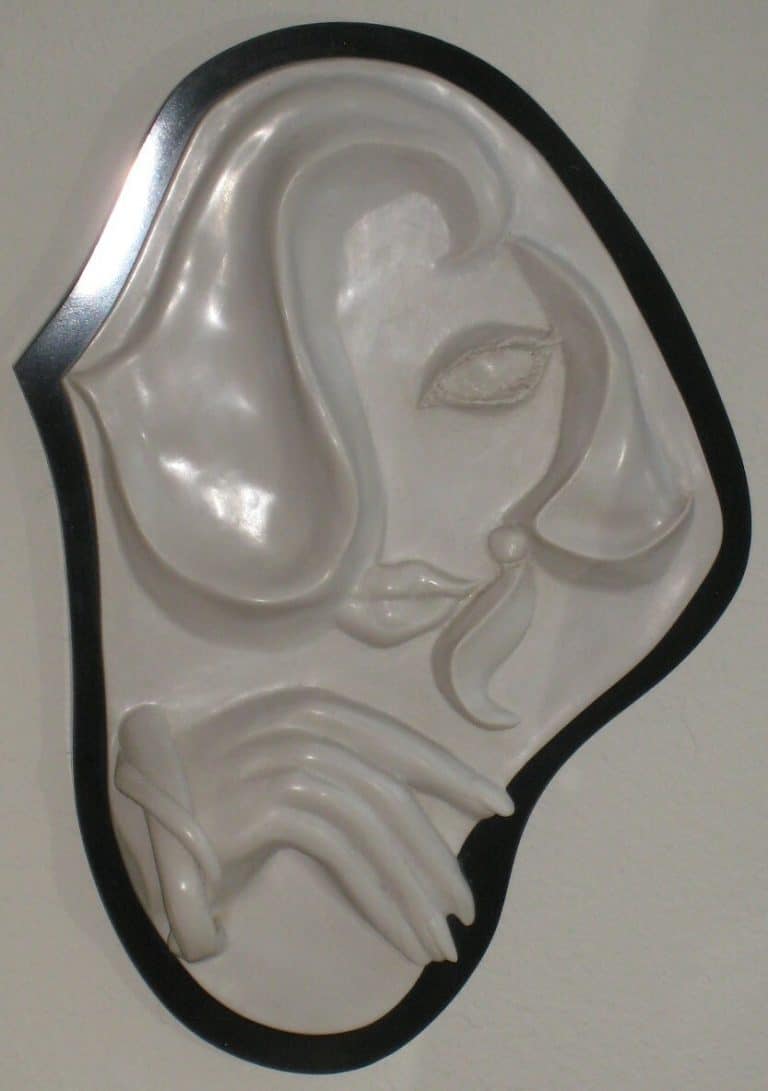
When it comes to sculpture, the concept of limited editions takes on additional complexity. Unlike prints, where size and format are the main variables, sculptures involve factors such as materials, casting techniques, and production costs. Bronze casting, for example, often follows industry standards that limit editions to 8 numbered pieces plus 4 artist proofs (a convention common in Europe), but practices vary internationally.
Artists working in sculpture must also consider the durability and rarity of the chosen materials, as these directly influence both pricing and desirability. The process itself (whether hand-carved, cast, or 3D-printed) can justify smaller editions, given the labor-intensive nature of production. As with two-dimensional works, transparency is essential: collectors should be informed of the total number of casts, any variations in patina or finish, and whether molds will be destroyed after production. Clear documentation, including photographs and details in the Certificate of Authenticity, can help protect both the artist and the buyer’s investment.
Labeling and Signing Your Work
Professional presentation builds trust with collectors and protects the value of your work.
For prints (photographs, screen prints, lithographs, etc.):
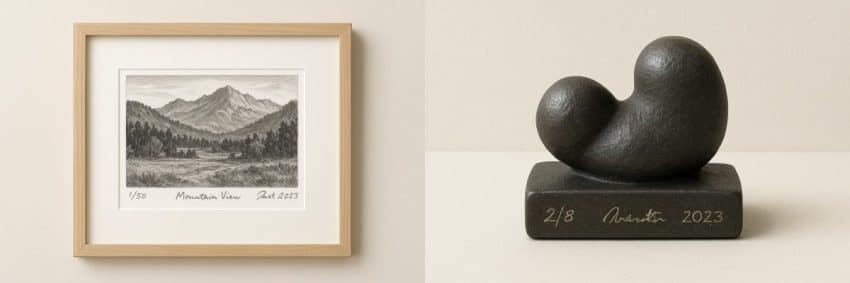
- Sign each piece in pencil on the white border area outside the image.
- On the lower left: edition number (e.g., 1/50).
- In the center: title (if applicable).
- On the lower right: your signature and date.
- Ensure your signature is either legible or a consistent, distinctive mark.
For sculptures:
- Number each piece clearly (e.g., 2/8) on the base or discreet location.
- Sign and date in a way that is durable and resistant to wear.
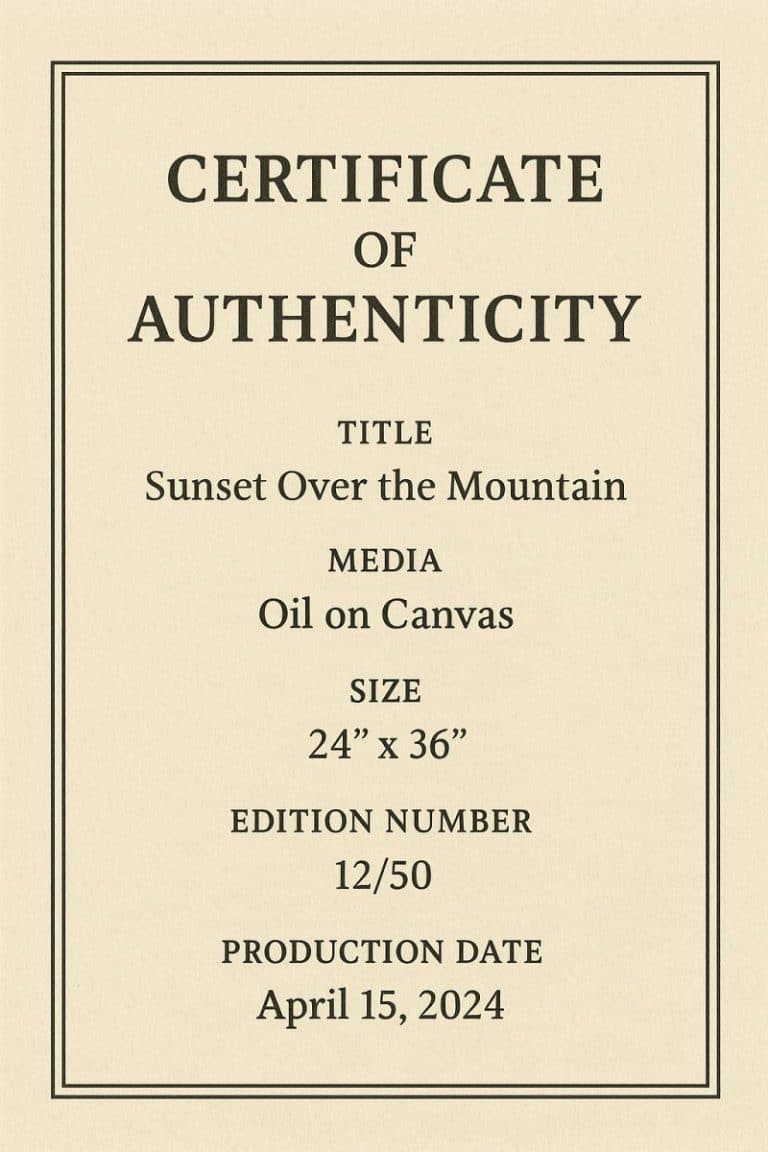
Provide a Certificate of Authenticity that lists the edition size, materials, and production date.
Consistency Builds Credibility
Choose one format for numbering, signing, and dating, and never deviate. Whether you write “01-12-2025” or “1 Dec 2025,” stick with it. Consistency prevents confusion and protects the authenticity of your work.
Documentation That Protects You
Every sale should include:
- Artist Bill of Sale
- Certificate of Authenticity with title, media, size, edition number, total edition size, and production date
- For prints: paper type, ink type, printer used
- For sculptures: casting foundry, materials, and finishing methods
These documents reassure collectors and make resale easier in the future.
Artist Proofs (AP)
Artist Proofs are a small, separate subset of the edition, traditionally pulled before the main run to check quality. They are not part of the numbered edition but are marked “AP” or “HC” (hors de commerce).
APs can be sold later, often at a slightly higher price due to their rarity. The limit is typically 10% of the main edition.
Keep Your Records in Order
Even if you sell through galleries, track:
- How many works were produced and sold
- Buyer information and sale dates
- Prices over time
- Thumbnail images for reference
Accurate records protect you from disputes and help with future marketing.
Whether you’re producing limited edition prints or sculptures, the principles remain the same: choose your edition size carefully, label and sign consistently, and document everything. These practices protect your work’s value and build lasting trust with collectors.
Ready to present your work to a wider audience?
Explore AGI Fine Art’s open calls for artists and connect with opportunities designed to showcase your art to the right collectors.
Get the next article and open calls
A few times a year. Unsubscribe anytime.
Questions? Feedback? Thoughts on this article, or a topic you’d like us to cover?