How to Build a Professional Facebook Page as an Artist (2026 Update)
Before you start posting, ask yourself: Who am I trying to reach? And where are they already spending time online?
Facebook may not be the new kid on the block anymore, but it remains one of the most powerful tools for building visibility, connecting with your audience, and presenting your career as an artist in a professional light. Whether you’re applying to exhibitions, working with galleries, or simply trying to engage new collectors, your Facebook artist page can serve as both a portfolio and a platform.
In this updated guide, we walk you through how to set up (or upgrade) your professional artist page on Facebook, and how to make sure it speaks to the right audience.
1. Start With Your Audience
Before you even create your page, take a moment to reflect.
- Who are you trying to reach?
Collectors? Curators? Art lovers? Local communities or international buyers? - Where do they spend time online?
Many collectors still follow galleries and events on Facebook, especially for in-person exhibitions, art fairs, and local events. - What do you want them to do?
Visit your website? Attend a show? Follow your creative journey?
By understanding your goals and audience, you’ll avoid posting blindly and start building a page that supports your real artistic growth.
2. Why Use a Facebook Page (Not Your Personal Profile)
If you’re still promoting your art through a personal account, you’re missing out on essential features:
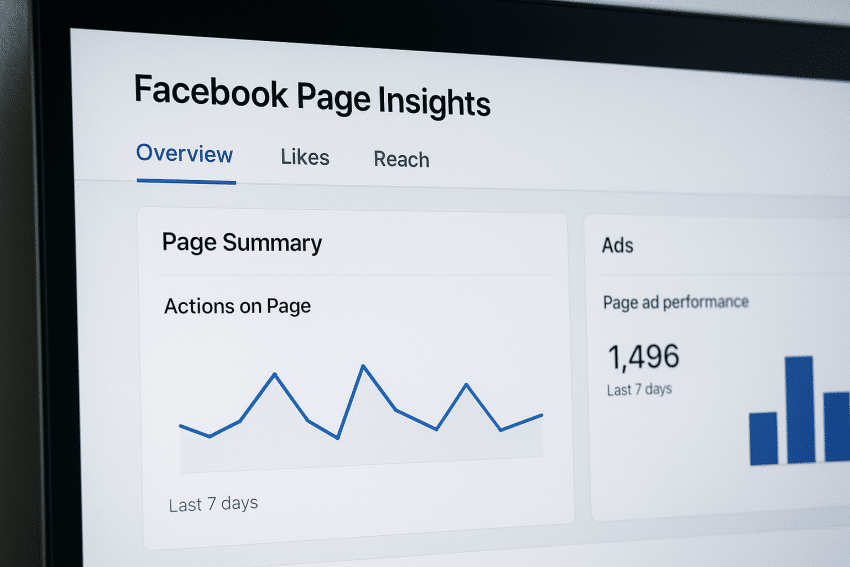
- Analytics & Audience Insights: Know who’s engaging with your posts: age, location, best times to publish, and more.
- Ad Campaigns: Run targeted ads to promote exhibitions, open studios, or new series.
- Professional Visibility: Your page can be tagged by galleries, art fairs, or media accounts, improving your exposure.
- Event Tools: Create and promote events like solo shows or artist talks.
- Legitimacy: Facebook terms don’t allow commercial use of personal profiles. A professional page keeps you compliant.
3. Setting Up a Page That Represents You
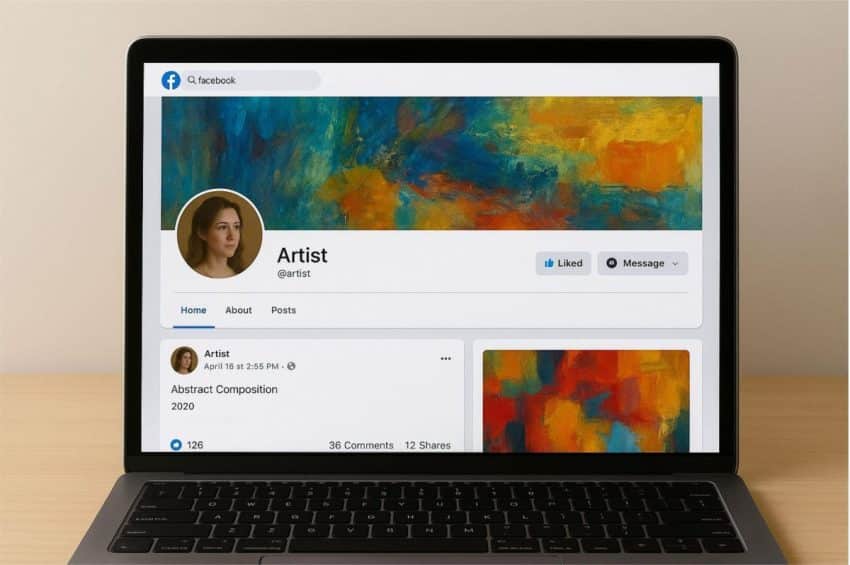
Page Type: Choose “Artist, Band or Public Figure” and then select “Artist” as your category.
Name: Keep it professional and consistent with your artist branding (e.g., Jane Doe Art or Sculpture by John Smith).
Profile Photo: A portrait or behind-the-scenes shot works well. Make sure it’s high-quality and recognizable.
Cover Image: Use a strong artwork or collage. You can update it seasonally to showcase current work.
Bio / About Section:
- Keep it short and clear (under 150 characters is best).
- Include your city, your medium or style, and a link to your website or portfolio.
Contact Info: Make sure people can reach you. Add an email, website, or even a direct message button.
4. Posting with Purpose
Facebook pages thrive when they offer value, not just announcements. Here’s what works in 2026:
- Behind-the-Scenes Content: Show your process, your studio, your materials.
- Storytelling: Share what inspired a piece or how it evolved.
- Video & Live: Facebook prioritizes video, especially native uploads and livestreams.
- Event Promotion: Announce upcoming shows, open studios, or art fairs.
- Newsletter Signups: Direct followers to your mailing list for exclusive previews.
Frequency: You don’t have to post daily. 1–2 thoughtful updates per week are enough if they’re engaging and consistent.
5. Keep It Clean, Professional, and Focused

Do:
- Reply to comments and messages.
- Use categories and albums to organize your work.
- Update your page regularly with new projects or achievements.
Don’t:
- Auto-play music or videos (especially on mobile!).
- Share other artists’ work unless it’s clearly a collaboration.
- Post erratically or only when you’re “selling” something.
Final Thought
Social media doesn’t replace your art; it supports it. A professional Facebook page helps people find your work, follow your journey, and feel more connected to you as an artist.
And if you’re looking for more ways to grow your visibility, show your work in real-life settings, and reach new audiences worldwide…
Explore Our Open Calls for Artists
AGI Fine Art connects artists with major art events around the world, including Artexpo in New York and Red Dot Miami during Miami Art Week. Submit your work, grow your audience, and take the next step in your career.
Get the next article and open calls
A few times a year. Unsubscribe anytime.
Questions? Feedback? Thoughts on this article, or a topic you’d like us to cover?