How to Clean and Protect Paintings: What You Need to Know
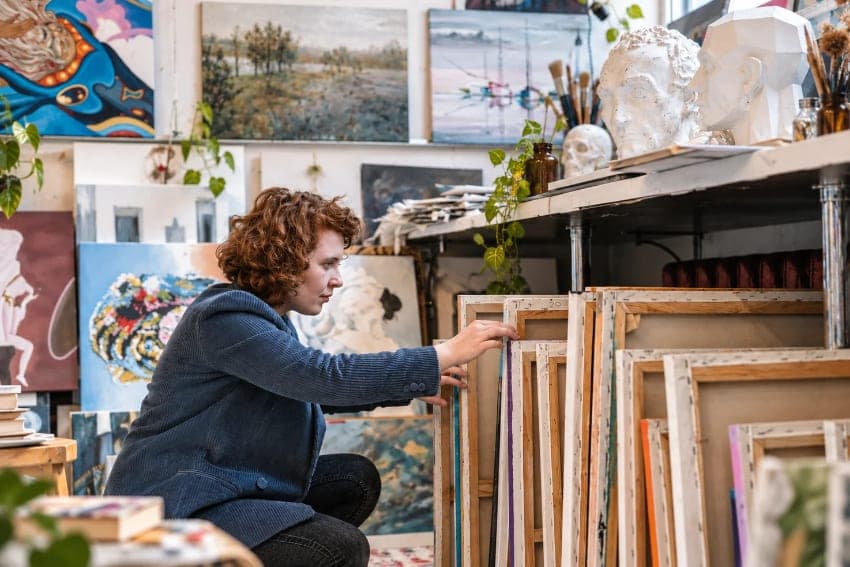
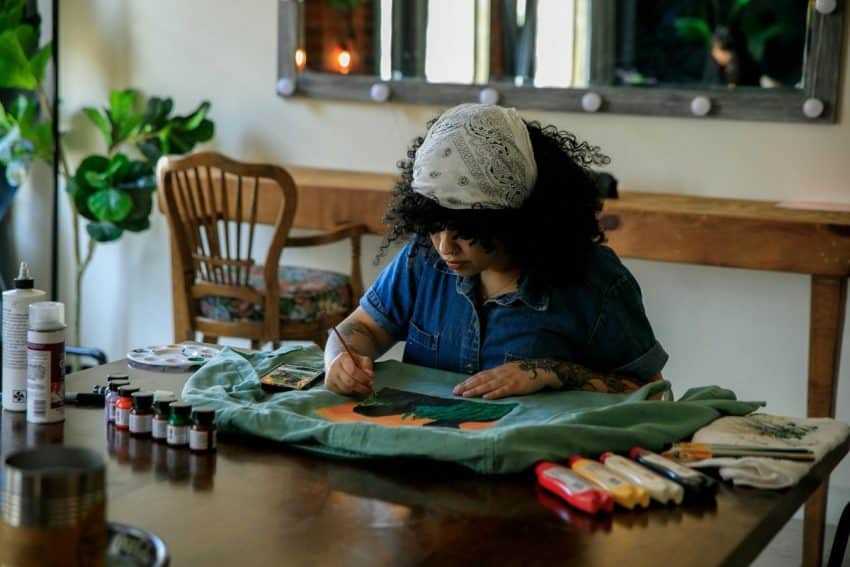
Spring is in the air, and we’re all thinking about cleaning. As you look around your artist’s studio or your home, you may find some paintings looking a little dusty or discolored. Or, you may be interested in taking preemptive measures, even if the work has no visible dirt or damage. In this article, we go over when to clean paintings, how to clean paintings, and how to protect your paintings from getting dirty in the first place. This guide can be used by artists or collectors.
Before Cleaning: Keeping Art from Getting Dirty
When maintaining your paintings, you should know what can cause dirt accumulation and damage. The most important part of cleaning paintings is preventative: it’s much easier to protect your artwork from dirt and damage than it is to clean it.
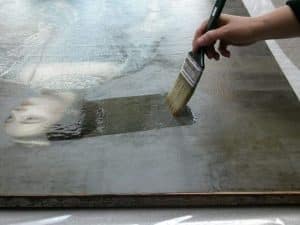
If you are the original artist of the work, you can (and often should) apply a coat of varnish to protect the painting from dust. When applying it, make sure there is no dust on the piece or in the air around your workspace – you don’t want to seal those particles onto your painting! In addition to protecting your art from dust, varnishing also reduces the roughness of the painting’s surface, increasing the color saturation.
Varnish layers aren’t right for every painting, and there are different types for acrylics and oil paintings. Just be careful and always read the instructions and label carefully to make sure you’re working with the right varnish and that you are applying it correctly.
Cleaning and Protecting Paintings: in the home/studio
Improper storage and display are common causes of artwork damage and soiling. Most paints are light-sensitive, so you should be wary of placing the work in front of a bright sun-facing window. Oil paintings are particularly susceptible to damage from extreme temperatures and humidity. Consider this if you are storing the work in a basement or attic: you may want to invest in a humidifier or dehumidifier for these spaces.
For particularly older or more fragile artwork, it may be beneficial to have the artwork framed with a glass protector – especially when hung in a dust-heavy area, like higher on a wall. Just be careful – protective glass cannot be placed on every painting. We’ve written an article already on having artwork framed or gallery wrapped, which should be read before you get started.
Did you know? Smoking near a painting can cause damage. Particularly for unvarnished paintings – soot and smoke damage can permanently change the tone of the piece. If you or your guests want to smoke, just go outside. It’s safer for you, your home, and your art.
Cleaning and Protecting Paintings: On the road
Improper packing can cause many types of damage to artwork – from superficial to tragically irreversible. There are countless factors to consider when packing your work: to roll the canvas, or ship it framed? To roll the work with the painted side facing in, or facing out? What packing materials should you use? What direction should the bubble wrap face?
Luckily, AGI: Agora Group International Fine Art has already covered these questions and more in our two guides:
- Shipping Artwork De-Mystified: How to Roll Canvases or Prints for Shipping
- How to Pack Your Paintings for Shipping
Cleaning and Protecting Paintings: over the years
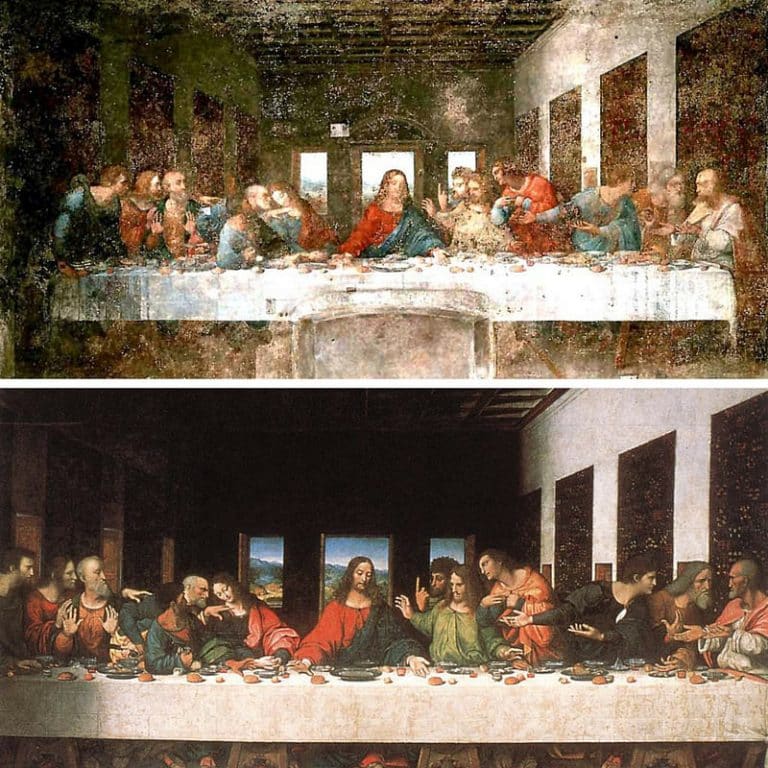
One of the most common ways for a painting to become damaged, dirty, or discolored, comes from everyone’s worst enemy: natural aging. There are measures that can be placed to limit the damage of natural aging, like using varnishes and storing the work properly. However, as the years go by, some natural damage will inevitably occur.
Symptoms of an aging artwork can include:
- Flaking paint
- Discoloration
- Cracks
- Warping
If you are noticing some of these signs of damage on your artwork, it is a good idea to bring it to a professional restorer.
If you like art as much as we do, and want to be updated with the latest info about Agora Gallery, our exhibitions, and our artists, don’t forget to sign up for our newsletter!
When to Clean Your Paintings
First and foremost, consider the value of the piece. If the work is a multi-million dollar Manet original, don’t risk the DIY-cleaning job. Go to a professional. And make sure that bad boy is insured!
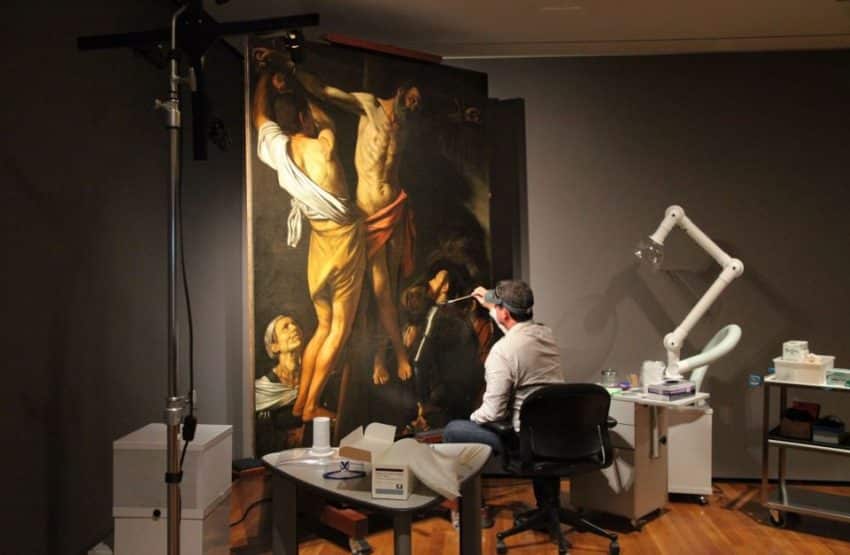
Next, if you’ve decided to clean the piece yourself, you need to identify the type of damaged or dirty your painting is. Is it dusty? Discolored? Aging? For most major signs of damage to your artwork, Agora Gallery recommends that you go to a professional. Particularly when it comes to age-related damage. We do not recommend attempting to clean or restore this damage on your own. Don’t just take it from us, The Smithsonian advises, “Cleaning requires the skills of paintings conservators who have years of formal training and practical experience. Permanent damage may easily result from even the most cautious attempts to clean a painting by an untrained person.”
For dust or visible particles accumulating on the surface of your work, you can do the simple cleaning yourself, and we offer a few methods below:
Do not use cleaning products
This should go without saying. Many chemical cleaning products are abrasive or have color-changing properties. At the very least, they’ll stain your painting. They can also wear away at the materials. Many cleaning products will damage your artwork permanently, so don’t chance the risk.
Do not use water, either
A painting is not the same as your kitchen floor and shouldn’t be cleaned by the same method. Water can change the dimension of the fabric of the painting. It may also wash out some of the additives in acrylic paint.
So… what can you use to clean a painting? We recommend 2 methods that are tried-and-true and have been used by the professionals for years.
Method 1: A soft, dry brush
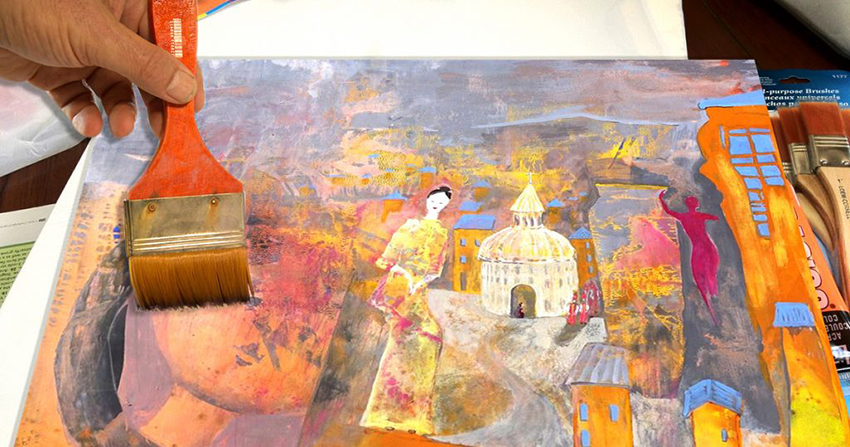
The simplest way to clean your painting is to dust it, lightly, with a soft, dry brush. Make sure there is no paint or moisture on the bristles before you take it to your artwork. Softly swipe away dust and accumulated soil off the artwork.
Method 2: Spit
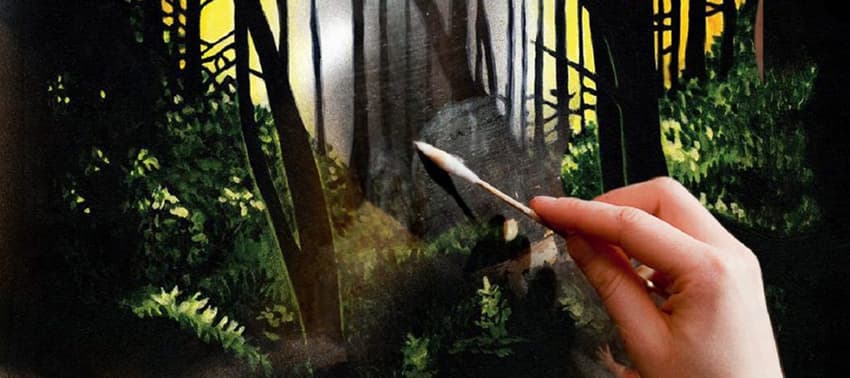
Some museums and historians use saliva to clean paintings. Saliva is not the same structure as water and is less likely to damage the artwork by reacting with or washing away the elements. If you plan on using this method, don’t just hock a loogie onto the painting. Instead, you’ll want to moisten a q-tip or cotton swab with saliva and lightly swipe the surface of the painting.
Notes on this method:
- Do not eat or drink (other than water) for at least 30 minutes before doing this method. These can mess with your internal chemistry and affect whether or not your saliva will damage the artwork!
- Test the method on one corner of the piece before applying to the rest. You will be able to see the effect and determine whether it’s helping your specific painting or hurting. Now would be a good time to determine whether you’d like to invest the time into this method – it can be very time-consuming and you’ll need to see the cleaning through.
- Use a soft material, like cotton q-tips, to apply the saliva. Anything rougher, like cloths, can be abrasive and scratch the work. Sponges can also end up absorbing some of the natural oils and chemicals from the painting.
Some websites will recommend that you use certain food items to absorb the dirt from the surface of a painting. From raw potatoes to white bread, it seems like you can substitute any lunch product for some artwork maintenance.
While Agora Gallery has never tested this method, we do not recommend it. Based on research, the results of food-based painting cleanings tends to leave crumbs and residue on the artwork. Galleries and museums do not use this method and, unless you are willing to risk the quality of the piece, we do not recommend you do either.
If you haven’t had enough cleaning yet this spring, check out our article Spring Cleaning for Artists in which we take a look at the mental ways to clean up and prepare for a new season of creation and growth!
Looking to develop your artistic career and build a presence in New York City and worldwide? Book an online career development consultation meeting today.
You may also like Going Green: Environmentally Friendly Practices for Artists. See what materials you can use and how to preserve and recycle in order to show your appreciation for our planet!
Get the next article and open calls
A few times a year. Unsubscribe anytime.
Questions? Feedback? Thoughts on this article, or a topic you’d like us to cover?