Tips and guides from our staff and fellow artists on business & sales.
Online Art Classes: 4 Key-Advantages
Online learning is often heralded for its convenience. Ranging from a one-off to a multi-part series, online classes are ubiquitous and accessible.
Read More →
How To Promote Your Art with Video Marketing
Learn how to present the audience with information while still not taking away too much of their precious time through video content.
Read More →
SEO Tips to Boost Traffic to Your Art’s Website
Our tips will help you stay up to date with the latest SEO trends and increase traffic to your website.
Read More →
Learning from Art History: Art Competitions
From ancient Florence to the Berlin Olympics, art competitions have made a big mark on our culture and history, but what lessons have they taught us?
Read More →
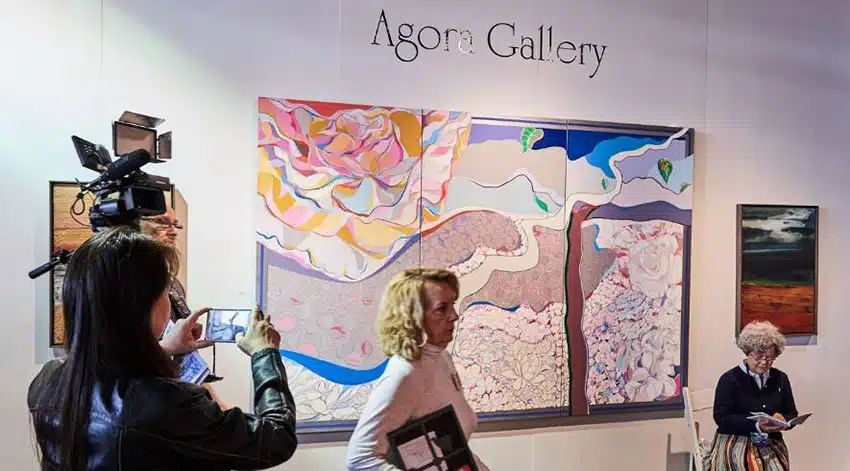
Planning A Marketing Strategy For Artists
Here are the basics that you will need to know when putting together a marketing plan for yourself.
Read More →
Famous Art Collaborations
Art collaborations simply cannot be a bad idea!
Read More →
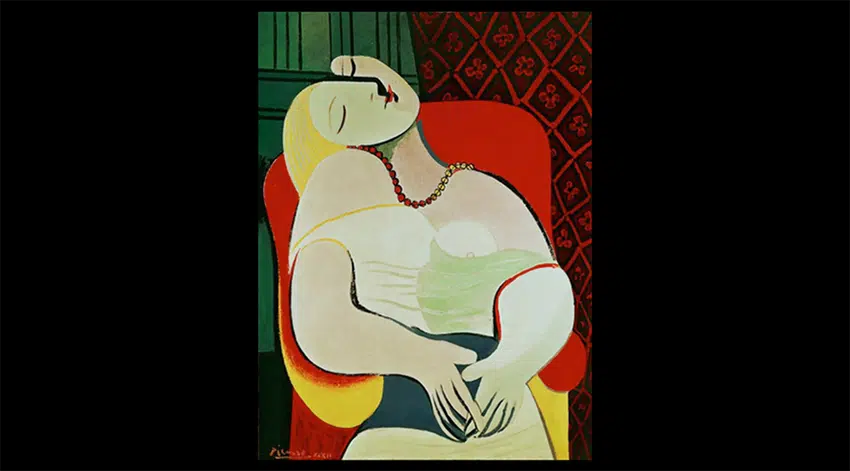
7 Masterpieces Rejected By Art Critics
Despite severe criticism, these famous artists continued to move forward and pursue their art with the same passion. Get inspired by their stories!
Read More →
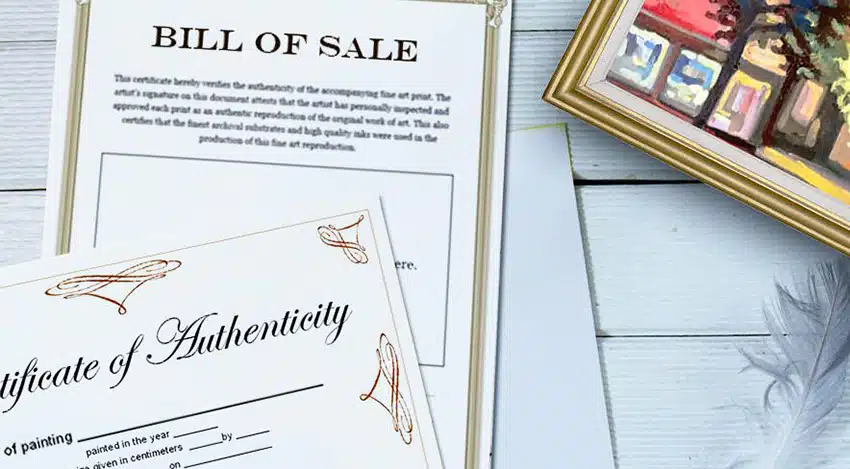
How to Document the Sale of Your Artwork
Separate yourself as a professional artist by including these important documents with your artwork.
Read More →
How to make a good artist business card
Make a good impression with a well-designed artist business card.
Read More →
The Art Of Buying Art
What art should you be buying? Where can you buy it? How do you buy art? We put together this guide for anyone just starting out as an art collector
Read More →
Remarketing Your Art: How to Turn Buyers into Collectors
Have you ever considered an art sale to be a marketing opportunity? A customer is the best “lead” you can ask for, so how can you encourage returning sales?
Read More →
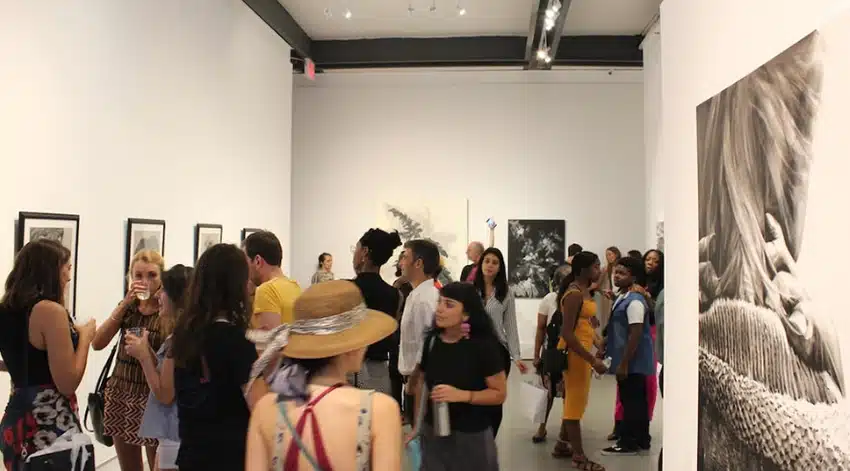
Promoting Your Art: Why Context is Important
In promoting your work, you always need to consider your context. Knowing your audience and understanding the “feel” of a room can make all the difference.