Protecting Your Art: Understanding Copyrights
An updated guide for artists navigating the digital art world
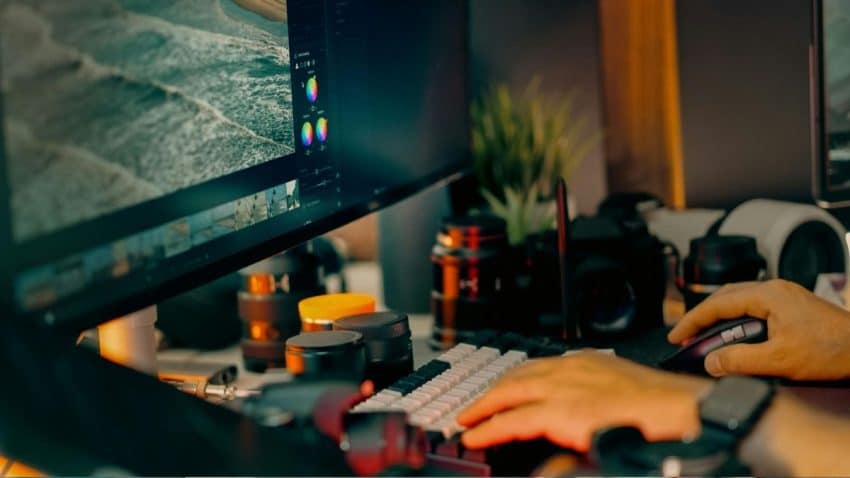
For today’s art world, the internet still feels a bit like a frontier: full of opportunity, visibility, and connection, but also a place where artists need to stay alert.
With a few clicks, you can share your work globally, connect with collectors, apply to exhibitions, and grow your career far beyond geographical boundaries. At the same time, this exposure makes artists more vulnerable to unauthorized use, misattribution, and copyright infringement.
Your art is not only an emotional and creative investment. It is also your intellectual property, and protecting it should be part of your professional practice as an artist.
This guide breaks down what copyright means, why it matters, and how you can protect your work both online and offline.
Why Copyright Matters for Artists
Copyright infringement is one of the most common concerns artists face today, and for good reason.
When you create an artwork, you invest time, skill, resources, and personal vision. That work belongs to you. Copyright exists to protect that ownership and to give you legal rights over how your work is used, reproduced, and distributed.
Did you know?
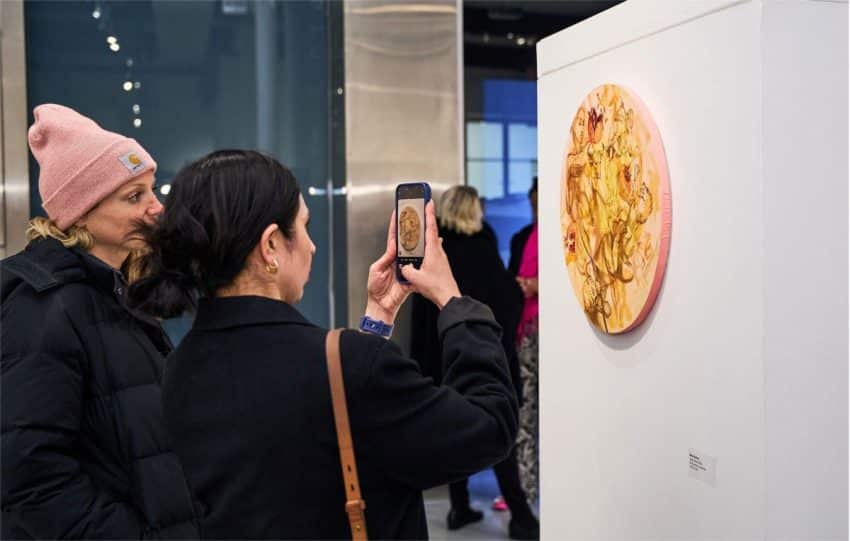
If someone photographs your artwork and publishes it online without your permission or proper credit, it may qualify as copyright infringement.
What Is Copyright, in Simple Terms?
Copyright is a legal protection that applies to original works of authorship fixed in a tangible form, meaning the artwork exists physically or digitally, not just as an idea.
In practical terms:
- Your work is protected by copyright as soon as it is created.
- Registration is not required for copyright to exist.
- However, registered works are far easier to defend legally.
If you ever need to prove ownership, the key question becomes: Can you demonstrate clearly that you are the creator of this work?
Practical Steps to Protect Your Art
1. Always Sign Your Work
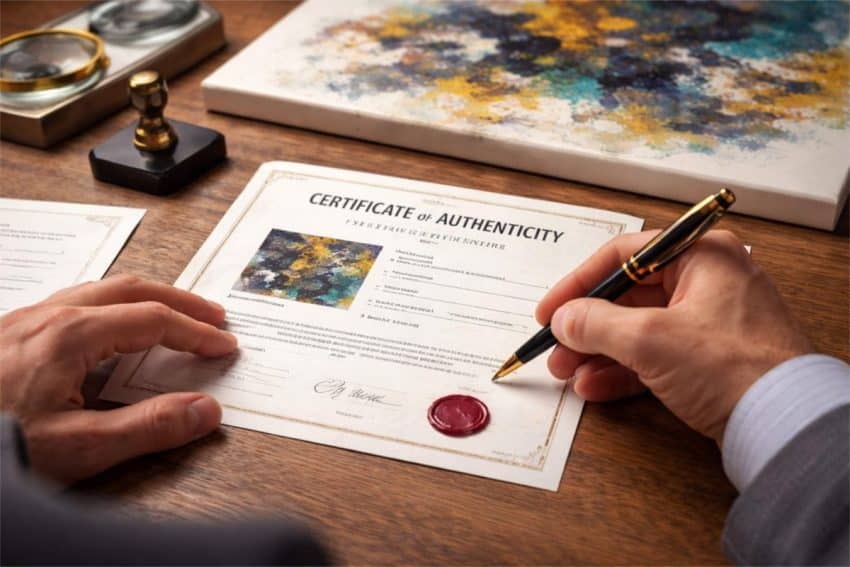
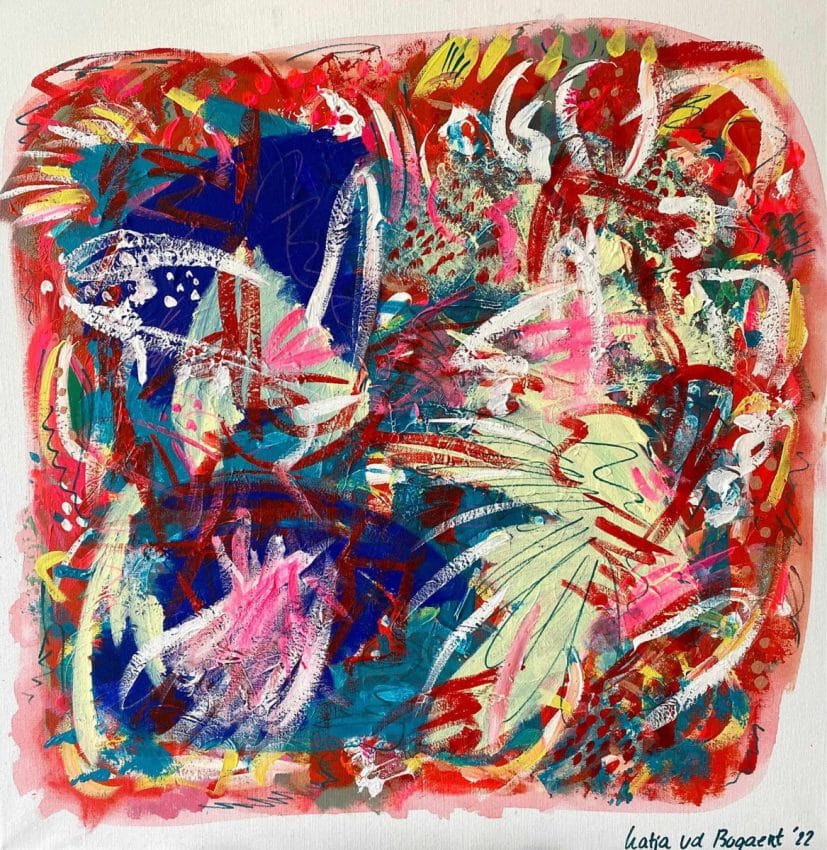
Make it a habit to sign your artwork once it’s completed, ideally including the year of creation.
You can:
- sign discreetly in a corner,
- integrate your signature into the composition,
- or sign the back of the artwork.
This simple step strengthens attribution and authorship.
2. Register Your Artwork When Possible
While copyright exists automatically, official registration provides stronger legal protection.
For artists based in the United States, registration through the United States Copyright Office offers important advantages, including:
- documented proof of ownership,
- eligibility for higher statutory damages in infringement cases.
Artists outside the U.S. should always review their local copyright regulations, as procedures and protections may vary slightly by country.
3. Keep Detailed Digital Records
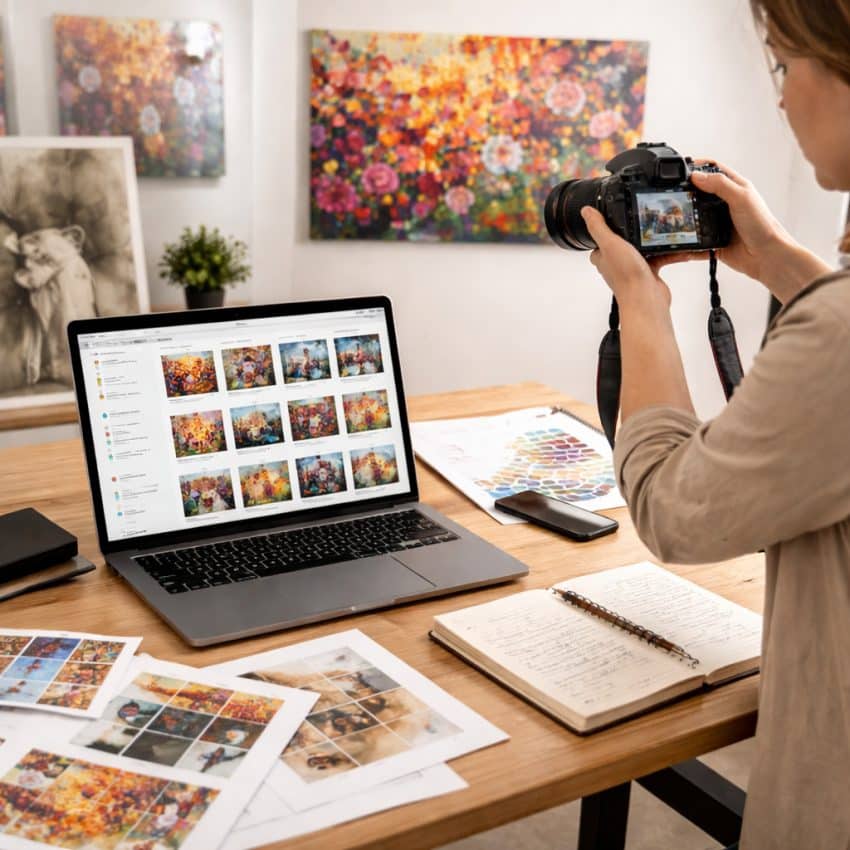
Maintaining a digital archive of your work is essential.
Best practices include:
- high-quality photographs of each artwork,
- saved metadata (creation dates, file history),
- drafts, sketches, or progress images where applicable.
These records can be invaluable if ownership is ever disputed.
Understanding Your Risk Level
Not all artworks face the same risk of infringement.
- Highly abstract or conceptual works are generally harder to replicate.
- Figurative, illustrative, character-based, or iconic imagery is more likely to be reused without permission.
If your work has strong visual identifiers or commercial appeal, protecting it becomes even more important.
Protecting Your Art Online
Sharing your work online is often essential for visibility, but it should be done strategically.
1. Use Web-Optimized Images
Upload smaller, lower-resolution images to your website and platforms.
Always keep your high-resolution files stored separately and securely.
2. Add Watermarks Thoughtfully
Watermarks remain one of the most effective deterrents.
A good watermark includes:
- your name or brand,
- the © symbol,
- the year of creation.
Place it where it cannot be easily cropped out, without fully compromising the viewing experience.
Copyright and Social Media: What Artists Should Know
Once your work is shared on social platforms, control becomes more limited, but not nonexistent.
1. Read Platform Terms Carefully
Each platform has its own terms regarding image use, licensing, and reposting. Understanding these rules helps you make informed decisions about where and how you share your work.
2. Always Credit Yourself Clearly
Include your name and copyright notice directly on the image or in the caption. This strengthens your position in case of misuse and helps establish intent and ownership.
A Professional Mindset for Artists
Copyright is not just a legal concept; it’s a professional tool.
Artists today are creators and business owners. Understanding your rights empowers you to:
- protect your work,
- negotiate more confidently,
- and avoid costly mistakes.
When in doubt, seeking expert advice early can save time, stress, and resources later.

Next Steps: Opportunities and Guidance
If you’re actively building your artistic career, we encourage you to:
- Explore the open calls currently available through AGI; each opportunity is carefully reviewed and transparently structured.
- Ask for professional guidance if you have doubts about copyright, usage rights, or contracts before committing to any agreement.
A short consultation can often clarify complex situations and help you move forward with confidence.
Get the next article and open calls
A few times a year. Unsubscribe anytime.
Questions? Feedback? Thoughts on this article, or a topic you’d like us to cover?