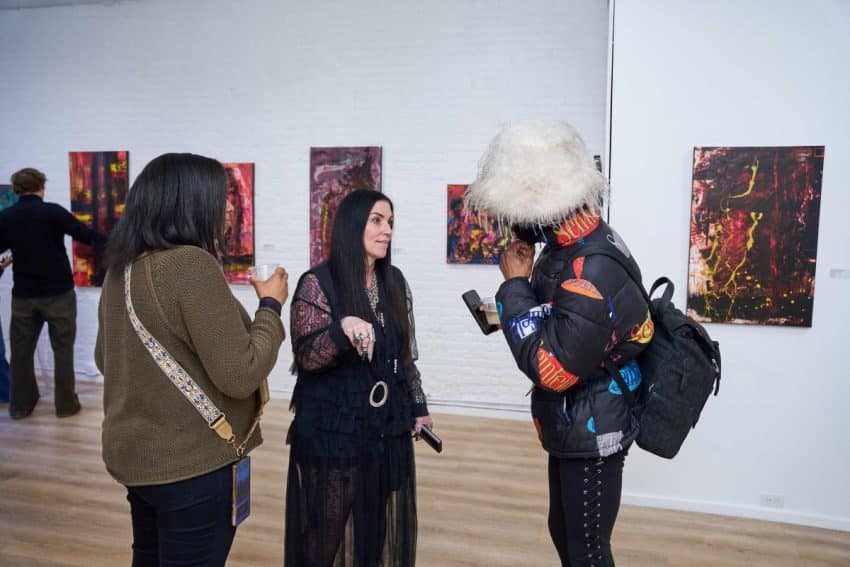
In today’s art world, visibility doesn’t happen in just one way.
While traditional galleries and art fairs remain essential, pop-up exhibitions have become an increasingly powerful format — not just as a temporary solution, but as a strategic choice.
For artists, they offer something unique: speed, flexibility, and direct connection with an audience.
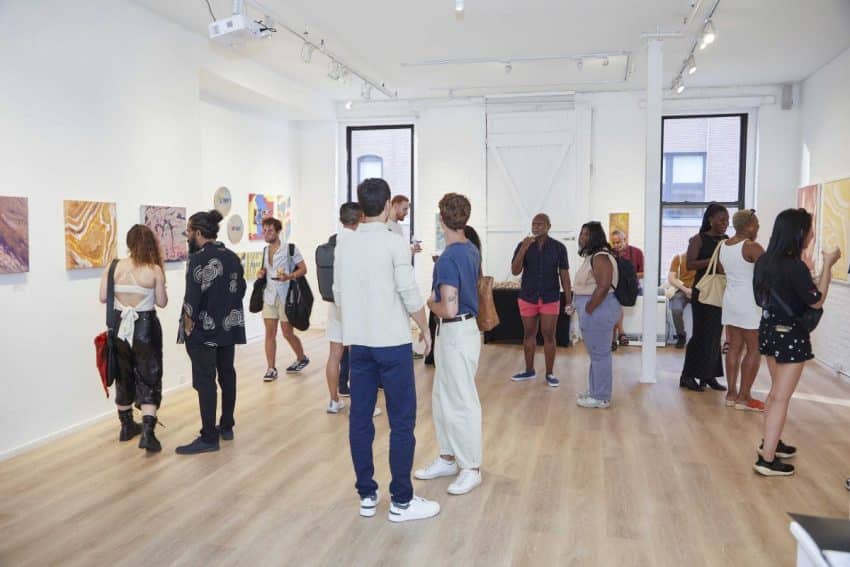
A pop-up exhibition is, by definition, temporary — but that doesn’t mean it’s informal or less valuable.
Today, pop-ups are often:
They can take place in galleries, creative venues, retail spaces, or hybrid environments.
What matters is not the duration — but the intensity of the experience.
Pop-ups originally emerged as a response to practical limitations — rising rents, limited space, and the need for flexibility.
But today, they’ve evolved.
They are now used to:
In many cases, they allow for more experimentation and freedom than traditional exhibitions.
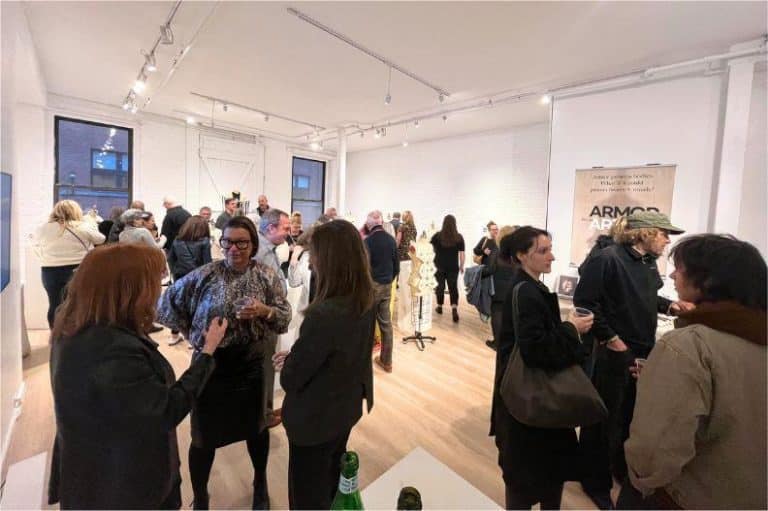
A recent example is the pop-up exhibition by artist Alicia Jean McIntosh, hosted at The Loft — a creative space in the heart of Chelsea, New York.
In just one day, the exhibition created:
This is the strength of a pop-up: it doesn’t try to do everything — it creates a moment that people remember.
Experiences like this are not isolated.
At certain moments throughout the year, we also make available a limited number of dates for artists who wish to develop their own pop-up exhibitions in Chelsea, within a professional and curated environment.
This format is particularly suited for artists with a clear body of work and a defined concept.
Pop-up exhibitions can play different roles depending on where you are in your journey.
They can be used to:
They are not a replacement for galleries or fairs — they are a complementary step within a broader strategy.
Pop-ups often sit in between two major formats:
In some ways, they combine elements of both:
And for artists, they can become a bridge — a way to move from one context to another.
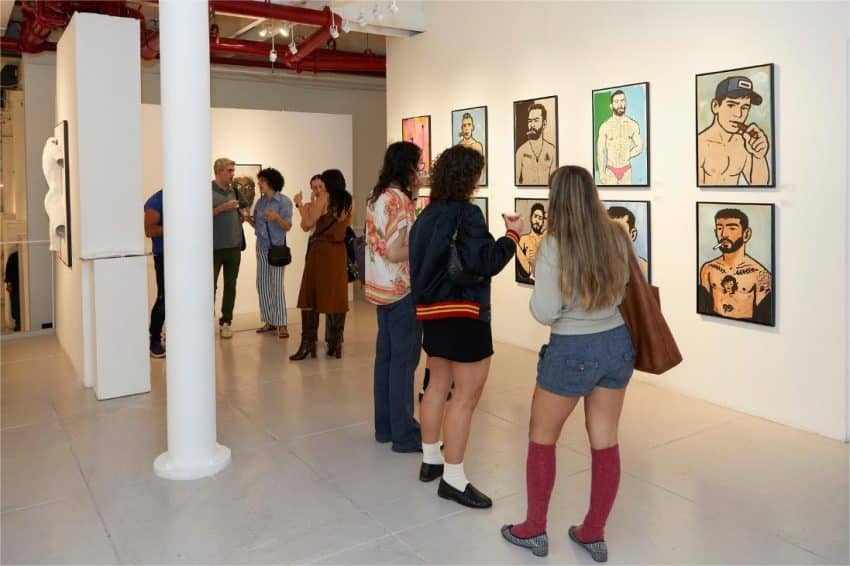
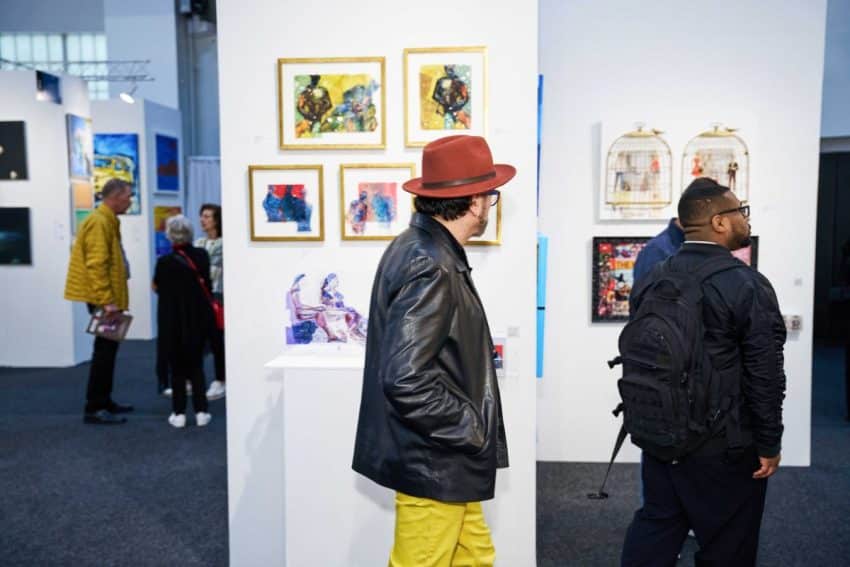
A successful pop-up is never accidental.
It requires:
Some key elements include:
Because in a short timeframe, everything needs to work together.
In an art world that moves quickly and globally, pop-ups offer something essential: they allow artists to stay visible, active, and present.
They create opportunities where traditional structures might be slower or more selective.
And most importantly, they remind us that art doesn’t only live in permanent spaces —
it lives in moments, encounters, and experiences.
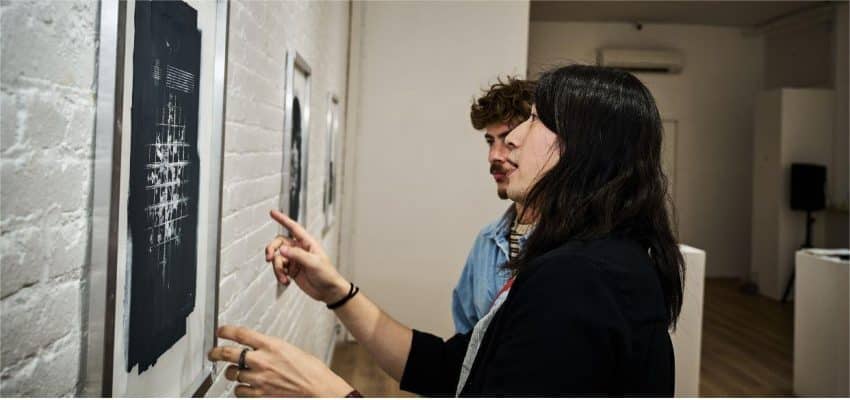
Whether you’re exploring new ways to present your work or looking to expand your visibility beyond your current context, pop-up exhibitions can be part of that evolution.
At AGI Fine Art, we work with artists across different formats — from gallery exhibitions to art fairs and curated projects — helping them find the right context for their work.
Explore our current opportunities to see how your work might fit into upcoming exhibitions and projects.
Questions? Feedback? Thoughts on this article, or a topic you’d like us to cover?


