Is AI Generated Art Really Art?
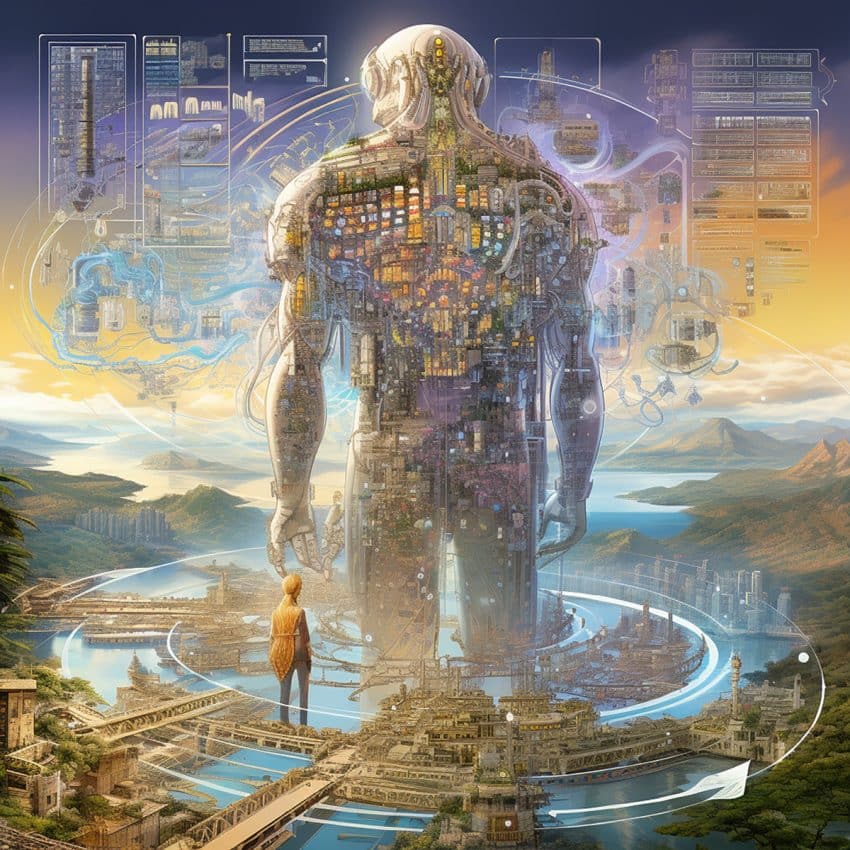
Should you use AI to help you create your art?
In recent years, artificial intelligence has moved from code to canvas. Whether through generative models, neural style transfers, or AI-driven prompts, artists around the world are experimenting with machine learning as both muse and medium. But with this innovation comes debate. Is AI-generated art really art? Should artists embrace these tools, or resist them to preserve authenticity?
At AGI Fine Art, we work closely with emerging and established artists navigating this new terrain. We do not believe there is one right answer. Instead, we invite reflection, experimentation, and above all, intentionality. This article is a guide for artists grappling with the role of AI in their creative practice.
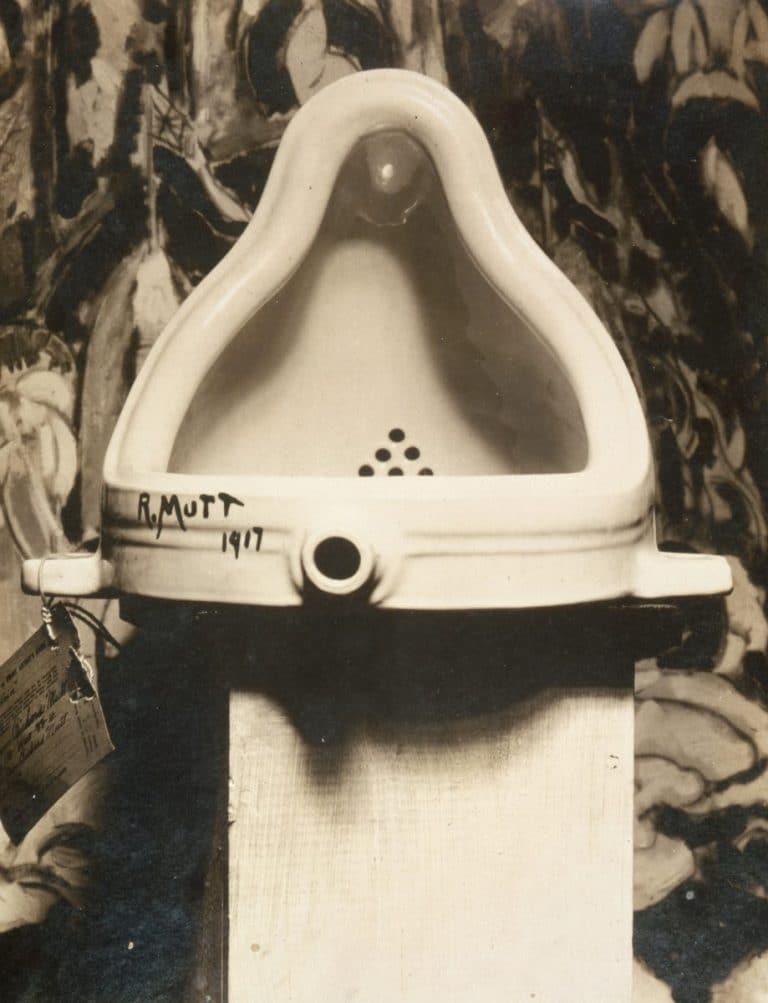
Fountain (1917) by Alfred Stieglitz
The Historical Backdrop: Technology and Artistic Resistance
Every major innovation in art history has faced resistance. When photography was introduced in the 19th century, painters feared obsolescence. When Duchamp displayed a urinal in 1917, critics decried it as the death of artistry. When digital painting gained traction, it was dismissed as mechanical.
AI-generated art is the latest entry in this lineage. And like those before it, it challenges our assumptions, not only about art, but about effort, creativity, and authorship.
AI as Tool, Not Threat
Let’s begin with a basic truth: AI is a tool. It is neither inherently artistic nor anti-artistic. The value lies in how it is used.
Artists using AI today are not necessarily seeking shortcuts. Many spend hours on prompt engineering, adjusting model parameters, iterating outputs, refining aesthetics, and injecting their own sensibility into the results. Like a camera or brush, AI can be a way to capture, reimagine, and construct meaning.
In this light, the question “Should I use AI to help me create my art?” becomes: “How can I use AI to support and not replace my artistic intent?”
Hard Work and the Myth of Effortlessness
One of the most frequent criticisms of AI-generated work is the perceived lack of effort. If a machine produces the image, what has the artist actually done?
This brings us to an important nuance. Hard work is not monolithic. There is physical labor: brushstrokes, sculpture, hours in the studio. But there is also cognitive labor: conceptual clarity, research, design, composition. Artists like Sequoia, who have used AI extensively, aren’t simply “typing a prompt.” They are refining a process, evaluating outputs with a critical eye, and making aesthetic decisions.
Imagine an artist with an unlimited budget who hires set designers, models, stylists, lighting technicians, and then captures a single photograph. Do we question their authorship? Of course not. The same logic can apply to AI-assisted practices.
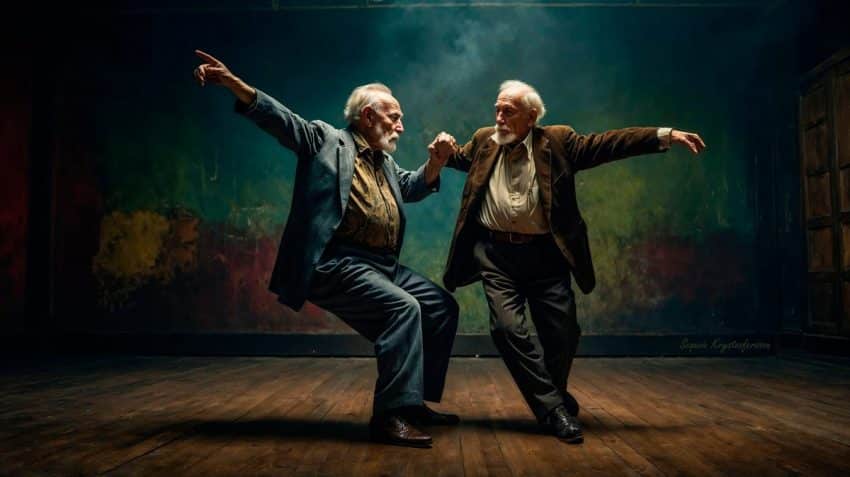
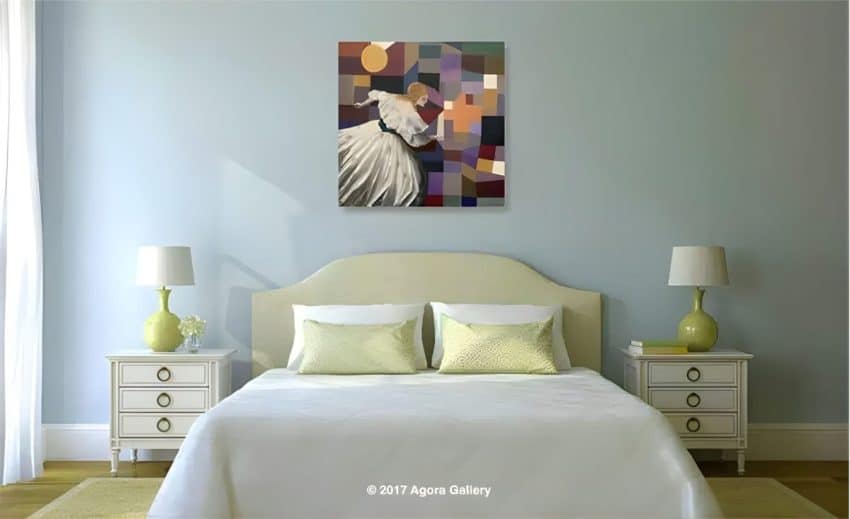
Rebels In The Spotlight, 2024, AI-generated photography, digital print on archival paper
15.5″ x 27.5″
Is AI Art Really Art? Let’s Talk Authorship
This question touches the core of artistic identity. Who owns the creation when a machine is involved? What role does originality play?
At AGI, we believe authorship comes down to intent. If the artist is shaping the process, curating the data, crafting the prompts, and directing the final outcome, then authorship is preserved. The machine becomes an extension of the creative process, not the originator.
AI-generated art challenges traditional metrics of authorship, but so did conceptual art. So did collaborative murals. So does every group exhibition.
The truth is: artists have always borrowed, collaborated, and adapted. AI simply makes that collaboration more complex.
Should You Use AI? Some Practical Considerations
Here are a few questions to help you decide if AI should be part of your creative practice:
- Does AI expand your vision? If you find that AI opens doors, triggers new ideas, or helps overcome creative blocks, it may be worth exploring.
- Do you understand the ethics? Using AI tools trained on copyrighted or uncredited works raises serious ethical concerns. Choose platforms that disclose their training data and offer rights management.
- Are you prepared to explain your process? Especially in juried competitions or gallery shows, transparency about your use of AI can build trust and elevate your narrative.
- Does it align with your message? If your work centers on themes of technology, identity, or transformation, AI can become a meaningful metaphor within your art.
- Are you ready to defend your choices? Not everyone will embrace AI-assisted art. Be prepared to articulate your position thoughtfully.
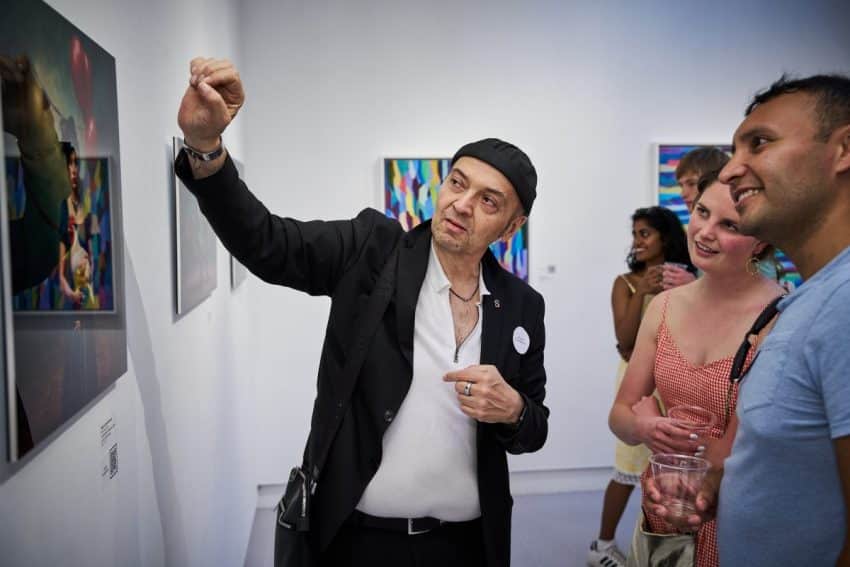
New Definitions, New Opportunities
AI is not an endpoint. It is a starting point. Artists are using these tools to generate unexpected forms, question authorship, simulate memory, critique surveillance, or explore the uncanny.
Rather than ask “Is this cheating?” we might ask: “What is this revealing?”
Art is not always about labor. Sometimes, it’s about insight.
Responsible Innovation: Where We Go From Here
The path forward requires transparency and accountability. Artists should credit their tools, acknowledge the collaborative nature of AI, and engage with the discourse around authorship and appropriation.
AI can generate images. But only humans can generate meaning.
As more artists embrace these tools, the community must define standards, not just aesthetics. This is where collectives, curators, and institutions can lead by example.
Open Questions for the Future
- Will galleries begin separating AI-assisted work from traditional media?
- How will collectors evaluate value in AI-generated pieces?
- Should AI be integrated into art education?
We don’t have all the answers. But we believe the questions are worth asking.
Drop a comment below and let us know what you think.
AGI Fine Art: Supporting Innovation in Practice
At AGI Fine Art, we support artists who are navigating new frontiers. We do not believe that one medium is superior to another. We value voice, vision, and impact.
Whether you’re a digital pioneer or exploring AI for the first time, we invite you to share your work with us. Our open call for artists offers emerging creators the chance to showcase bold, thoughtful, and boundary-pushing art to a global audience.
We believe the future of art will be hybrid, human, and unpredictable. And that’s a good thing.
Let the experimentation begin.
Get the next article and open calls
A few times a year. Unsubscribe anytime.
Questions? Feedback? Thoughts on this article, or a topic you’d like us to cover?