How We Work with Artists
A conversation about growth, readiness, and what happens next
Working with an artist is never just about selecting a few artworks and placing them in a space.
At AGI Fine Art, it usually starts with a conversation (sometimes explicit, sometimes silent) around one simple question:
Is this artist ready for the next step?
Because that’s what we’re really looking for: a moment of alignment between the work, the mindset, and the opportunity.
It Starts with Looking: Really Looking
When we review an artist’s work, we’re not just looking at individual pieces.
We’re asking:
- Is there a direction here?
- Is there consistency, even within exploration?
- Does this feel like a practice, not just a collection of works?
Sometimes the answer is yes immediately.
Sometimes it’s almost there.
And sometimes, the most valuable thing we can offer is perspective, because artists spend so much time inside their studios that it’s easy to lose sight of how the work is actually perceived from the outside.
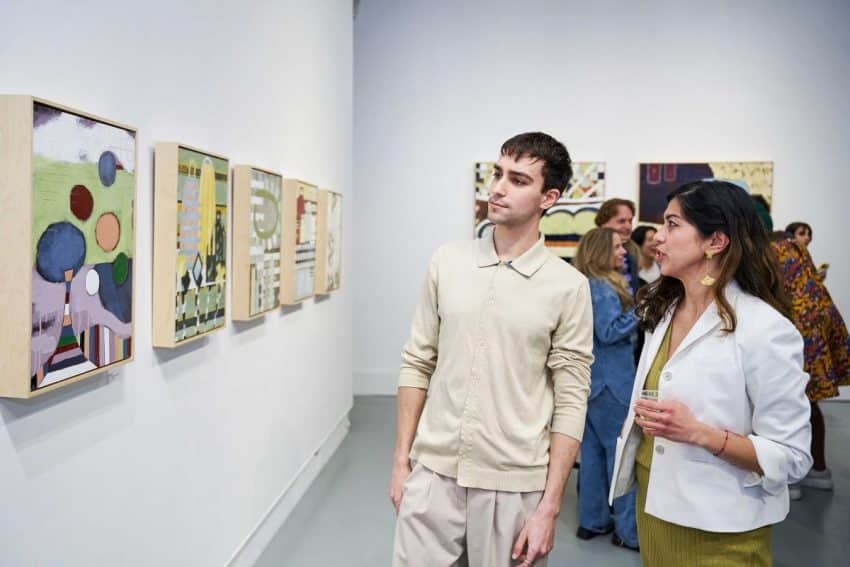
Where Does This Work Belong?
Not every artwork needs the same stage.
Some works need the quiet, focused environment of a gallery.
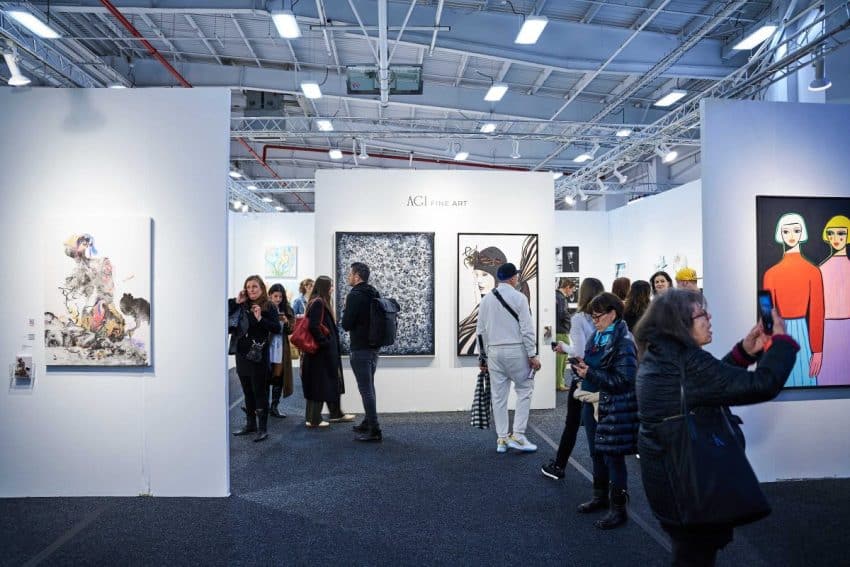
Others are ready for the faster, more dynamic energy of an art fair.
Part of what we do is help understand where the work makes the most sense.
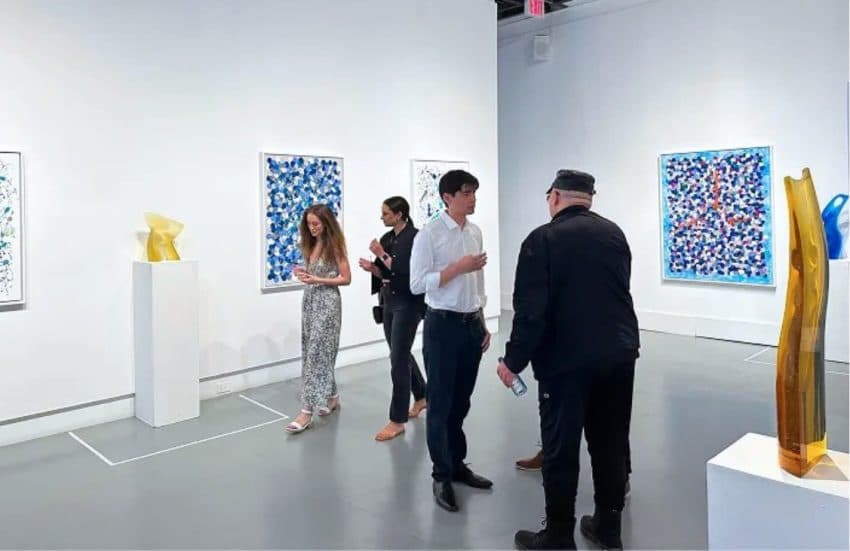
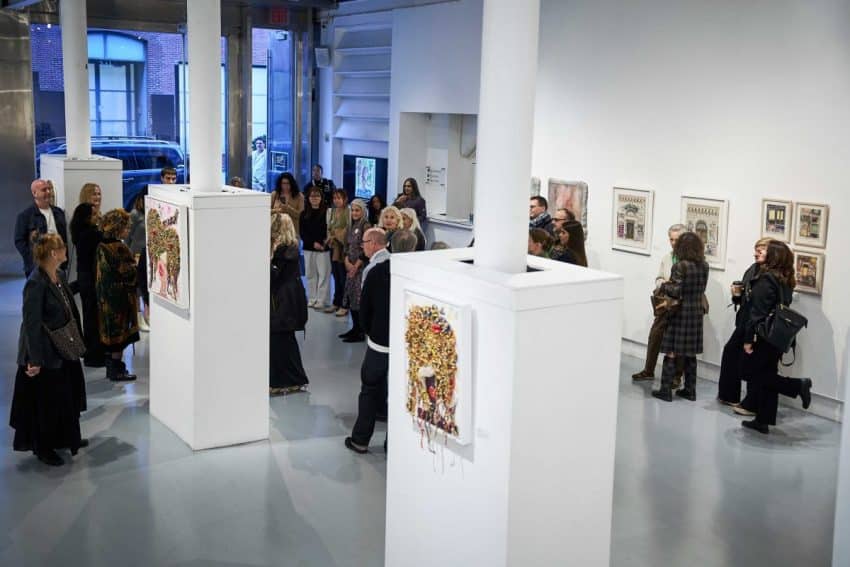
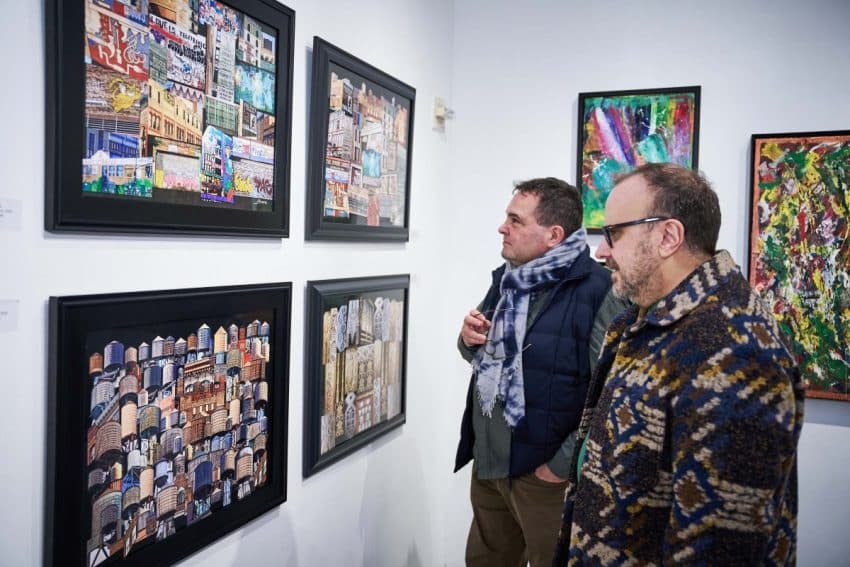
For gallery exhibitions, this often means working within the curatorial framework of Agora Gallery in New York: a space where works are placed in dialogue with each other, and where context matters as much as the individual piece.
For art fairs, the question shifts slightly:
- Does the work communicate clearly?
- Does it hold attention?
- Can it stand in a more immediate, international environment?
It’s never just about being “good.”
It’s about being in the right place.
The Small Things That Make a Big Difference
This is something we talk about often.
Artists are deeply connected to their work, but sometimes that closeness makes certain details invisible.
We might ask:
- Should the canvas be finished differently?
- Does the work need a frame?
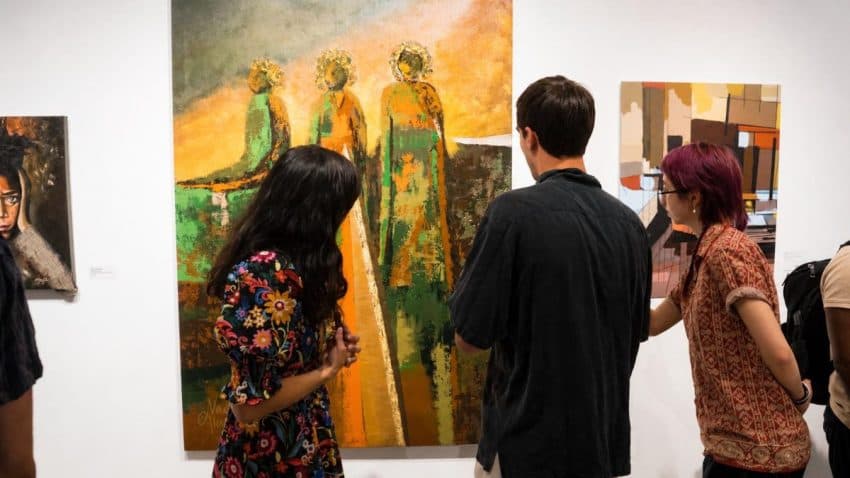
- Does it feel complete when seen on a wall, not in a studio?
These are small refinements, but they change how the work is experienced.
And in a gallery or fair setting, those details matter more than most people expect.
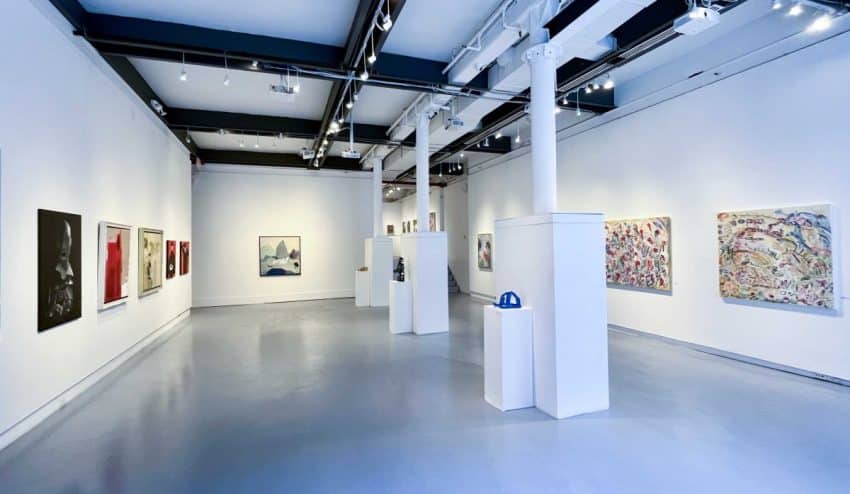
Preparing for the Moment
Once a work is selected, something shifts.
The work is no longer just yours; it’s entering a public context.
That comes with practical steps:
- planning the installation
- thinking about how the work will be presented
- understanding how it will be seen
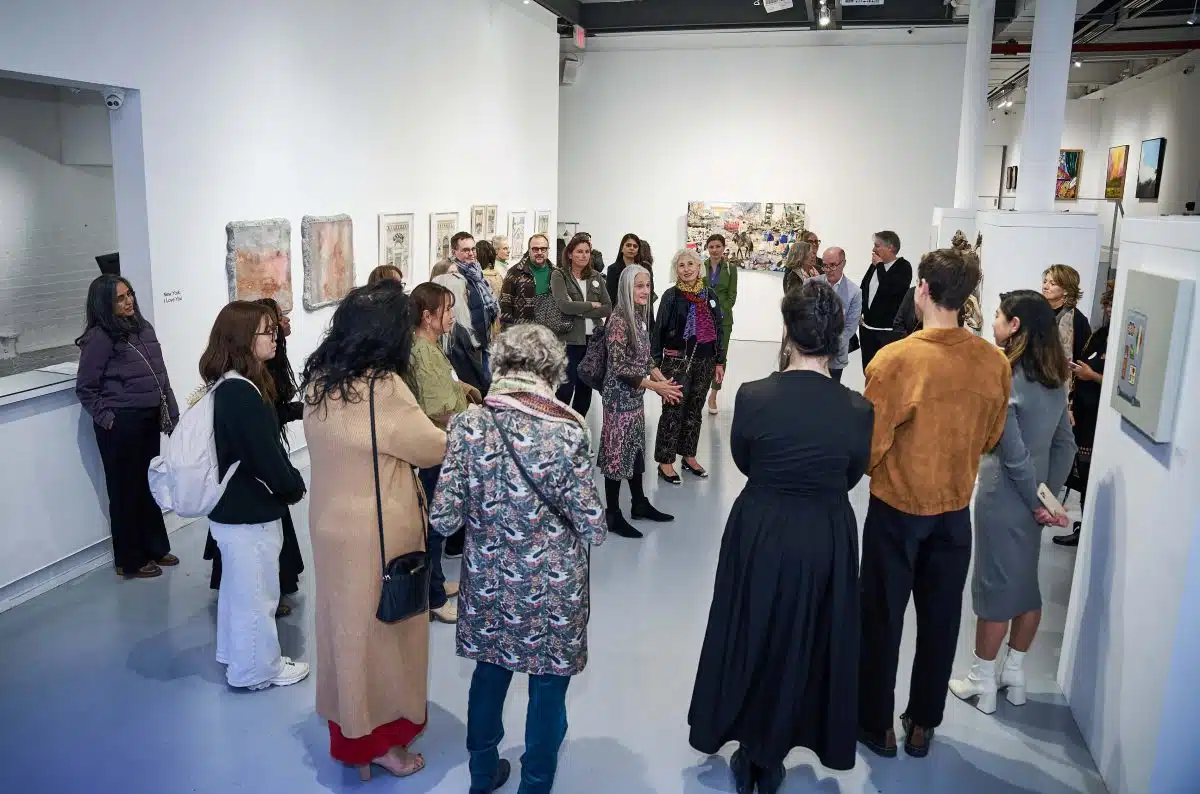
A gallery exhibition tells a story.
An art fair creates an encounter.
We prepare artists for both, not just logistically, but mentally.
What Happens After
One of the most common misconceptions is that everything happens in the exhibition itself.
In reality, that’s just one moment.
What matters just as much is:
- what comes after
- who saw the work
- what conversations started
We don’t see this as a one-time interaction.
The goal is continuity: building something over time, step by step.
A Shared Commitment
Working together also means something on both sides.
We look for artists who:
- take their practice seriously
- are open to feedback
- understand that growth involves adjustment
This is not about changing who you are as an artist.
It’s about refining how your work exists in the world.
Why This Matters
There are many opportunities out there.
But not all of them create real movement.
What makes the difference is:
- context
- care
- and alignment
Our role is not just to help artists be seen;
but to help them be seen in the right way, in the right place, at the right time.
If This Resonates
If you recognize yourself in this approach,
if you feel your work is evolving, and you’re starting to ask “what’s next?”
We invite you to explore our current open calls.
Not as a step to take lightly,
but as a way to understand where your work might go next.
Get the next article and open calls
A few times a year. Unsubscribe anytime.
Questions? Feedback? Thoughts on this article, or a topic you’d like us to cover?